President Trump looked at the midterm losses, heard the calls for a cabinet scalp, and kept Pete Hegseth. That was the right call. The Washington habit after a bad election is always the same: pick a visible official, declare him the problem, and hope the gesture passes for accountability. It is usually theater. If Hegseth has performed well, as Trump says he has, firing him would have advertised panic to allies and adversaries alike.
The diagnosis of the defeat is harder to spin, and Trump and JD Vance deserve credit for not trying. Both have said the war with Iran moved gasoline prices, and gasoline prices moved the election. That is an autopsy, not a talking point. Voters do not experience grand strategy. They experience the number on the pump. When a foreign conflict raises that number, the party in power pays — whether the conflict was necessary or not. Republicans who talk as if pocketbook pain is beneath serious discussion are rehearsing the next surprise.
The wrong lesson is that the political cost requires a retreat, or a new face at the Pentagon for the cameras. American interests in open shipping lanes, secure energy routes, and a Middle East not run by a hostile regime do not expire because an election was lost. Those interests have a domestic price. The test is whether the administration is driving that price down by forcing a conclusion, or letting the war linger while markets and adversaries do the damage. Trump’s claim that Hegseth has performed well is either true or it is not. If it is true, the job now is an endgame Americans can feel in their fuel budgets. A war that looks competent in briefings and expensive at the station is not competent enough.
Trump’s line about working with the incoming Democratic majorities should be read next to the sentence that followed: he still holds the veto. The opposition did not win a mandate to set Iranian policy. It won, in significant part, because families felt this war at the pump. Democrats will have every incentive to investigate, constrain, and slow anything that resembles success. A veto can stop the worst bills. It cannot lower the price of regular unleaded, and it cannot substitute for a result the public is willing to keep funding.
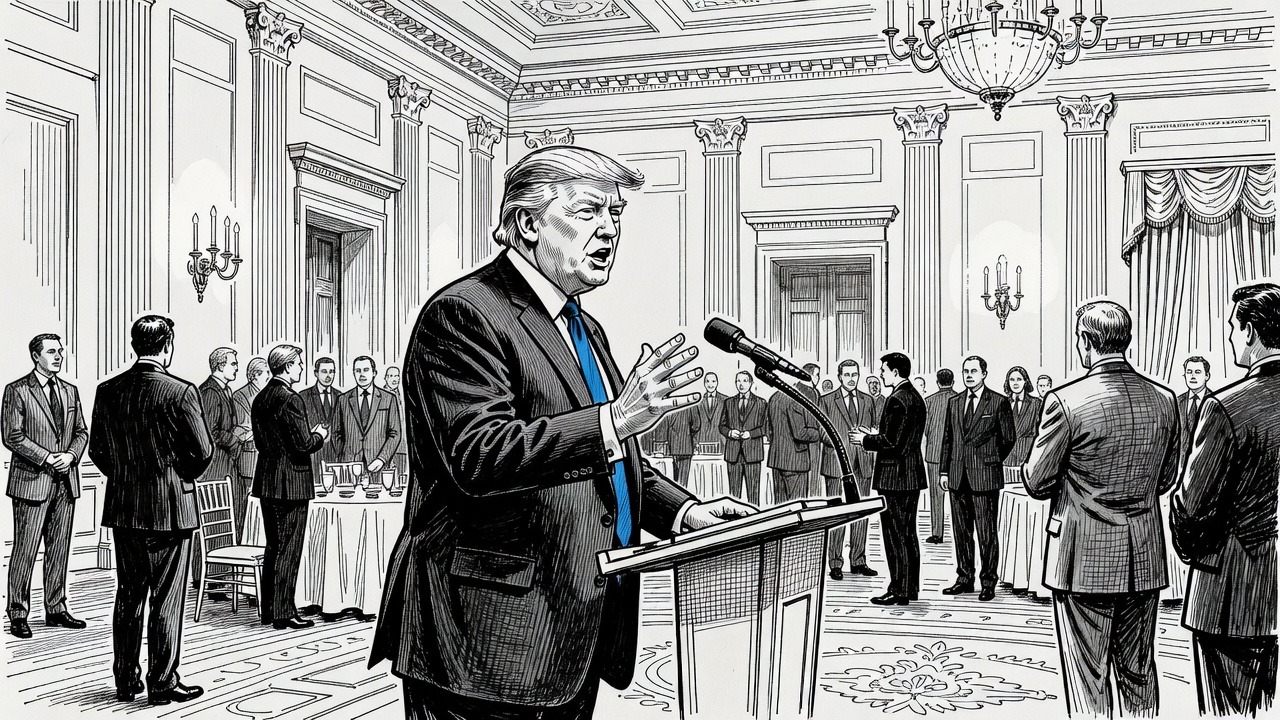
Then there was the setting. The statement came at an event marking the final steel beam of a new White House ballroom. Trump described the construction, the security features, the relaxation he finds in the work, and the building as a national symbol. None of that is inherently ridiculous. The juxtaposition is. The same appearance in which the president explains election losses driven by war-driven fuel prices is also a promotional turn for a construction milestone. Critics will call it out of touch. On this point they will not be inventing the charge. A president asking the country to bear the costs of a hard conflict does not get to look more animated by the ballroom than by the bill.
The Right should not flinch from saying so. Loyalty to a defense secretary who is delivering is a strength. Treating that loyalty as immunity from the voters’ verdict is not. Trump can keep Hegseth. He cannot keep acting as if the price of the Iran war is a detail to be noted and then set beside the steel beams. National strength includes the economic security of the people asked to sustain it. The midterms just priced the alternative. The next two years will show whether the administration heard them.