Qualcomm calls it its largest 5G project ever. That makes it worth asking who is building the network, and who gets to answer for it.
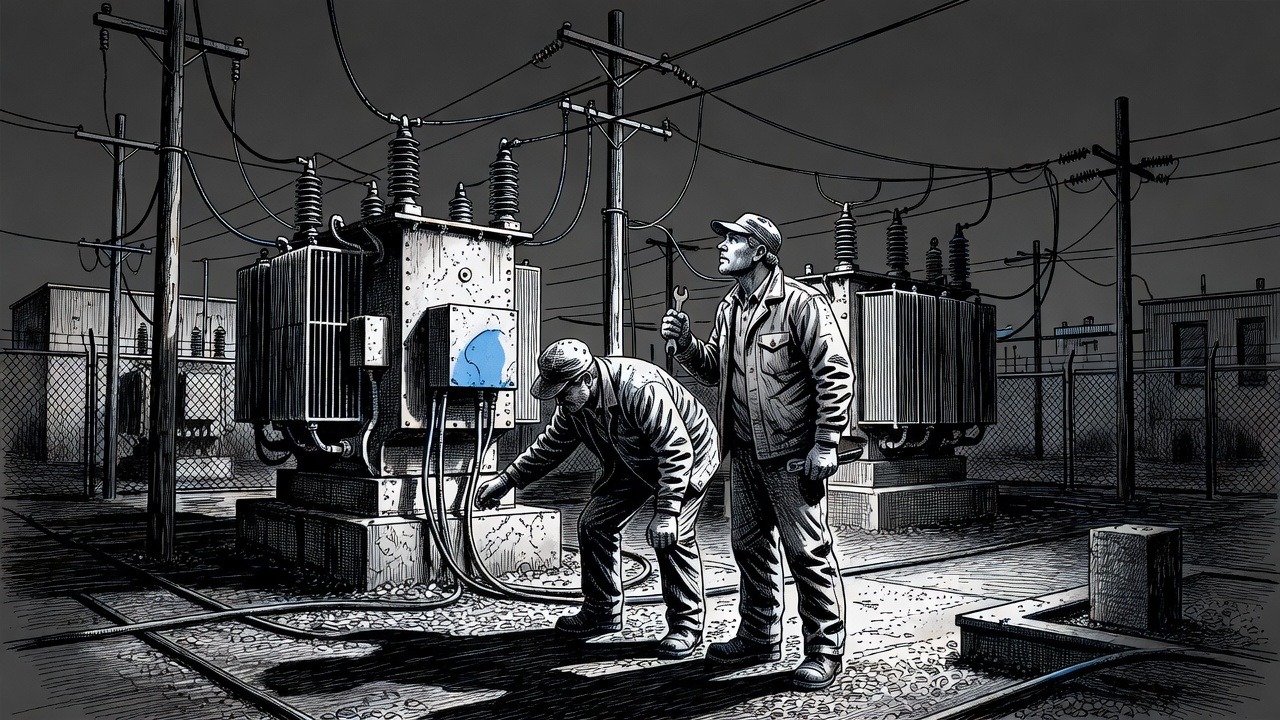
The deal is simple to describe. Qualcomm will supply base-station hardware and software so SpaceX can build a terrestrial cellular network for Starlink Mobile. The deal makes sense only because of what happened before it. Last year SpaceX bought spectrum licenses from EchoStar in a deal reported at about $17 billion, and later added more. Those holdings had been the foundation of the supposed fourth national wireless carrier, the one regulators promised when they approved the T-Mobile/Sprint merger. That job was assigned to Dish, which EchoStar later merged with. Dish was supposed to keep wireless prices honest. Instead it sat on public airwaves, missed milestones, and then cashed out when the FCC leaned on it. The public got a smaller market, and the shareholders got paid.
Spectrum is not a private asset. It is a public resource that Americans lend to companies on the condition that they use it. When a licensee doesn't build, the honest remedy is to take the license back and auction it or reassign it openly. What happened here was a negotiated exit that turned an unmet obligation into a windfall, with a regulator that has shown very little distance from the man who benefits.
That is the part the Right's usual "innovation" story skips. Yes, a fourth network could lower prices, and rural customers who have been neglected by AT&T and Verizon for a generation have reason to want one. I'm not going to pretend the incumbents are heroes. They aren't. Nobody should miss a cartel of three.
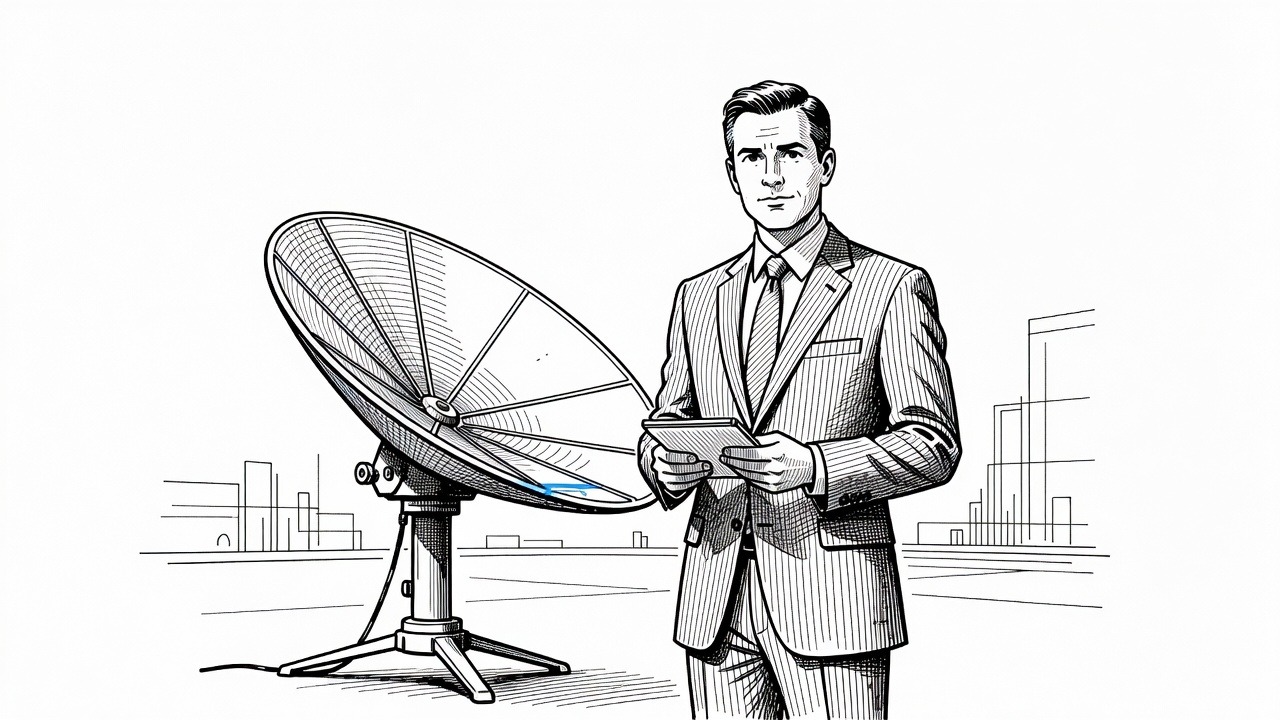
But replacing a cartel of three with a competitor controlled by one man is not the same as restoring competition. SpaceX already owns the rockets, the satellites, and the consumer terminals. It has a growing share of federal broadband dollars after the administration reworked the BEAD rural-internet program in ways that favored satellite service. Now it is adding spectrum and towers. This is vertical integration of national communications infrastructure, run by a person who spent part of last year inside the government, gutting the agencies that oversee his businesses. Then he fought with the president, then made up with him. Whatever you think of Musk's politics, a regulatory relationship that depends on the mood of two men is not a regulatory system.
We also have a preview of how he treats that power. Starlink became essential to Ukraine's war effort, and by most accounts Musk personally decided where it would work. He has disputed parts of that story. But the point stands that a private citizen held a veto over military communications in a war zone. Now imagine that discretion applied to the phones of rural Americans, disaster-response agencies, and the emergency calls that ride on a cellular network.
Democrats should be embarrassed by how little they have said. The party that claims to care about concentrated corporate power has mostly treated Musk as a villain to mock, not a case study to regulate. Mockery isn't policy. If we mean what we say about monopoly, then spectrum transfers should get real public-interest review. Buildout deadlines should be enforced against everyone, including the ones who happen to be friends of the White House. Any carrier that becomes critical infrastructure should have to meet common-carrier obligations, interoperability, outage reporting, and emergency-service guarantees, no matter who owns it.
None of this requires hating rockets or cheap rural coverage. It requires remembering that the airwaves belong to the public, and that a good product does not entitle anyone to rewrite the rules around it. Qualcomm will build the towers. The question is whether anyone with the power to say no is still willing to.