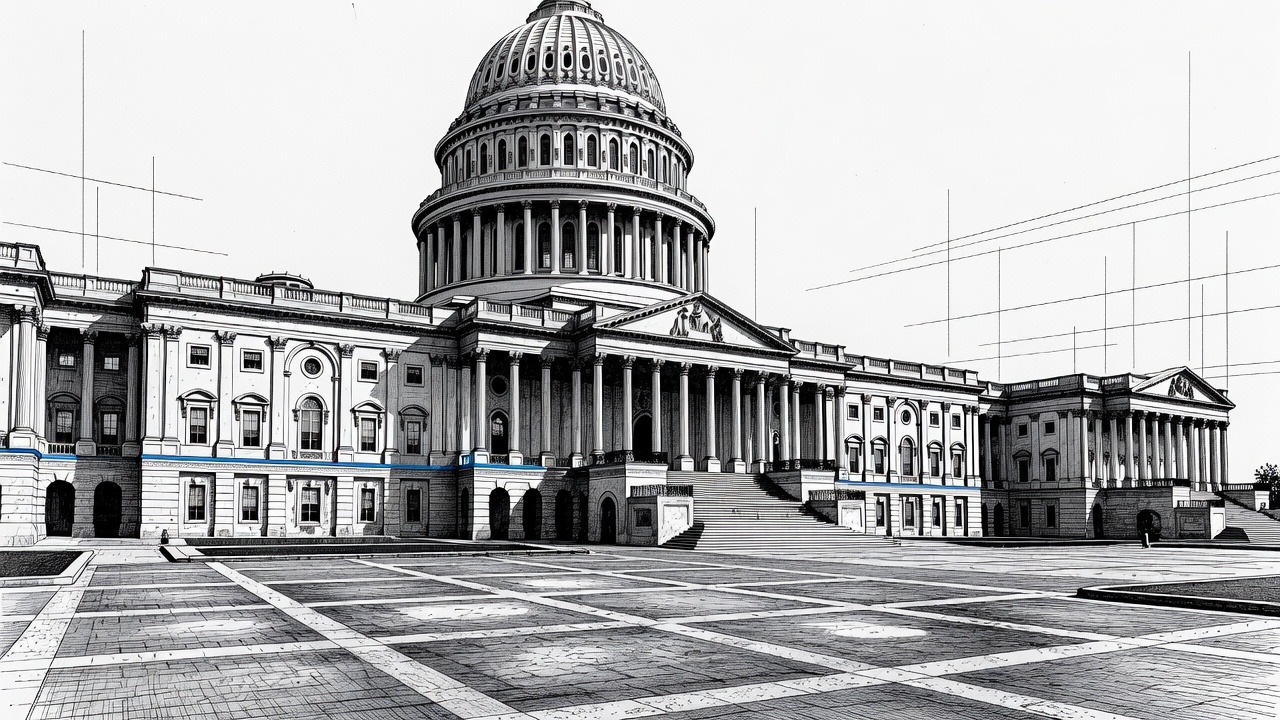
For years, the standard line in Washington and on cable business channels was that Democrats are what Wall Street fears. On Wednesday, Wall Street spent the day cheering a Democratic sweep of Congress. The S&P 500 rose about 1.6%, the Dow about 3%. Clean energy, healthcare, housing and consumer stocks all climbed.
The obvious reading is that markets love divided government. The more revealing reading is that investors were relieved to get a check on a president whose style of rule is itself a financial risk factor.
Look at what the analysts actually said. They cited reduced political uncertainty. They pointed to Donald Trump's statement that he accepts the result and will work with Democrats, which eased fears of a prolonged fight over the outcome. In other words, a rally came from the prospect that the president would behave like a normal officeholder. That is a damning description of the status quo ante. The people who manage trillions of dollars had been pricing in the possibility that the head of the government might not honor an election. Markets don't normally pay a premium for the peaceful transfer of power, which is why they're paying attention now.
I'd treat that sentence with suspicion anyway. Accepting the result costs Trump nothing today. What he does when House committees get subpoena power, when appropriations become leverage, and when the first investigation lands on his desk will tell us whether he meant it. Analysts themselves said stability will depend on the administration's rhetoric, inflation and energy prices. The market has extended credit. It hasn't received payment.
Democrats should also resist the temptation to take the rally as a grade on their performance. A one-day jump in the Dow is not a mandate. The voters who handed over Congress were not mainly worried about their portfolios. They were worried about groceries, rent, electric bills and whether anyone in power would answer to them. The sectors that rose, like housing, clean energy and healthcare, matter because they touch those costs. Lower yields and cheaper crude help a household. They don't help much if the household can't afford a down payment or a premium.
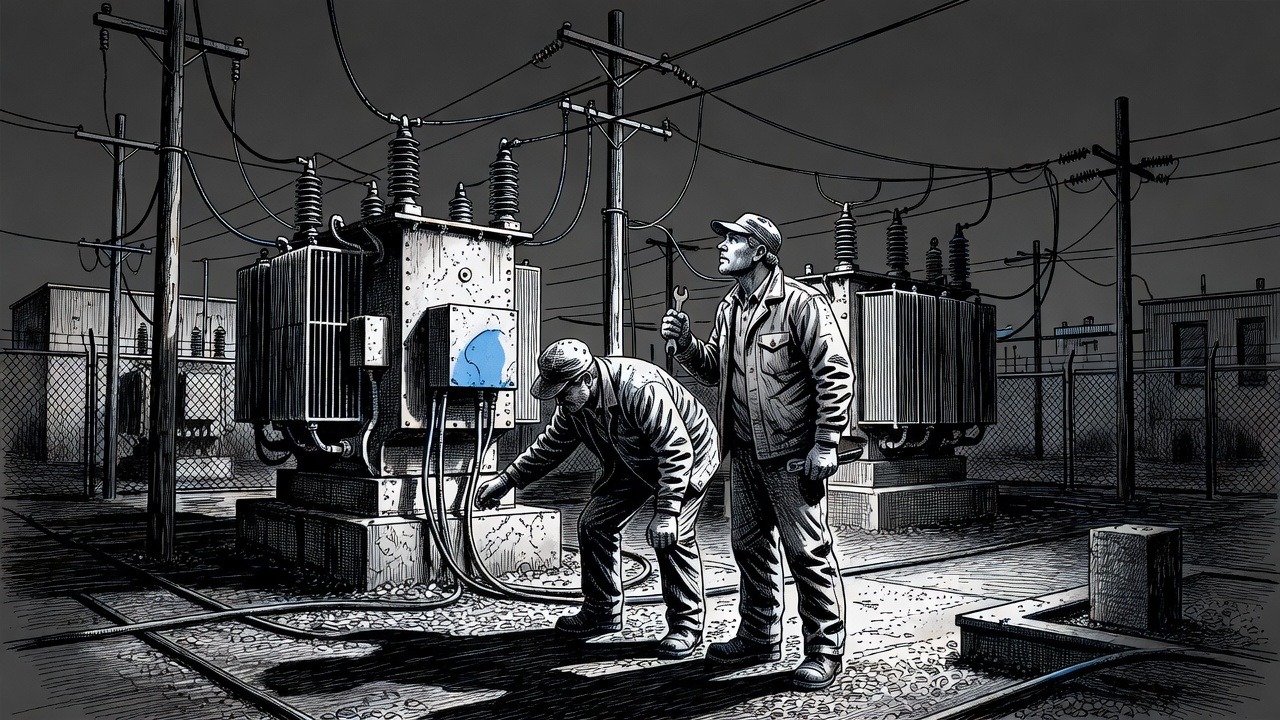
Then there's the part of the story the market didn't like. Shares tied to AI data center construction and defense spending fell, and analysts connected the data center slump to proposed state restrictions. The industry will describe that as hostility to innovation. A more honest description is that communities are asking who pays for a build-out of enormous power-hungry facilities. Those costs show up as strained grids, water demand and local tax breaks, all handed to companies whose owners are some of the richest people on earth. Voters are entitled to set terms. The analysts' worry that restrictions could favor the largest cloud providers over smaller operators is fair enough, and Democrats should take it seriously. The answer is to write rules that don't entrench the giants, not to wave through whatever Silicon Valley wants because the Nasdaq twitched.
This is the test of the new majority. Governing to please the market means asking what will keep the indices rising. Governing for the people who voted means asking what will lower costs, protect ratepayers and make power answer to somebody. Sometimes the two align, as on Wednesday. When they diverge, as they will, a Democratic Congress cannot flinch because an oil stock or a defense contractor lost a few points.
Investors got the one thing they wanted: a restraint on the president. Voters wanted that too, but they want more. Democrats should deliver it, and let the markets adjust.
How it may affect me
Treat the rally as a one-day move, not a trend. The items most likely to reach your budget are mortgage rates, gasoline and electricity costs, all cited in the market reaction. Falling yields and crude prices could help borrowers and drivers, but analysts said inflation and energy prices could still reverse that.