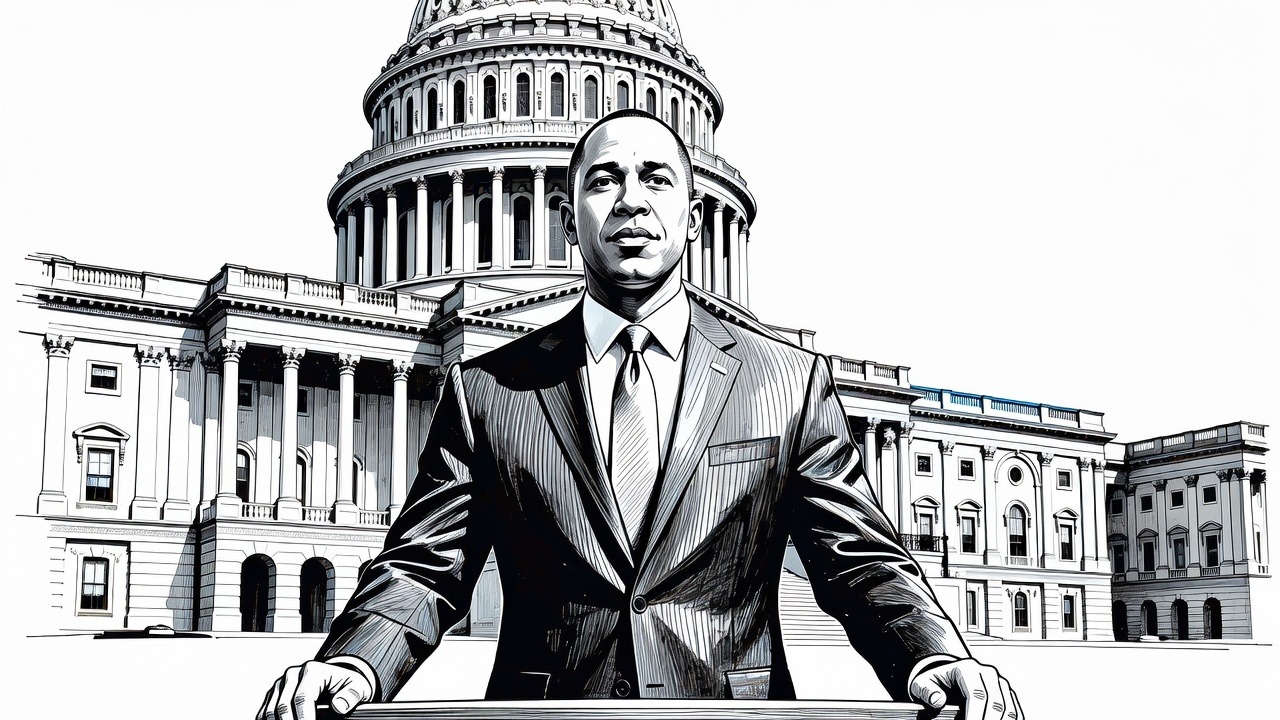
Voters just handed Democrats both chambers of Congress, and the first thing to ask is what for. The answer cannot be "to get even," and it cannot be "to hold the economy hostage and see who blinks." Both temptations are already visible.
Start with the part that's easy. Oversight is not revenge. It is the job, and it has been abandoned for years. A Republican Congress watched a Defense Secretary run the Pentagon in ways the president himself now reportedly debates over whether to keep him. It watched a war with Iran proceed without anything resembling a serious public reckoning. It watched Medicaid and health-care cuts pass in 2025 and treated the consequences as someone else's problem. Subpoenas are how a legislature finds out what the executive branch is doing in the public's name. Nobody should apologize for issuing them.
But Ed Markey's promise of "broad subpoenas" for tech companies deserves a harder look than applause. An industry that answers to a president who can make or break its regulatory fate has every incentive to curry his favor, and Democrats are right to ask whether that courting bought anything. That relationship deserves daylight: who asked for what, who got what, and who paid. Democrats should go after it. But "broad" is the wrong word. Broad subpoenas make for a news cycle and a court fight. Narrow ones, aimed at specific decisions and specific money, make a record. The Republicans' impeachment-era hearings taught us what theater costs: attention, then boredom, then nothing. If Democrats want this to matter, every subpoena should tie to a harm a voter can name.
Now the dangerous idea: using the next debt-limit deadline as a bargaining chip to force Trump to reverse Medicaid cuts, limit the Iran war, roll back tariffs or raise corporate taxes. I understand the appeal. Republicans did exactly this in 2011 and again in 2023, and Trump has never shown any interest in norms he doesn't benefit from. Why should Democrats disarm unilaterally?
Because this is the wrong weapon, not the wrong manners. The debt limit does not authorize new spending. It permits payment of bills Congress has already run up. A standoff doesn't hit Trump first. It hits bond markets, then the people whose benefits depend on the Treasury paying on time: seniors, veterans, families on Medicaid, the very people those cuts already threaten. Analysts warn that a prolonged fight raises the risk of missed payments. Democrats would be gambling the security of their own constituents on the hope that a president who has made chaos his brand will be the one to flinch. He won't, and he will have a ready-made story about who broke the economy.
They also don't need the gamble, because Congress has real power elsewhere. Appropriations bills fund the government and can carry conditions. War powers resolutions force members to vote on Iran, on the record, with their names attached. Health-care funding fights put the 2025 cuts back in front of voters. Those are fights where Democrats hold the stronger moral ground and the better polling, and where the harm of losing falls on Washington rather than on a Medicaid patient.
The party that spent a decade calling debt-limit brinkmanship reckless shouldn't discover its charms the moment it holds the matches. The Left's case against this administration is that power has been used without accountability and at ordinary people's expense. Democrats make that case worst when they answer it by risking ordinary people's money. They make it best when they use their new authority to demand answers, force votes and defend the programs they promised to protect.
The voters didn't hire Democrats to be Republicans with better press. They hired them to govern.
How it may affect me
A prolonged debt-limit standoff could raise volatility in bond markets, which can push up borrowing costs such as mortgage and credit rates. Analysts also flag a risk of missed federal payments. No deadline fight is imminent, but anyone who depends on federal benefits or plans to borrow should watch how the debate develops.