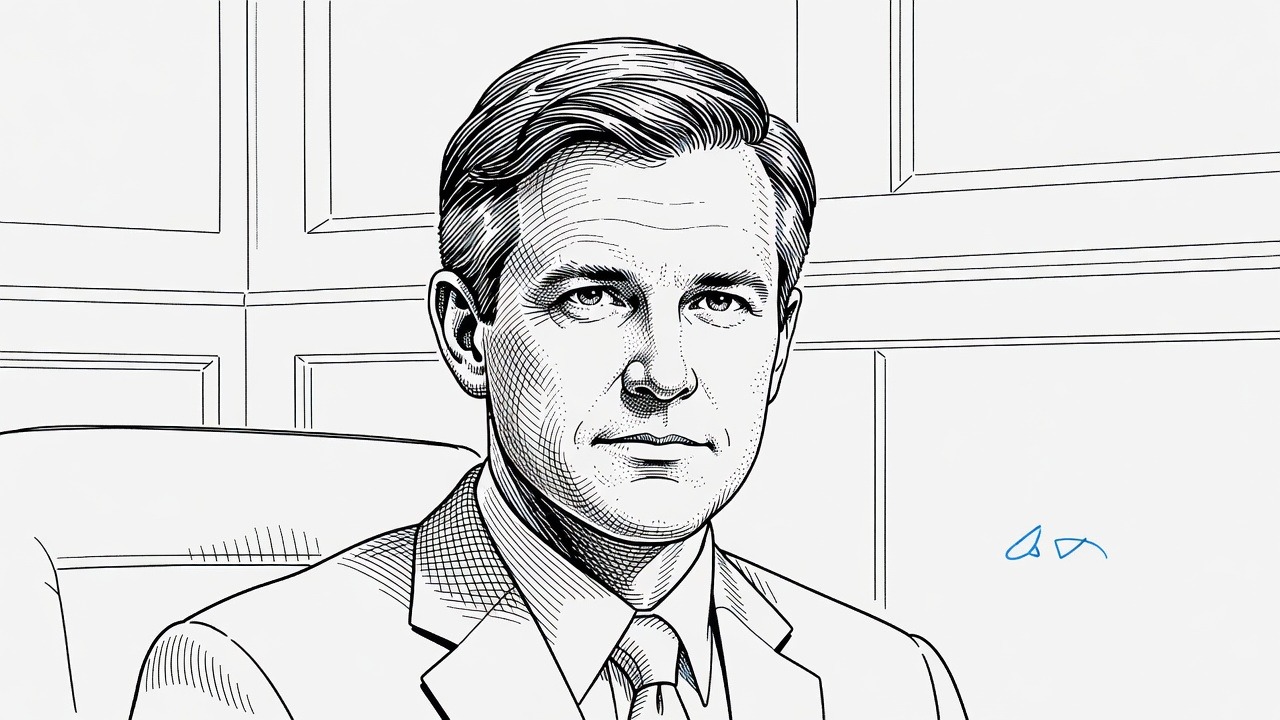
Mike Johnson says leading the House was the honor of his life. It's hard to say what he led. For most of his tenure the House Republican conference took direction from the White House, and the speaker's main job was to make sure the chamber never got in the way.
Remember how that looked. During the longest shutdown in American history, Johnson sent the House home for weeks rather than hold votes. Staying away conveniently kept him from swearing in Adelita Grijalva, a duly elected Democrat whose seat would have supplied the signature for the Epstein files discharge petition. He passed a megabill that cut Medicaid and food assistance to pay for tax cuts that flowed overwhelmingly to the top. He let health insurance subsidies lapse and told families to wait. A coequal branch of government was run as a branch office.
His party now has the midterm results it earned. Voters did not need a seminar on House procedure to know that Republicans promised lower costs and delivered tariffs, chaos and a Medicaid cut with a delayed fuse. They noticed.
So what does the Republican conference do with the verdict? Two men are running to lead it, Steve Scalise and Jim Jordan. Jordan's pitch is revealing. He says the party needs a strategy for responding to the Democratic majority's oversight. Not a strategy for persuading voters who just fired them, or for fixing the health care mess. A strategy for oversight.
This is the same Jim Jordan who defied a subpoena from the January 6 committee, a body that was investigating an attack on the Capitol itself. He wrote the playbook on treating congressional process as optional when it points at his side, and as a holy crusade when it points at the other. For two years he ran investigations that produced hearings, headlines and very little else. Now he is preparing to tell the country that oversight is persecution. Coming from him, that is not an argument. It is a reflex.
Oversight is not a favor Democrats are doing for themselves. It is the House's constitutional job, and the last three years have been a long vacation from it. Who got the tariff exemptions? Where did the money go? Who decided which agencies to gut, which prosecutions to start and which to drop? Those questions have been asked mostly by journalists, inspectors general who were then fired, and courts. A Congress that finally asks them is not at war with the executive. It is just back at work.
But my side has its own test, and I would rather say so now. The worst thing Democrats could do with subpoena power is imitate the Republican version. A parade of hearings built for cable clips would waste the moment and hand Jordan his persecution story. Oversight works when it follows real money, real harm and real decisions: who profited from policy, who lost coverage, who was fired for refusing to do something illegal. It should be aimed at what people can feel in their paychecks, premiums and hospital bills, and it should be patient and documented.
Democrats also hold the power of the purse, and it is the more important weapon. A House majority can force negotiations over funding. After a year of watching Republicans treat shutdowns and rescissions as ordinary tools, Democrats should use that leverage on health care affordability and on the Medicaid cuts. Voters did not hand over a majority so Democrats could be polite.
Johnson steps down having shown what happens when a legislative leader decides his job is to be loyal rather than to lead. The conference is about to choose between a man who did it quietly and a man who did it loudly. If that is the choice, the minority will be as useless as the majority was, and Democrats should be glad to run against it.