A 0.9% monthly dip in the S&P 500 is not a crisis, and anyone calling it one is selling something. The Dow actually rose. But the pattern underneath October's numbers deserves more attention than it is getting, because it shows how much of the American economy now rests on the quarterly mood swings of a few giant companies.
The Nasdaq fell 5.3% because Intel gave a weak outlook, Alphabet and Amazon missed expectations, and investors started asking whether the spending binge on AI infrastructure will pay off. Microsoft's 48% Azure growth shows the demand is real, at least for now. Nobody serious thinks these companies are going away. The question is what happens to everyone else when a handful of firms carry the index, the retirement accounts, the capital-spending story and a large share of the nation's growth narrative.
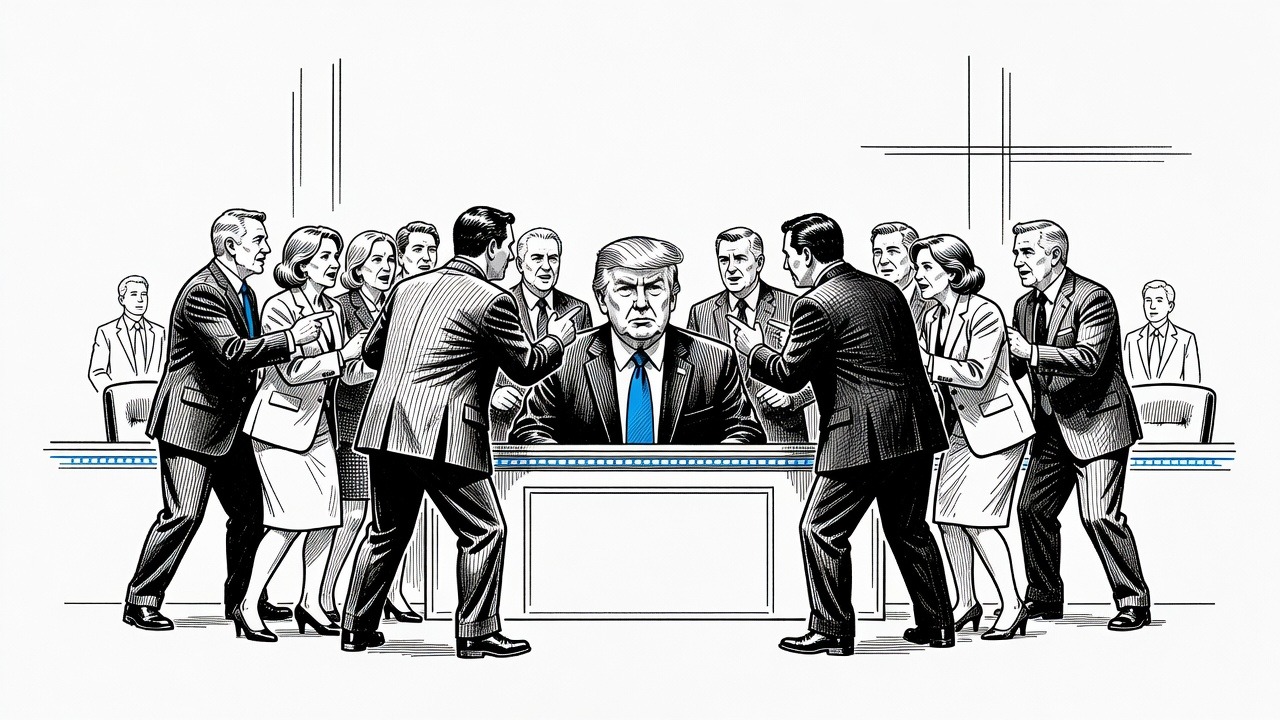
The defenders of this arrangement say it is simply what a dynamic economy looks like. Capital flows to where returns are highest, and the market corrects when expectations run ahead of earnings. All true, and all beside the point. A market can be efficient and still be dangerously concentrated. The index funds in a nurse's 401(k) or a teacher's pension are not diversified bets on American enterprise. They are, to a startling degree, bets on whether a few executives keep convincing shareholders that the next hundred billion dollars in data centers will be worth it. That is not a diversified economy. It is a leveraged bet on a few boardrooms.
Then comes the part that should anger people. Even as tech wobbles, the market is still pricing in the possibility of a Fed rate increase in December. The Fed held steady this week, but if it does hike, the people who pay will not be shareholders of the companies that missed earnings. They will be workers in rate-sensitive sectors: construction, retail, small manufacturing, anyone who needs a car loan, a mortgage or a job that depends on a business that borrows. We have seen this arrangement before. Asset holders enjoy the boom, and when inflation worries return, wage earners are asked to supply the discipline.
I am not saying the Fed should ignore prices. Inflation is a regressive tax, and it hits working families hardest. But there is something perverse about a policy debate in which the labor market is the shock absorber while the firms driving the valuation boom are treated as forces of nature. If the AI buildout is as important as its boosters claim, it is a public matter. It strains power grids, consumes enormous resources and reshapes work. It deserves democratic scrutiny of its costs, not a shrug and an earnings call.
The quiet winner of October was Berkshire Hathaway, up 8.9% even as its Alphabet stake lost value. Wall Street's reward went to a sprawling conglomerate of insurers, railroads, utilities and other unglamorous businesses, which is a nice irony. When nerves fray, investors suddenly remember that the real economy, the one that moves freight, writes policies and keeps lights on, is worth owning.
The Left should say this plainly: stable prosperity does not come from a market that rises on a few companies' promises. It comes from broad wages, public investment, competitive markets and a central bank that does not treat workers as the first line of defense. October was a small tremor. It should still tell us how the building is constructed.
How it may affect me
Most broad U.S. index funds, including those in 401(k)s, hold heavy positions in the largest tech companies, so a tech slump can move your retirement balance even if you never buy individual stocks. If the Fed does raise rates in December, expect higher costs on credit cards, auto loans and variable-rate debt. Check how concentrated your holdings are.