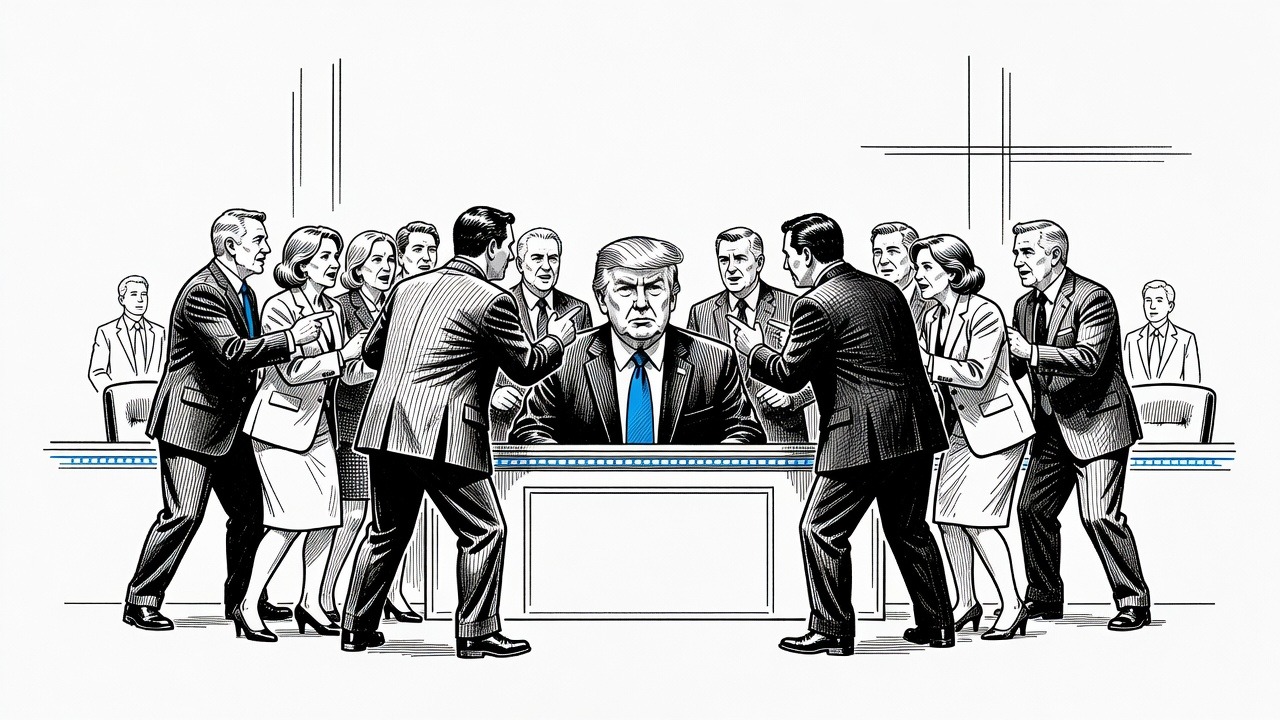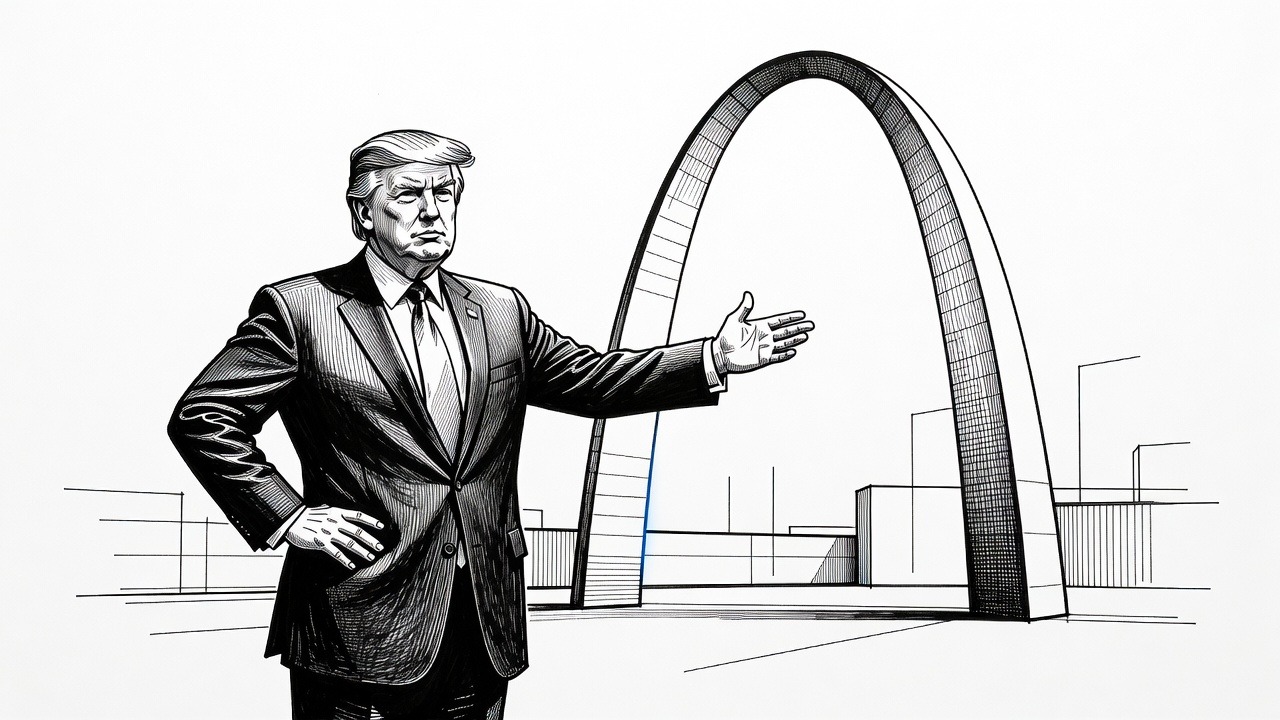
Here is the sentence that should end the argument: the administration says construction could begin the same day the planning commission votes. Not after public comment is digested, or after Congress weighs in. The same day. That is not how you build a monument to a republic. It's how you pour a foundation before anyone with standing can object.
The arch is meant to mark the nation's 250th birthday. Yet it sits at the end of Memorial Bridge, the symbolic hinge between North and South, and it is widely known as Trump's arch. The president's own name has attached itself to a monument that no one elected him to commission. That is the whole problem. Washington has a legal architecture, including the Commemorative Works Act and a tradition of congressional authorization, because the capital's sacred ground belongs to the public, not to whoever is in office. Congress authorized the Lincoln Memorial. It did not have to be asked twice whether presidents get to decorate the Mall in their own image.
The administration's defense, as reported, is national security. A triumphal arch. If a ceremonial gateway is a security necessity, then the phrase has stopped meaning anything. National security has become the all-purpose password, the thing you say when you want a question to stop being asked.
The strongest counterargument deserves a hearing. Presidents do have real authority over federal land, and Americans have always built big symbolic things. Some will call this lawsuit just another Democratic-run jurisdiction using the courts to obstruct a president it dislikes. But that argument proves too much. The suit does not challenge the president's right to have taste, even bad taste. It asks a narrow question: did anyone with legislative power agree to this? If the answer is yes, the administration can show it. If the answer is no, then "he's the president" is not a legal theory. It's a mood.
Notice who is carrying the constitutional burden here. Congress, controlled by a party that talks endlessly about executive overreach when a Democrat is in office, is mostly silent. The Republican majority could assert its authority in an afternoon. It prefers to let the District and Virginia pay the lawyers. And the District, which has no voting member of Congress and has long been treated as a stage set for national politics, is the plaintiff doing the work that senators are paid to do.
The pattern matters as much as the arch. The East Wing came down for a ballroom. Review bodies have been reshaped with loyalists, and the commissions meant to slow down impulse now function as an approval stamp with a calendar date. When the process is designed so that the vote and the bulldozer arrive together, the process is the product. Vietnam veterans suing over access to Arlington National Cemetery are not a bunch of aesthetes. They are people who were told these grounds were set apart, and who now wonder what else is negotiable.
Democrats should resist the temptation to fight this only as a taste war over neoclassical kitsch. Mockery is cheap and the arch makes it easy. The better argument is that no president, of either party, should be able to hand himself a monument by skipping the institutions that would say no. Today it's an arch with his name on the lips of everyone. Tomorrow it is a precedent available to the next occupant, whoever he or she may be.
A judge should freeze this before Thursday. Concrete can't be un-poured by the next Congress, and the time to ask whether this is lawful is before the shovel goes in.
How it may affect me
If construction begins, expect possible lane closures and detours around Memorial Bridge, Memorial Circle and routes toward Arlington National Cemetery, especially for commuters and visitors. The scope and timing are not confirmed; the court's ruling on a temporary block will determine whether work starts this week.