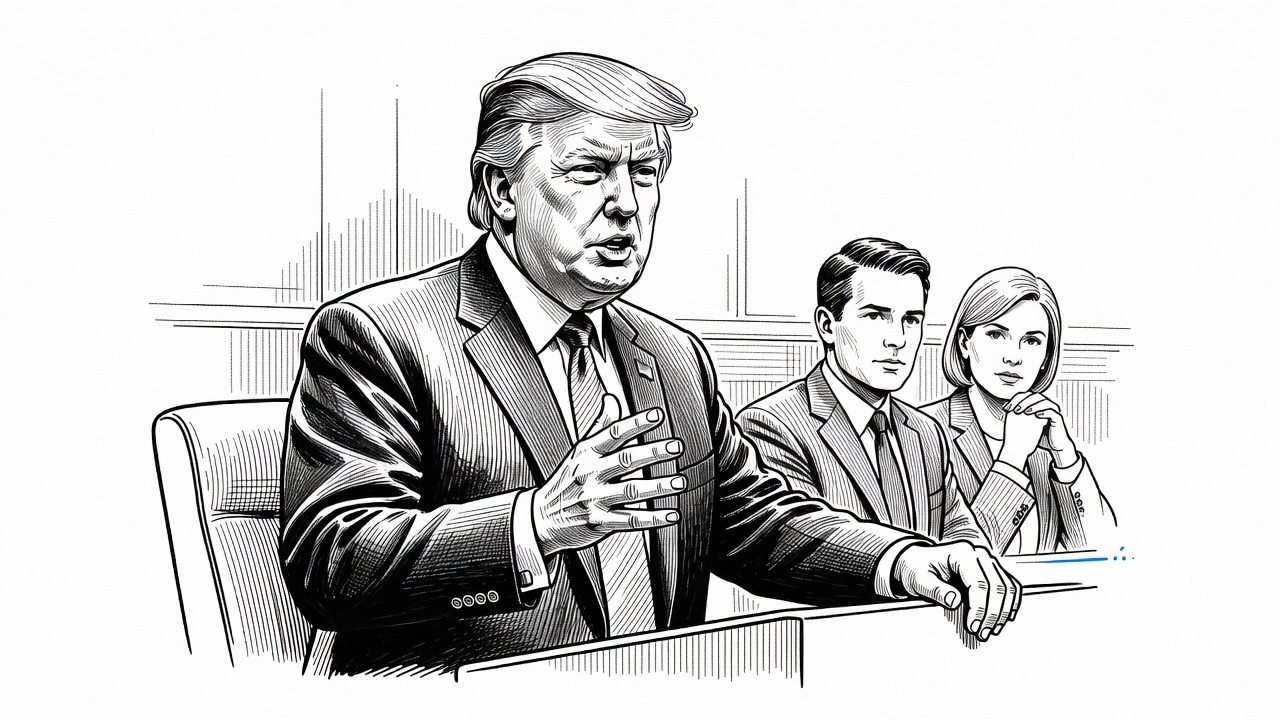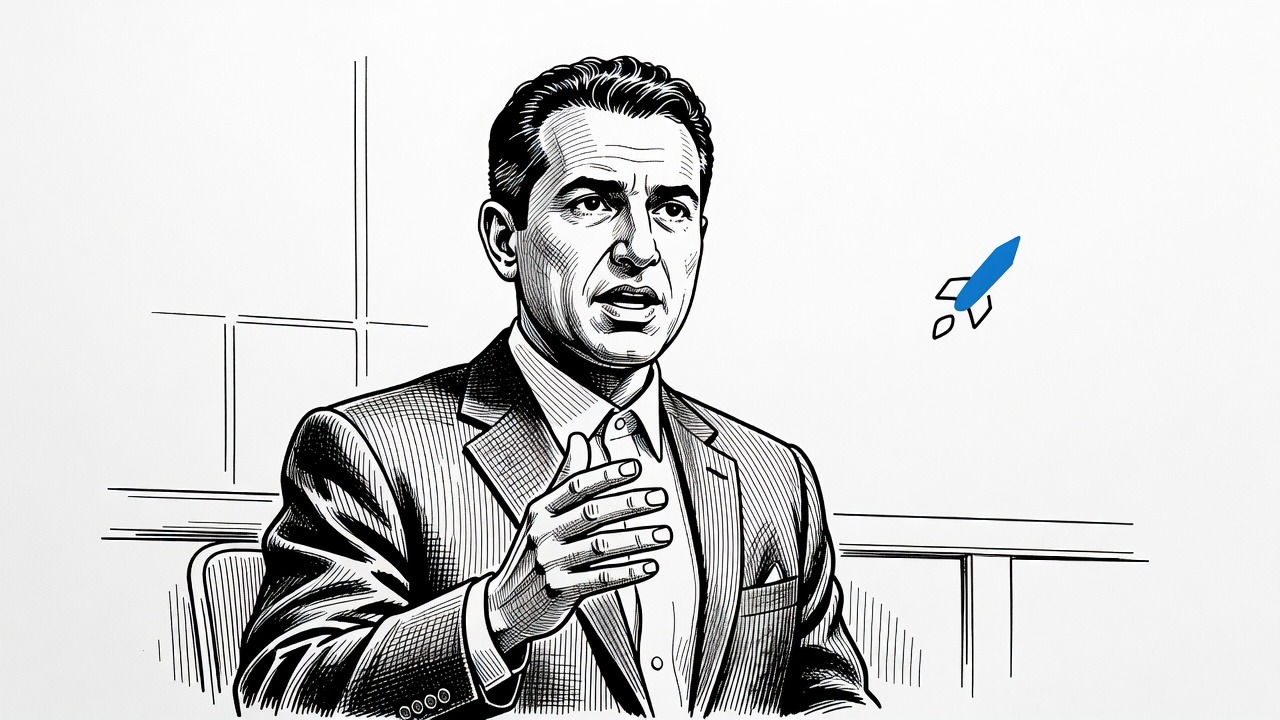
A week out, the money says Democrats are on their way to taking Congress. Every Democrat who reads that headline should feel a small chill, not a thrill.
We have seen this movie. The Left remembers the 2016 night when confident forecasts curdled into dread. The pundits who cited odds were wrong then, and the lesson was never that odds are useless. It was that odds don't vote. Sixty-three percent on Kalshi still leaves a 37 percent chance that the people now measuring drapes find out otherwise. Nobody boards a plane at those odds without checking the weather.
Be skeptical of the prediction markets as well. Kalshi and Polymarket are betting venues, not oracles. Their prices reflect what traders think other traders think, plus whatever a few large accounts feel like pushing that day. They are also built on polls, so they can't independently confirm them. When a market and a poll agree, you've counted the same evidence twice. A 47-to-36 registered-voter edge looks big until you notice that 17 percent of respondents are somewhere else, and that registered voters are not the same as people who show up. The Senate map still runs through Republican-leaning states where Democrats need things to break their way.
Now to Speaker Mike Johnson, who says the polls are wrong. His claim has two parts. First, that Democrats' "move to the left" will juice Republican turnout. Maybe. But that is an argument about enthusiasm, and enthusiasm is made of stuff you can see: crowds, volunteers, registration numbers, early votes. He offers none of it. Second, that pollsters are missing conservatives because Republicans distrust pollsters and won't pick up the phone.
Look at what he's admitting. His party spent a decade teaching its voters that the press, the polls, the courts, the election officials and the experts are all rigged against them. Now the Speaker of the House is complaining that his own voters, having absorbed the lesson, won't talk to anyone who might count them. That isn't a polling critique. It's a pre-written excuse. If Republicans lose, the polls were crooked. If they win, the polls were crooked and they won anyway. Heads, he's right; tails, the system lied. That is how you build a movement that can never lose honestly, and we've seen where that logic led after 2020.
To be fair to Johnson, polls have missed before, and sometimes against Democrats. A serious Democrat should hold that thought. The 2022 red wave that every forecaster promised mostly failed to show up, a reminder that the mood in the room is a bad predictor. Polling error is real, but it cuts both ways and nobody can reliably call its direction in advance. The honest response to uncertainty is to work harder, not to explain away bad numbers beforehand.
That is the real task for the next seven days. Democrats are favored, in large part, because the people running Washington have spent a term governing for donors, tariff-induced price hikes, and cuts that voters can feel in their own budgets. Maybe that earns an edge. It earns nothing until people vote. If the party wins, it should not mistake a midterm referendum for a mandate for managerial politeness. A House majority means subpoenas, hearings and a real check on an executive branch that has treated oversight as an insult. A Senate majority means confirming judges who answer to the law rather than a patron.
That is worth knocking on doors for, not scrolling odds. Ignore the betting screens. They can't win it for us, and Johnson's 21-state tour suggests he knows it.
How it may affect me
Many states are already in early voting, and Election Day is Tuesday, Nov. 3. Check your registration status, polling place and any mail-ballot return deadline through your state or local election office now. Odds on betting sites don't change any of that.