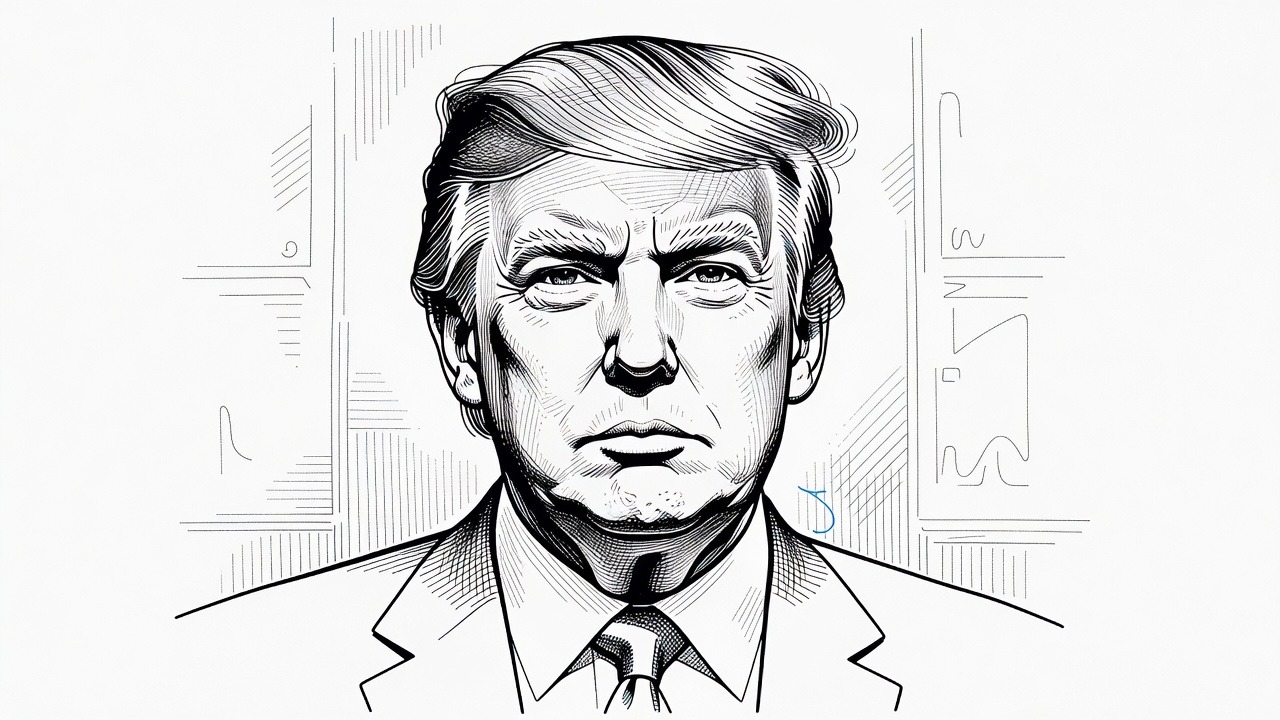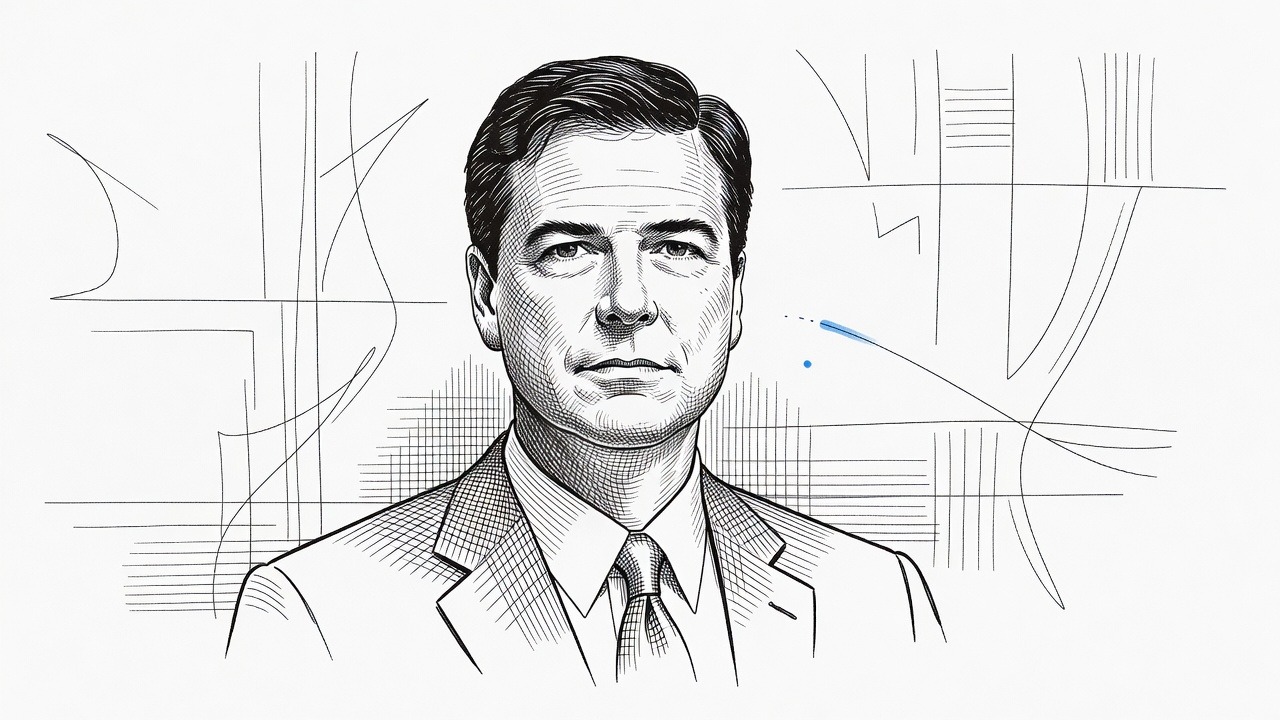
Republicans want you to believe that national Democrats arriving in Mississippi is an act of tourism. Look at who else is showing up. Donald Trump went to Corinth. The Senate Leadership Fund is lining up a seven-figure buy. Cindy Hyde-Smith's people say the Democratic effort is too late and will fail, yet the party that calls it hopeless is spending money and a presidential rally to stop it. Nobody holds a rally to head off a lost cause.
The smarter objection comes from inside Democratic politics: Mississippi is deep red, Democrats lose it by double digits, and every dollar spent there is a dollar not spent in a genuine battleground. Fair. Mike Espy lost to Hyde-Smith in 2018 and again in 2020, and nobody should pretend a $1.2 million reservation is a political earthquake.
But look at that number. It is not a lavish bet. It is an admission of how rarely Democrats treat the poorest state in the country as worth the effort. Mississippi has the largest Black population share of any state, a Medicaid program the Legislature has refused to expand, rural hospitals fighting to stay open, and a capital city that couldn't reliably give residents clean water. If a party that claims to speak for working people and Black voters can only discover those voters every six years, in the last weeks, with a modest ad reservation, the problem isn't Mississippi. It's the party's map.
The Republican complaint that Colom is a creature of national Democrats is also rich. Hyde-Smith has been in the Senate since 2018 and is backed by the national Republican apparatus, a president who flies in to bless her, and a super PAC built to protect incumbents. Out-of-state money is only a scandal when it flows toward someone Republicans fear. Colom says local support came first and outside help followed. That is how it should work, and the party should be pressed to make it work that way more often.
What makes Colom interesting isn't the symbolism. It's that he is running on groceries and electric bills, not on the fight over his stalled federal judgeship, which Hyde-Smith helped sink. He could have run on grievance and would have been entitled to. Instead he is asking why a senator who has served in Washington for years has so little to say about what it costs to feed a family in the poorest state in the union. That is the right question, and it is a harder one for Hyde-Smith to dodge than a fight about judges. Dodging is what she is doing: she has refused to agree to a debate. An incumbent who is certain of winning shouldn't be afraid of one stage and one opponent.
Voters in Mississippi deserve to hear her defend her record on prices and on the health care cuts that Republicans have pushed through Congress, in a state where federal health dollars carry unusual weight. If she is as safe as her campaign insists, the debate costs her nothing. If she won't show up, voters can draw their own conclusions.
The lesson for Democrats shouldn't depend on election night. Win or lose, a Senate candidate who campaigns on prices, health care and dignity in the Deep South forces Republicans to defend ground they've treated as free for decades. Don't parachute in with a modest check in October and vanish in November. Build organizations, pay for organizers, and stay through the cycles when no cameras are watching. Mississippi isn't a long shot because its voters are unreachable. It's a long shot because Democrats have rarely tried to reach them.