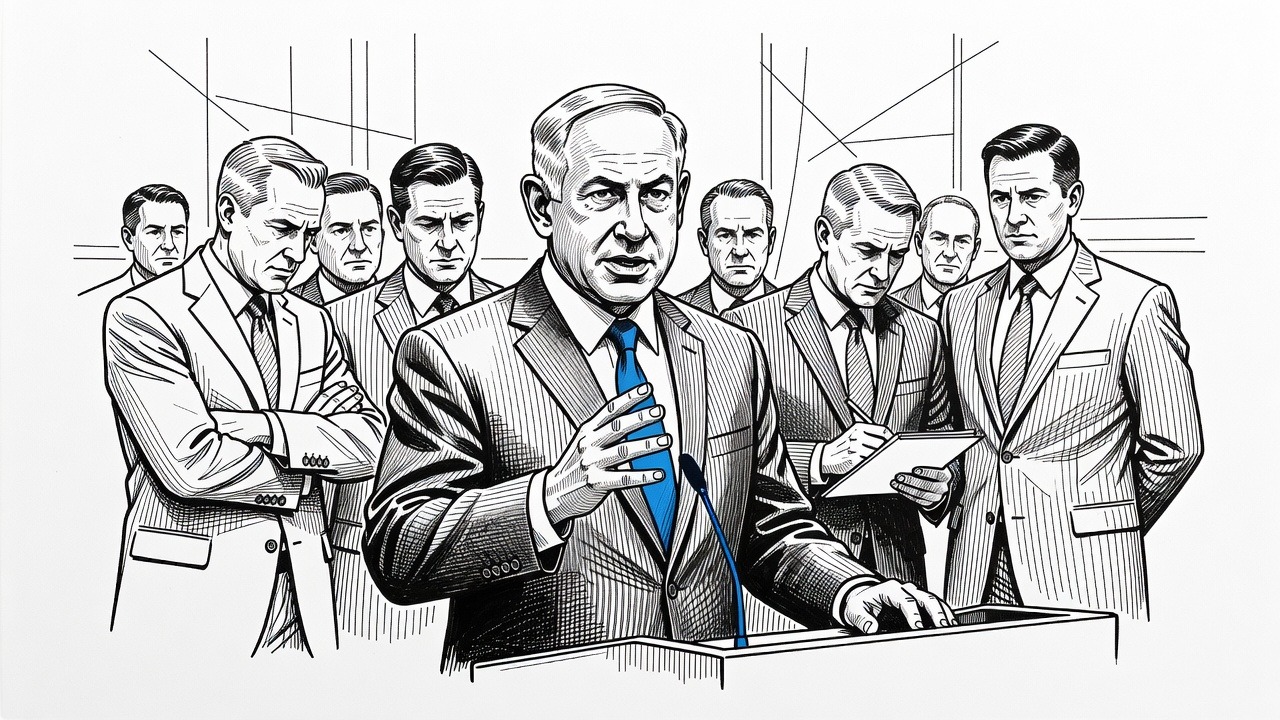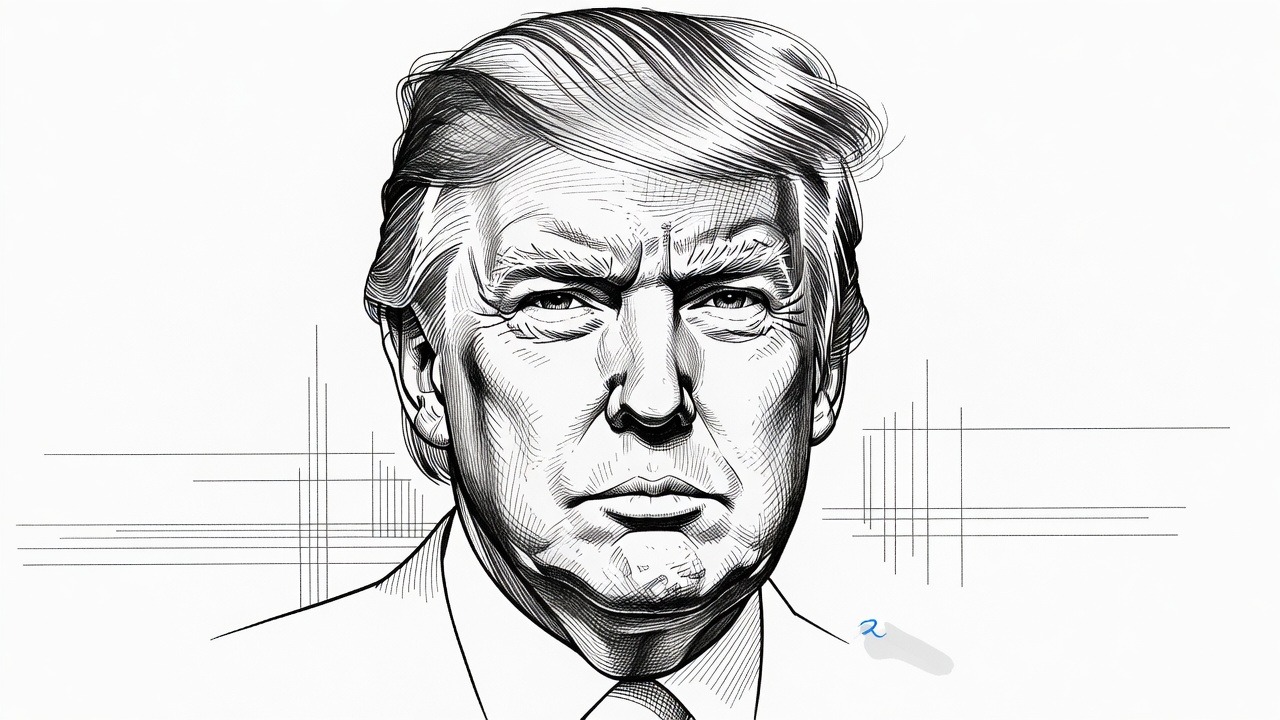
Barack Obama reached for Saddam Hussein to describe the décor.
That is the event, once the campaign laughter is scraped off. At a weekend appearance the former president said Donald Trump had dwelled too long on remodeling the White House and compared the gold-heavy look to a chain restaurant opened by Saddam Hussein. Some Democrats cheered. Trump said he inherited a building in poor condition and was maintaining a national symbol. Treasury Secretary Scott Bessent defended the restaurant and named the remark for what it was: elitism.
Start there, because the class note was not an accident. The Saddam reference made the clip travel. The chain restaurant told the room who it is permitted to despise. A politics that treats ordinary American commercial life as the aesthetic cousin of a dictatorship has already announced that it does not much like the country it means to govern. Bessent was right to refuse the premise. You do not launder a status insult through a war criminal and then call the result concern for the people's house.
The history is not on Obama's side either. The White House has been altered by almost everyone who has lived in it. Truman rebuilt the interior after the structure began to fail. Kennedy's restoration was praised as national memory, not denounced as vanity. Presidents change art, furniture, carpets, and gardens because the place is a working house, not a sealed reliquary. If Trump's choices are gaudy, say so. Gaudy is an aesthetic judgment, and free people are allowed to make it. Gaudy is not a human-rights violation. The leap from gold leaf to Saddam is the leap this political set keeps making: from dislike to emergency, from taste to indictment.
There is a serious objection available, and the Right should not pretend otherwise merely because Obama declined to make it. The residence is public. Preservation rules exist so that no president, including one his voters like, can treat the complex as a brand extension. If historic fabric is being altered, if review was skipped, if taxpayers are carrying costs that belong to a private aesthetic, those are fair questions of stewardship. Accountability is not a Democratic possession. Conservatives who shrug at process because the target is Trump are borrowing the other side's habit of selective rules.
That, however, is not the argument Obama made, and pretending it is gives him credit for a restraint he did not show. He did not cite a statute, a cost, or a room. He cited a dictator, on the trail, because November needs a villain and décor is an easy costume. Saddam's palaces were the stage set of a police state. Spending that image on a predecessor's furniture empties a word that dissidents and anyone serious about tyranny still need. Trump's reply — that Obama would not understand the duty to keep the building sound — is the usual presidential self-praise. It still fits a decade-long pattern. Ordinary acts become desecrations when Trump performs them, and language reserved for actual tyranny gets spent on interior design.
This is larger than a feud between two men who both want the microphone until Election Day. It shows how a large part of the Democratic world still understands conflict: not as a dispute over money, maintenance, or the limits of presidential personalization, but as a hierarchy of taste in which the wrong furnishings reveal the wrong kind of American. That hierarchy keeps losing, and it keeps coming back, because the people laughing are never the ones being laughed at.
A republic can survive gold décor. It has a harder time surviving a political class that uses the vocabulary of tyranny as a decorating critique and expects the country to applaud its refinement.
How it may affect me
Rally lines will not tell you whether this touches your taxes. The Executive Residence is funded through annual appropriations Congress publishes; private support for White House projects, when used, is typically associated with the White House Historical Association and should appear in its disclosures. Those records — not a dictator joke or a presidential clapback — are how you separate maintenance from self-indulgence.