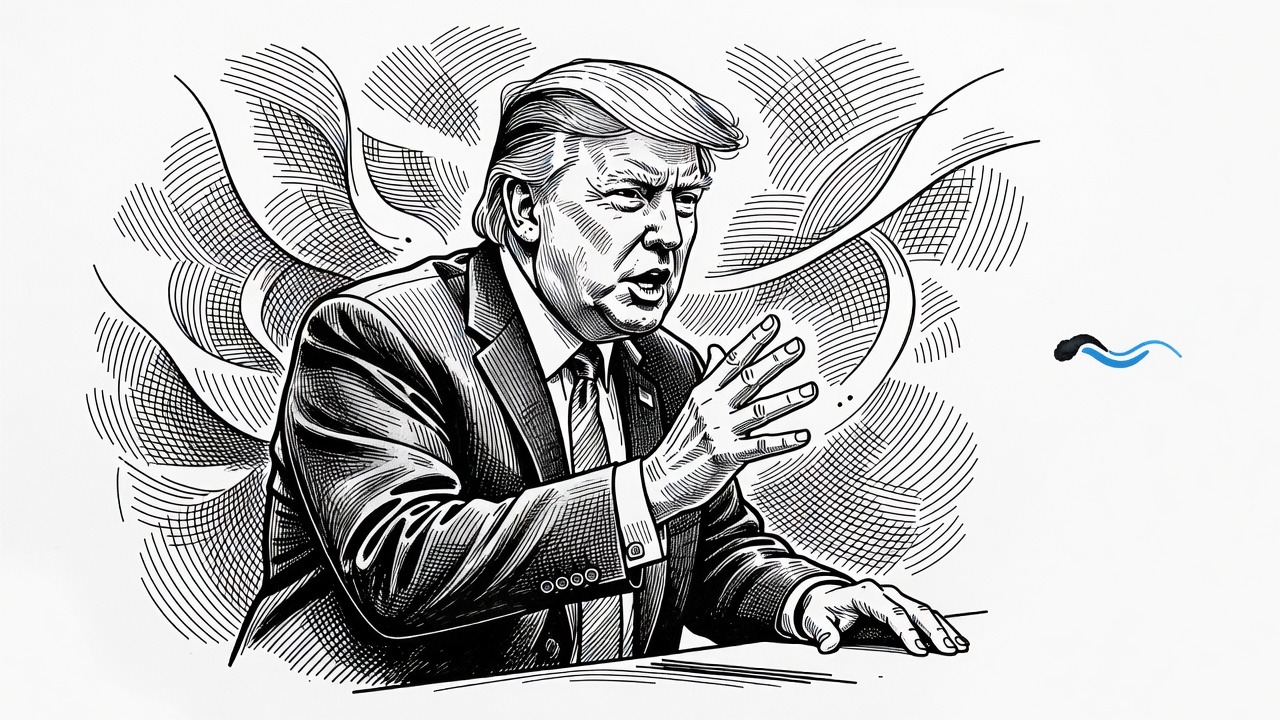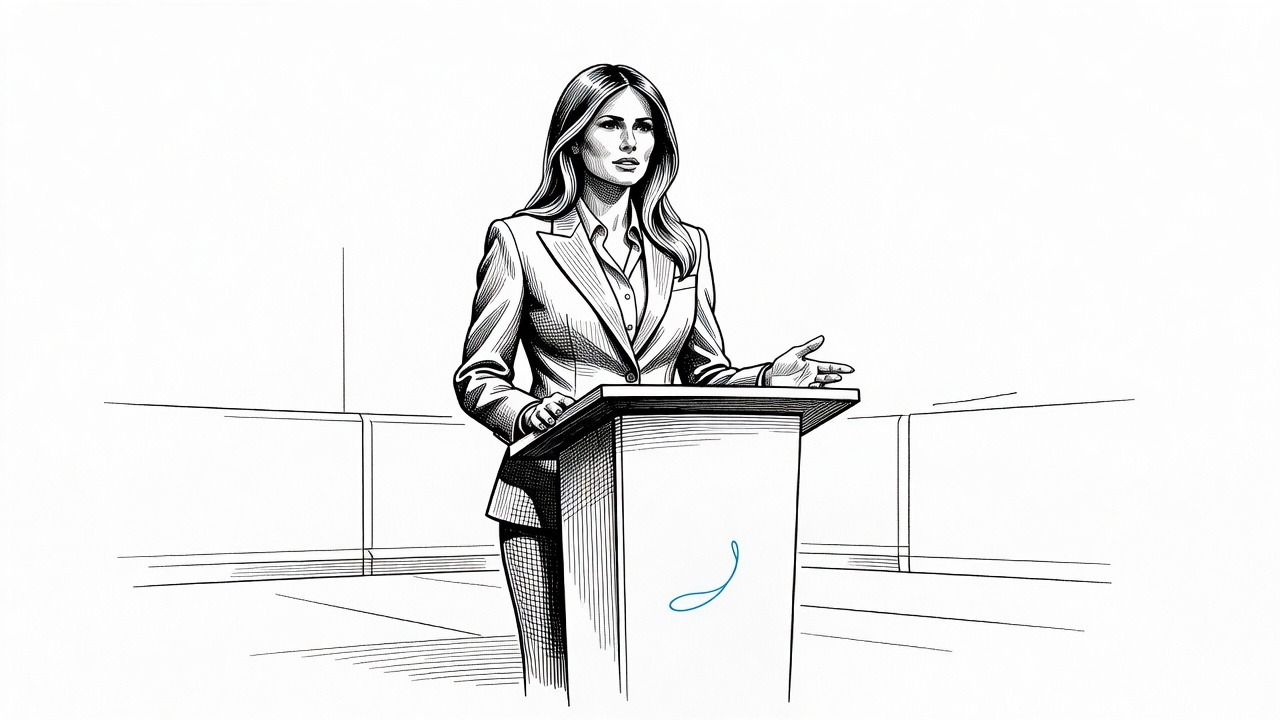
Brian Fitzpatrick has spent a decade perfecting a political product: the Republican who is sorry about it. He sighs at the cameras, votes no when his no doesn't matter, and keeps a list of his breaks with the party ready for every campaign mailer. Bucks County has bought it for years. This year it should ask what it has actually been buying.
Here is the question the independent brand can't survive: who runs the House? Fitzpatrick can cast a dozen principled protest votes. The one vote that sets the terms for everything else is the vote for Speaker, and he casts it for the Republican leadership every time. That vote decides which bills reach the floor, which investigations happen, whose subpoenas are issued and whose are never written. It decides whether anyone in Congress examines the Iran war, immigration raids in communities like those in Delaware County, or the way this administration treats the law as a suggestion. Fitzpatrick's moderate record lets a unified Republican majority hold power while he keeps his hands looking clean.
The best case for him is real, and I'll grant it. He voted against the final version of the big tax-and-Medicaid-cuts bill. He has broken with leadership on some health care and foreign policy fights. A district like this one rewards that, and Democrats shouldn't pretend those votes never happened. But look at how they work. Leadership can afford a few defections in a swing seat, and it plans for them. A no vote from a member whose side wins anyway is a press release, not resistance. Meanwhile the party he keeps in power is the one that passed the cuts. The independent label doesn't change what the majority does. It only lets him tell voters he never really supported it.
Harvie's argument is simple, and it's right: you can't claim distance from a president while keeping his congressional operation running. The Bucks County commissioner has the more useful credential too. He has run a county government, with budgets, elections and emergencies, in a place where people notice whether the trains and the trash run on time. Voters hear about the actual work of government from him, not from a man who treats Congress as a spectator sport.
And now the part my own side doesn't like to hear. Many voters in Bucks and Delaware counties say they will vote Democratic as a brake on Trump while saying they distrust Democrats. That distrust is earned. Democrats spent years asking people to be grateful for an economy where groceries, rent and insurance premiums kept climbing. "Not Trump" can win an election. It cannot sustain a party that stands for nothing else. Harvie and his colleagues have to say plainly what a Democratic House would do about prices, health costs and the arbitrary use of federal power, and then do it. A check on power is a start. It isn't a program.
Still, this election is not about perfect Democrats. It's about whether a district that says it is worried, about prices, about war, about masked agents and about a president who acts like rules are for other people, will keep voting for the party that enables all of it because the individual member seems decent. Decency is nice. Fitzpatrick has it in abundance. But the House needs members who will use power against an overreaching executive, not members who regret it afterward.
If Bucks County wants a check on Trump, the only way to get one is to take away the majority that protects him. Fitzpatrick's good manners won't do that. Bob Harvie's vote might.