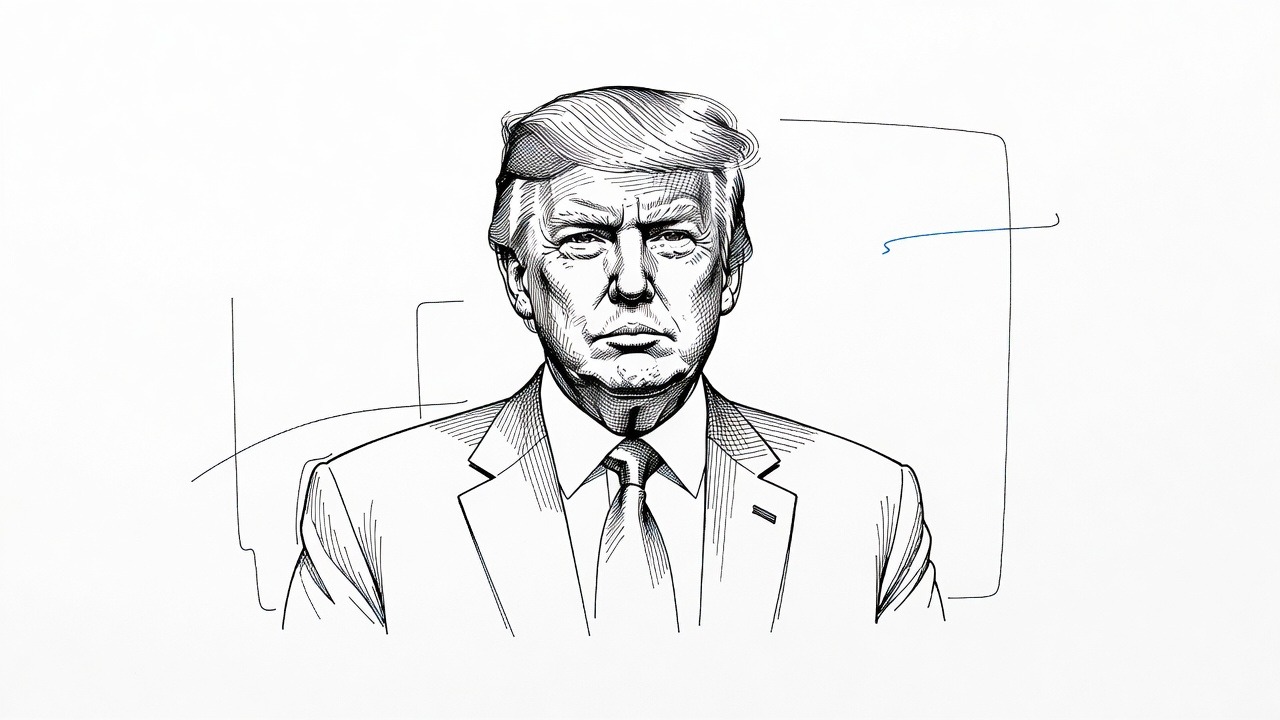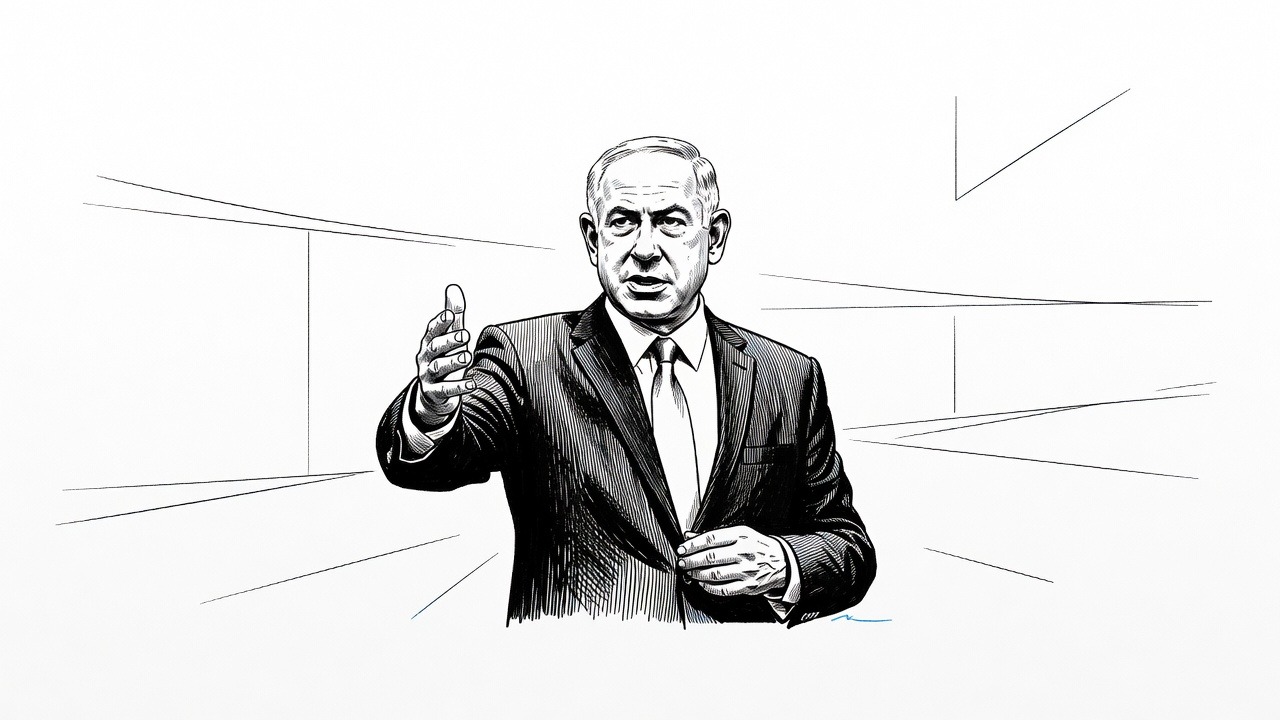
Israelis vote Tuesday with the country’s governing arithmetic still unsolved and its enemies watching the count. A coalition needs 61 seats. Neither Benjamin Netanyahu’s Likud bloc nor Gadi Eisenkot’s Yashar-led opposition is projected to clear that line alone. In quieter years this would be routine horse-trading. It is not a quiet year. The war that opened with the October 7 massacre has not been concluded, the northern front remains live, and every extra week of paralysis is a week in which Hamas, Hezbollah and Iran test whether Jerusalem can still choose.
The fashionable anxiety treats Itamar Ben-Gvir’s Otzma Yehudit as the emergency. Polls give him seven to ten seats. That is not a contaminant in the system; it is a bloc of voters who watched the massacre, the rockets, the earlier riots in mixed cities and the steady tempo of stabbings and rammings, and decided the old doctrines of management had failed them. They want enforcement that matches the threat. A Likud government that needs those mandates will have to deliver some of what those voters demanded. That is the electorate speaking, not a breakdown of democracy. The breakdown would be a political class that keeps explaining the public’s conclusions away while the security ledger argues otherwise.
Yashar’s distinctive offer is wider compulsory service for ultra-Orthodox Jews and for Arab citizens. It is presented as simple fairness. It is not simple, and it is not mainly about fairness. The Haredi exemption is a decades-old religious and social rupture. It will not be closed by a wartime campaign plank, and blowing up the only coalitions capable of governing in order to prove a point does not conjure trained battalions. Manpower is a real problem. Coercion timed for an election is a political weapon.
The proposal to draft Arab citizens en masse is worse. Citizenship is not the same thing as identification with the Jewish state. Parts of Arab politics inside Israel have spent years equivocating about terror or rejecting the state’s national character outright. The IDF is the force that prevents that rejection from becoming conquest. It is not a vehicle for demographic symbolism. Druze service and Arab volunteers already show that those who accept the state can defend it. Handing rifles, bases and access to men whose political home rejects the enterprise is not burden-sharing. It is an unforced gamble with cohesion and counterintelligence at the worst possible moment.
Netanyahu is running on security and the economy because a country under fire cannot treat either as optional. The criticisms are familiar: the trials, the judicial brawl, the intelligence collapse of 2023. Some of them land. None of them makes the alternative serious. A former chief of staff is not a guarantee of strategic clarity. The same military generation that produced Eisenkot also lived inside the concept that Hamas could be contained with cash, work permits and periodic rounds. Voters are allowed to notice that the letterhead has changed faster than the instincts.
If the numbers require Otzma Yehudit inside a government, the right’s job is to price that support in policy rather than theater: consistent action against illegal arms and incitement, no slide back into the fantasy that economic sweeteners replace deterrence. The religious parties will guard their exemptions; the manpower shortage will not vanish because it is inconvenient. Those arguments can be had inside a coalition that agrees the state must win its wars. They should not be surrendered to a project that wants to turn the army into the next front in a culture argument.
No bloc has been handed a blank check. That is not an invitation to reopen the politics of October 6. The test for whatever government emerges is blunt: does it put fear back into the people and organizations that set out to slaughter Israelis, or does it spend its capital soothing those who find that fear distasteful? The right should be prepared to walk away from any arrangement that cannot answer the first way.