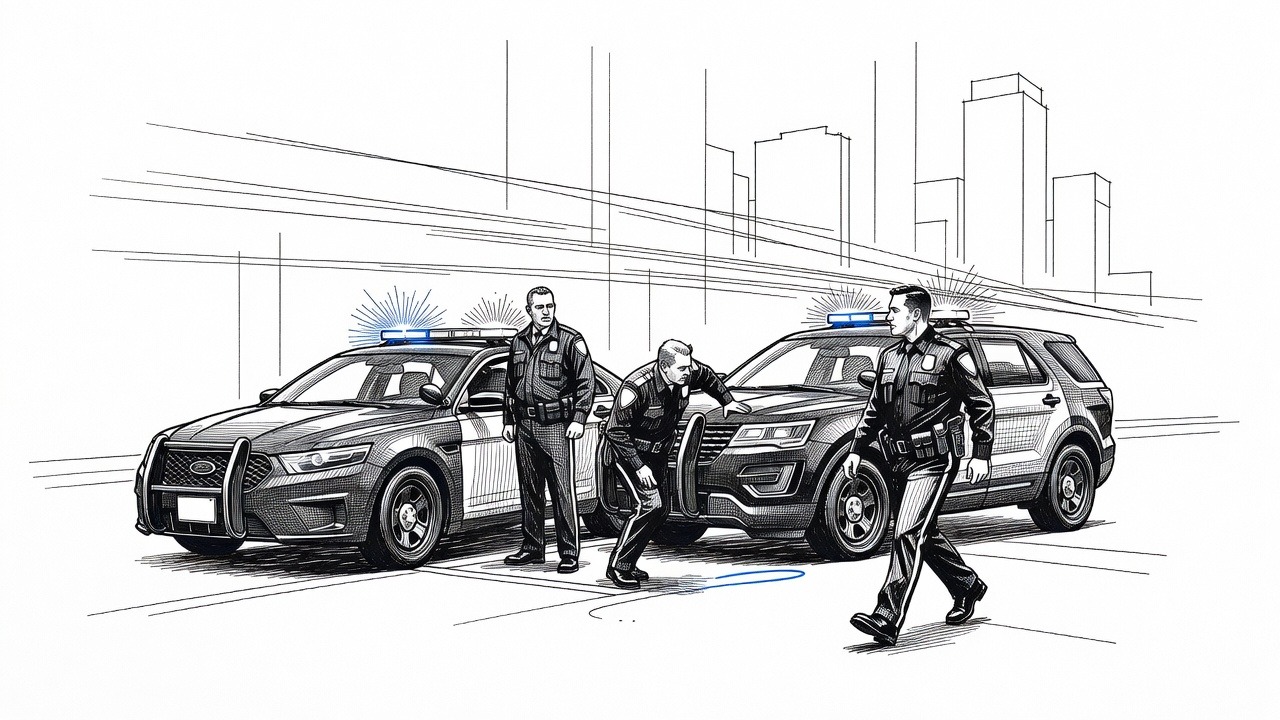
Twelve people were hurt near a football stadium on homecoming weekend, six of them children, the youngest 11. According to police, it began with a fistfight. Everything that made it a massacre came after that.
A fistfight at a crowded event is a story about bad tempers. It ends with a black eye, an ejection and a bad night. Add a firearm and it ends with a child in a hospital and a Tallahassee street taped off as a crime scene. The only difference between those outcomes is the gun. We should stop pretending otherwise.
We don't yet know who fired, or whether the weapon was legally owned. Anyone claiming certainty is guessing. But we know the legal climate in which it happened. Florida allows adults to carry concealed handguns without a permit, with no training and no licensing step where anyone looks at them first. The state also bars cities from passing gun rules of their own, and has threatened local officials who try with fines and removal from office. Tallahassee cannot act on its own. When the chief says gunfire followed a brawl, the people who write Florida's gun laws should be asked why that sentence now sounds so ordinary.
The standard reply is that criminals don't obey laws. That sounds tough and explains nothing. Every gun used in a crime was legal at some earlier point, and the whole purpose of licensing, training and carry rules is to give police a reason to act before the shooting, not only after it. When carrying is presumptively fine, a young man with a pistol at a packed tailgate is invisible until he fires. Research on right-to-carry laws, including work by Stanford's John Donohue, links them to higher rates of violent crime over time. The empirical record doesn't support the claim that loosening carry rules makes crowds safer.
Then there is the university's statement that the campus itself remained safe. I understand why a university says it. It has lawyers, parents and admissions to protect. But it is a grim sentence, a way of drawing a boundary on a map so the horror falls on the other side. Six children were shot, or hurt fleeing, within sight of an event meant to celebrate Black achievement. Homecoming at a historically Black university is more than a game. It is family, memory and pride, and for many it is the one weekend a year they feel entirely at home. A shooting there should be understood as an attack on something communal, whichever side of Perry Street it happened on.
My own side has work to do too. Gun violence that kills Black Americans in staggering numbers gets a fraction of the national attention a suburban mass shooting does, and Democrats are not blameless. We love to speak at vigils, and we are much less eager to fund the unglamorous work that prevents them. Community violence intervention programs, which send credible local messengers to defuse disputes before they turn deadly, have been among the most promising tools cities have. Many have been left scrambling as federal grants were cut in 2025. A fight that escalates into gunfire is exactly what they exist to interrupt.
So here are the real questions. Why does a state that claims to prize public safety make carrying a loaded handgun easier than most things we require a license for? Why can't a city government respond to violence in its own streets without risking its officials' jobs? And why do we keep treating each shooting as a freak event when the pattern is plain?
Police will make arrests, perhaps soon, and the person who pulled the trigger should be held fully accountable. But accountability that begins after eleven people are shot is a poor substitute for prevention. Florida has chosen its priorities, and children in Tallahassee are paying for them.