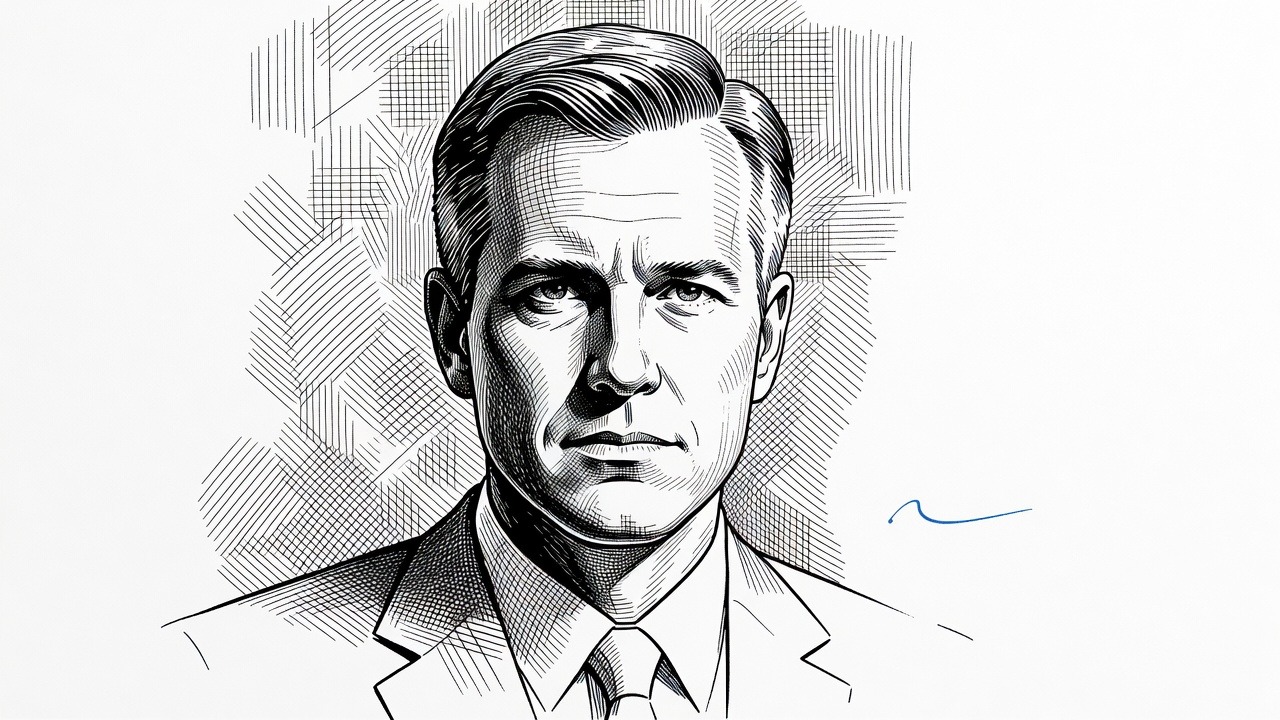
Democrats spend a great deal of breath telling voters that their ballots matter. Then, when a ballot is inconvenient, the party's brightest celebrity tells them it doesn't.
Pete Buttigieg has endorsed independent Seth Bodnar in Montana, passing over Alani Bankhead, the woman Democratic primary voters chose in June. His case is that Bodnar is a public servant who delivers results and works across party lines. That is the vocabulary of a cabinet bio, not a political argument. It tells Montanans nothing about what Bodnar would do when Republicans come for Medicaid, public lands, or a union's right to organize.
The strongest defense of the move deserves a hearing. Montana is deep red. Jon Tester, the last Democrat who could win there, lost in 2024. A candidate who sheds the party label might reach ranchers, veterans and suspicious moderates who would never pull a Democratic lever. Dan Osborn's run in Nebraska showed that an independent with a real working-class identity can scare Republicans in places where Democrats get buried. If the choice is between a symbolic Democratic loss and a plausible independent win, a serious party takes the win.
But that is not what happened here, and the difference matters.
Osborn worked because he was a specific person with a specific fight: a union pipefitter running against the boss class, with a clear story about who he stood with. Bodnar's selling point, as relayed in this endorsement, is that he stands with no one. He says he won't caucus with either party. In the Senate, that is not a virtue. Committee seats, leadership, and the order of business are all decided through caucuses. A senator who joins none either gives up that leverage or sells his vote to whoever offers the most for it. Voters would be sending someone to Washington without knowing which side he takes when the fight starts. Montana already has a surplus of Republicans who campaigned as pragmatic independents and then voted in lockstep.
Then there is the nominee. Bankhead says party figures pressured her to quit, and the party denies it. I can't adjudicate that from here. But whatever was said in private, the public message is plain. A primary winner is being told she is the problem, by the same institutions that lecture the country about democratic legitimacy. If Democrats want to stand down for an independent, that should be a decision made openly, early, and with the consent of the candidate and the voters who picked her. Doing it by celebrity endorsement, months after the primary, splits the anti-Alme vote while claiming to unify it. A plurality race rewards exactly that kind of chaos. Kurt Alme, with Trump already in the state and Vance on the way, is the beneficiary of the confusion.
The Left should be angry about this on both its flanks. Pragmatists should be angry that a high-profile figure who wants to be taken seriously about winning is helping engineer a split. Progressives should be angry that "results over party" is again the slogan of a politics that never says whose results or at whose expense. We have heard that word salad since the Obama years. It usually ends with nobody knowing what was promised.
If Buttigieg thinks Bodnar is the best route to flipping this seat, he should say what Bodnar will fight for, demand that Bodnar commit to a position on the Republican agenda, and make the case to Bankhead's voters rather than around them. Otherwise this is not a strategy. It is a party that has lost faith in its own voters and wants credit for the humility.
How it may affect me
Montana awards Senate seats to the plurality winner, with no runoff. If Bodnar and Bankhead split the vote of people who oppose Republican nominee Alme, Alme could win without a majority. Voters who want to beat him should look hard at which opponent has a realistic path and what each would do on health care, public lands and the Senate agenda.