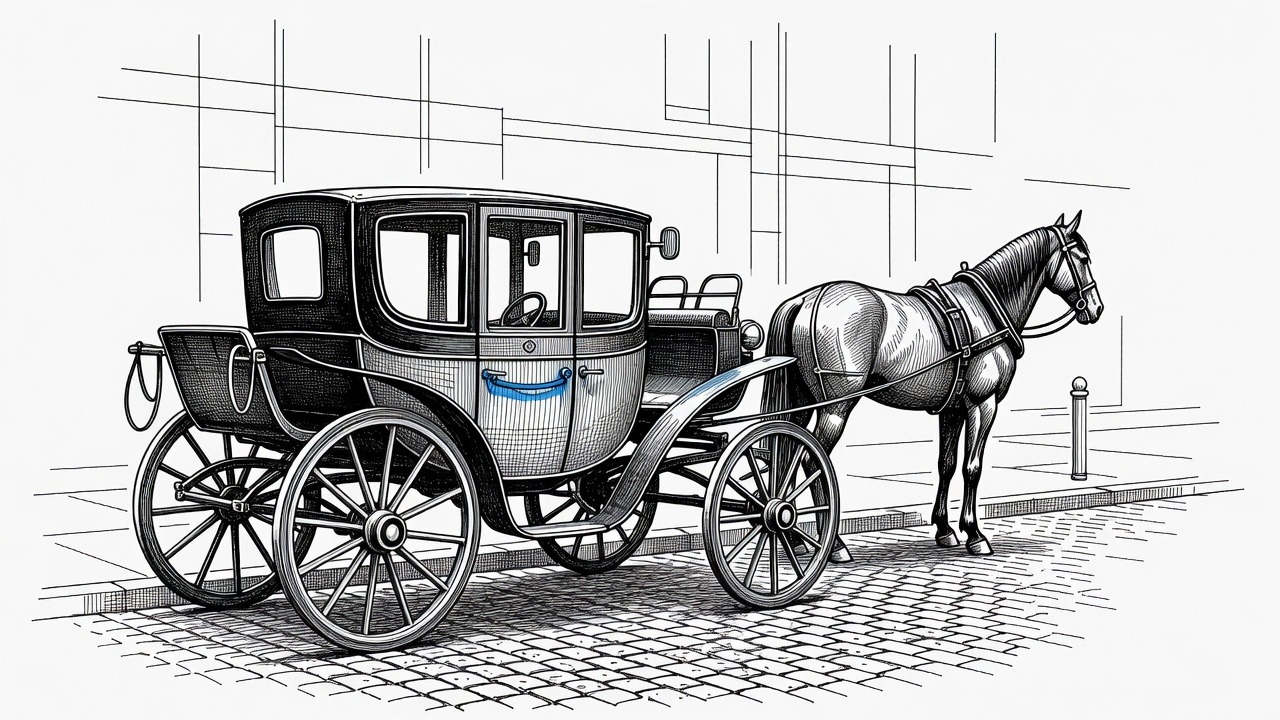
New York has finally decided that a 19th-century carnival ride, with a prey animal hauling tourists through bus traffic, does not belong in a 21st-century city. The Council is right. But the Left should be honest about what it just did: it ended some people's livelihoods, and the bill is far more specific about the horses than about the humans.
Start with why the ban is justified. The industry had decades to prove it could be made safe, and regulation was tried. Heat limits, stable inspections and route restrictions were all argued over. Still, horses collapsed on city streets, and an 18-year-old, Romanch Mahajan, died in Central Park. The defense that these are rare accidents has the logic backward. A 1,000-pound animal that spooks, in a place designed for cars, cyclists, sirens and crowds, makes the risk the business model. You can regulate the margins, but you cannot regulate away the nature of a horse. Anyone who has watched one stand in August asphalt knows this is not a close call.
The argument from the other side deserves a serious hearing, too. It says this is symbolism by people who will never need a carriage job, that drivers care for animals they depend on, and that a city with real safety crises shouldn't spend political capital here. Some of that is fair, and it should sting a Left that sometimes treats a worker as an inconvenient detail once the cause is righteous.
The drivers are workers. They have a union, the Transport Workers Union, and a hard-earned claim on this city's conscience. Look at what the bill promises. The horses get "humane placement." The workers get a "transition plan" due in 2027. One is a guarantee. The other is a promise to think about it. If a progressive government can write enforceable language for the welfare of a horse but only aspirational language for a driver's rent, that is a values problem, not a drafting quirk.
The TWU's federal lawsuit will say the required economic impact analysis was never completed. Skeptics will call that a delaying tactic. Maybe so. But it is also a fair question, and the Council handed the union its argument. If the law requires an analysis of who gets hurt and how badly, then do the analysis. Skipping the homework on workers while moving fast on the vote is exactly the kind of sloppiness that lets opponents cast the Left as a coalition of the comfortable. It also risks the ban itself. A law tied up in court is a law that lets the horses stay on the street.
Mayor Mamdani, who campaigned on affordability and the dignity of working people, has the chance to fix this before the ink dries. He should pair his signature with specifics: wage replacement through the transition, retraining that leads to real jobs and not a pamphlet, and fair compensation for medallion and carriage owners who bought into a system the city licensed and encouraged. A decent offer would be to guarantee drivers first access to comparable city-licensed or city-connected work. And the city should say now what the money will be, because 2028 is not far off.
The Left does not have to pick between animals and workers. That choice is false, and the people who benefit from it are the ones who'd rather we do neither. A city can decide that the way it treats animals is part of how it treats everyone. It can also decide that being ended by progress does not mean being abandoned by it.
Ban the carriages. Then prove that this movement still knows how to take care of the people it displaces.
How it may affect me
Carriage rides in Central Park would end by June 2028, so tourists and New Yorkers have until then to take one. Drivers and owners face a transition plan due in 2027, and the union's federal lawsuit could delay or change the timeline. Visitors planning future trips should not count on carriages being available after mid-2028.