There is a rule in politics that is older than any party platform: you do not use a woman's childhood abuse against her. Not because voters are fragile, but because a society that lets campaigns mine survivors' worst years for opposition research will get fewer survivors willing to run for anything.
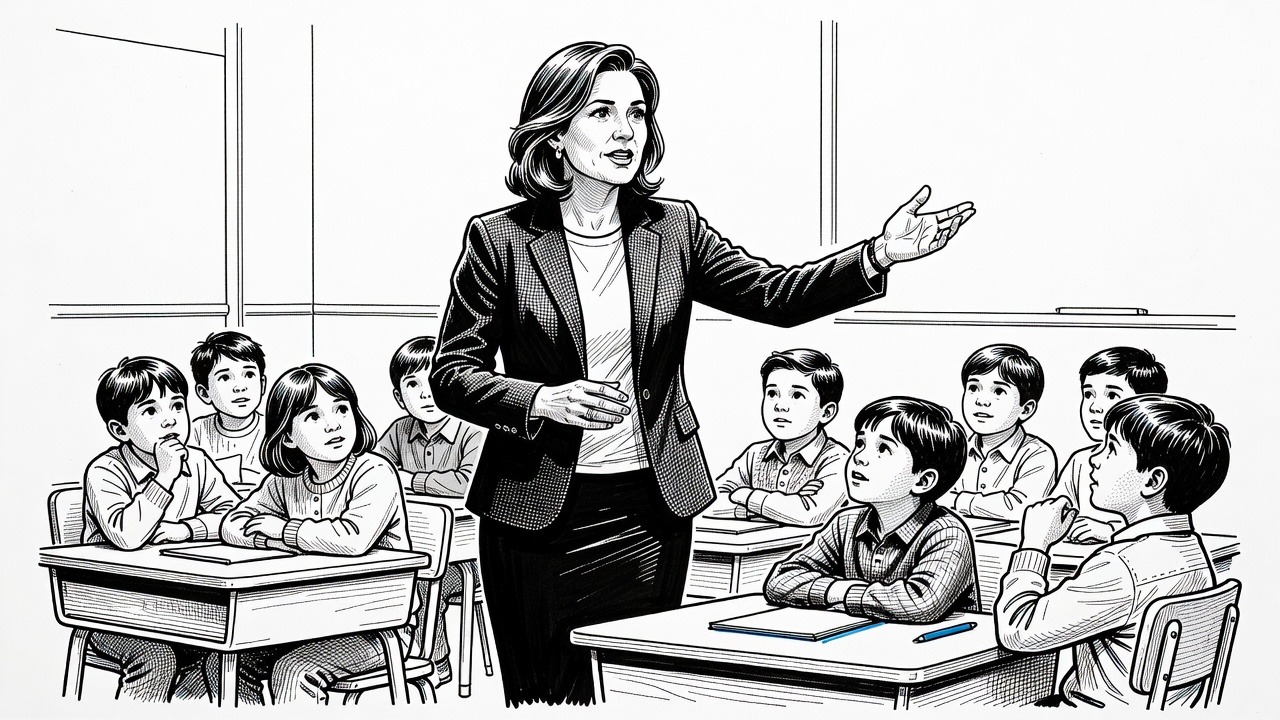
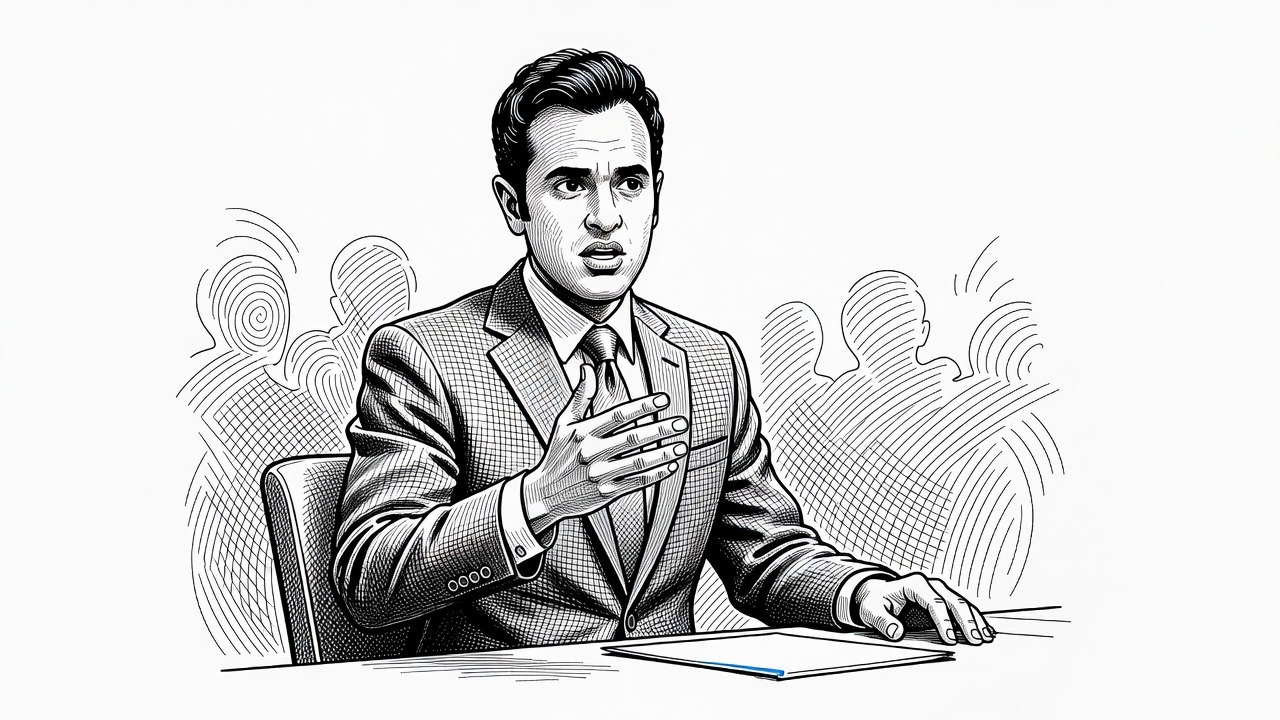
Ramaswamy's campaign has broken that rule on purpose. It put Donna Arthur, the mother Amy Acton hasn't spoken to since she was 12, in front of a camera to call her daughter dishonest. Acton has said her mother's husband sexually abused her as a child. Court proceedings were started against him, though the case never reached trial. The campaign knew the family's history. The history is the point. An estranged mother's testimony only works as an attack if viewers don't ask why the estrangement exists.
The defense will be that a mother is entitled to speak and voters are entitled to judge character. Fine. Arthur is an adult and can say what she likes. But a campaign that recruits her, scripts the setting, buys the airtime and aims it at a general-election audience is not offering a family's private grievance. It is using a family rupture, born of alleged abuse, as a weapon. There is nothing in Acton's public record that this ad illuminates. It tells voters nothing about her policies or her competence. It only invites them to feel that something is wrong with her.
Then came Trump, who told Ramaswamy to keep running it. JD Vance went further and scolded the Republicans who objected. Vance made his name writing about a family torn apart by dysfunction and addiction. He knows what it is to have a childhood become public property. He seems to have concluded that the lesson is that it's useful.
The Ohio Republicans who did object deserve a hard look, because their objections are a study in how to condemn something while doing nothing about it. Gov. Mike DeWine called the ad deeply troubling and asked that it come down. He is still endorsing the man who made it. This is the same DeWine who appointed Acton to run the state health department and stood beside her as she became the face of Ohio's early pandemic response. He knows who she is. He knows what this ad does to her. His endorsement is the one lever he holds, and he won't touch it.
Sen. Husted and Secretary of State LaRose said they wouldn't have run the ad themselves. That is a statement about their own taste, not a judgment of the thing. It's the political equivalent of saying you personally wouldn't have thrown the punch while standing next to the puncher at the victory party. Rob Portman at least called for withdrawal, though he holds no office and risks nothing.
This is how norms die. Nobody repeals them. The party leader waves the line away, the deputy mocks the dissenters, and everyone else offers private discomfort and public loyalty. The moment the ad's backers sensed that discomfort wouldn't cost them anything, the ad stayed up.
The cost lands beyond Acton. Every adult who survived what she says she survived is watching a major party treat that history as a legitimate opening for a smear. Every future candidate with a painful family story is watching too, and some will decide the job isn't worth it.
Democrats should resist the temptation to answer in kind, and Ohio voters should ask a simple question. If Ramaswamy's campaign will use this against an opponent, what won't it use? Republicans who say they're troubled have one tool left. They can withhold their endorsements until the ad is pulled. Anything short of that is just throat-clearing.