Donald Trump wants $10 billion from a British broadcaster. He does not want to answer a single question under oath about why he deserves it.
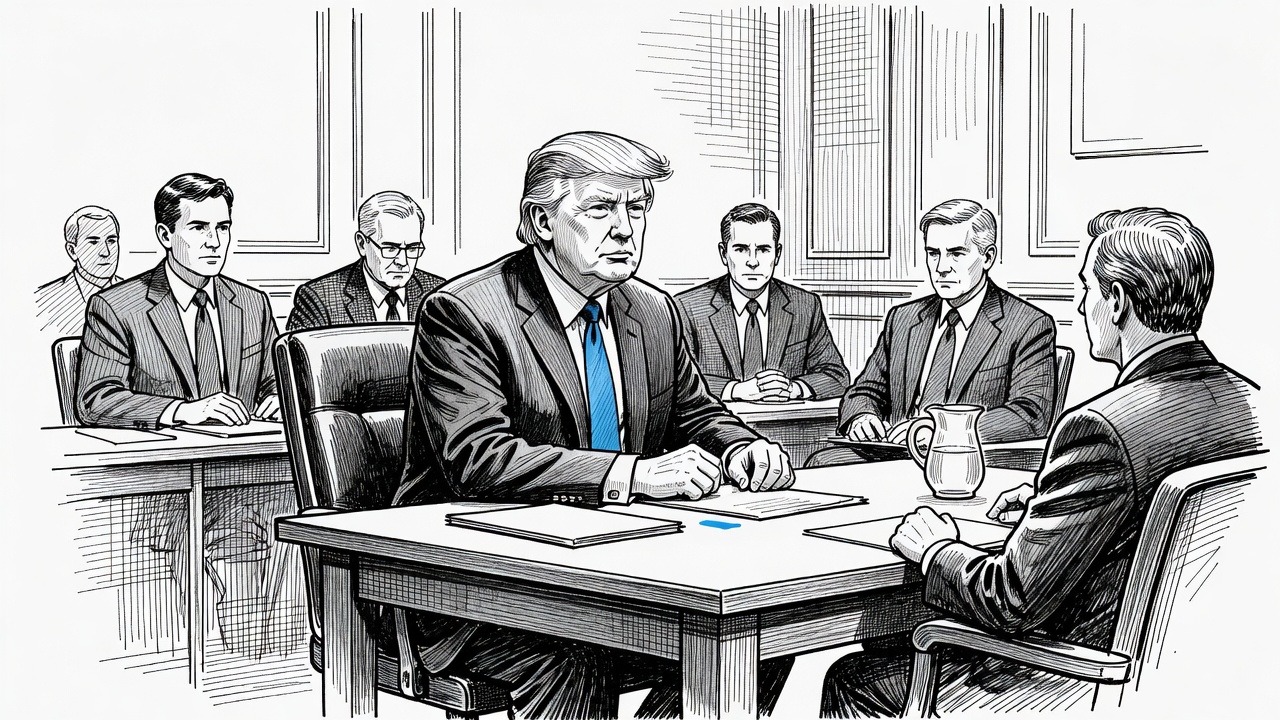
That is the real story behind Magistrate Judge Enjoliqué Lett's order that the president sit for a deposition by Dec. 11. He canceled his October date citing a matter of national importance. The BBC's lawyer told the court that on that day he was campaigning in Georgia. Presidents have real duties, and campaigning is not one of them.
Let me concede what the Left should concede. The Panorama edit was bad journalism. Stitching together passages of the Jan. 6 speech delivered far apart and presenting them as continuous is the kind of manipulation that hands bad-faith critics a gift. The BBC has apologized, and the fallout was serious. Defending sloppy editing because the target is Trump would be exactly the tribal reflex we claim to despise.
But an error that has been acknowledged, apologized for and answered with leadership resignations is not a $10 billion injury. A defamation plaintiff has to show falsity, fault and damages. Damages is where this gets uncomfortable for the plaintiff. Trump won the election the documentary was supposedly meant to sway. To argue he was harmed, he has to open the door to questions about his reputation, his finances and what he actually lost. A deposition is how those questions get asked. Plainly, he doesn't want them asked.
That is the point of the exercise. Trump's media litigation has worked as a pressure campaign more than as a legal strategy. ABC paid $15 million. Paramount paid $16 million while it needed federal approval for a merger. Those settlements bought peace from an administration with regulatory leverage. The BBC has no FCC license in Miami to hold hostage and has so far chosen to fight. Once a defendant fights, a suit like this runs on the logic of ordinary civil procedure: you make the claim, you hand over the documents, you sit in the chair.
The Supreme Court settled the principle nearly three decades ago in *Clinton v. Jones*. A sitting president can be made to answer in civil court for unofficial conduct, and the demands of the office do not buy automatic delay. Conservatives cheered that ruling when the defendant was a Democrat. Trump is not even the defendant here. He is the plaintiff, the one who picked the forum, the timing and the dollar figure. A plaintiff who files suit and then claims the presidency exempts him from the discovery that comes with it is asking for a one-way courthouse.
We should also say what this case looks like to everyone who does not have a presidential schedule. A tenant who skips a deposition gets a default judgment. A worker suing for unpaid wages who ignores discovery orders gets dismissed. Judge Lett's warning, that noncompliance could end the case, is just what any ordinary litigant would hear. The only unusual thing is how much the court seems to need to say it out loud to this plaintiff.
There is a free-speech irony, too. The president has spent years casting himself as the victim of a press that distorts what he says. If so, he should relish the chance to sit under oath and set the record straight on what he meant on Jan. 6, what he knew, and what harm he suffered. Under oath, the stakes of every answer change. Perjury is a different matter from a rally riff.
A president who wants to use the courts to punish the press must also be willing to submit to the courts. Judge Lett has said so. Dec. 11 will show whether he agrees.