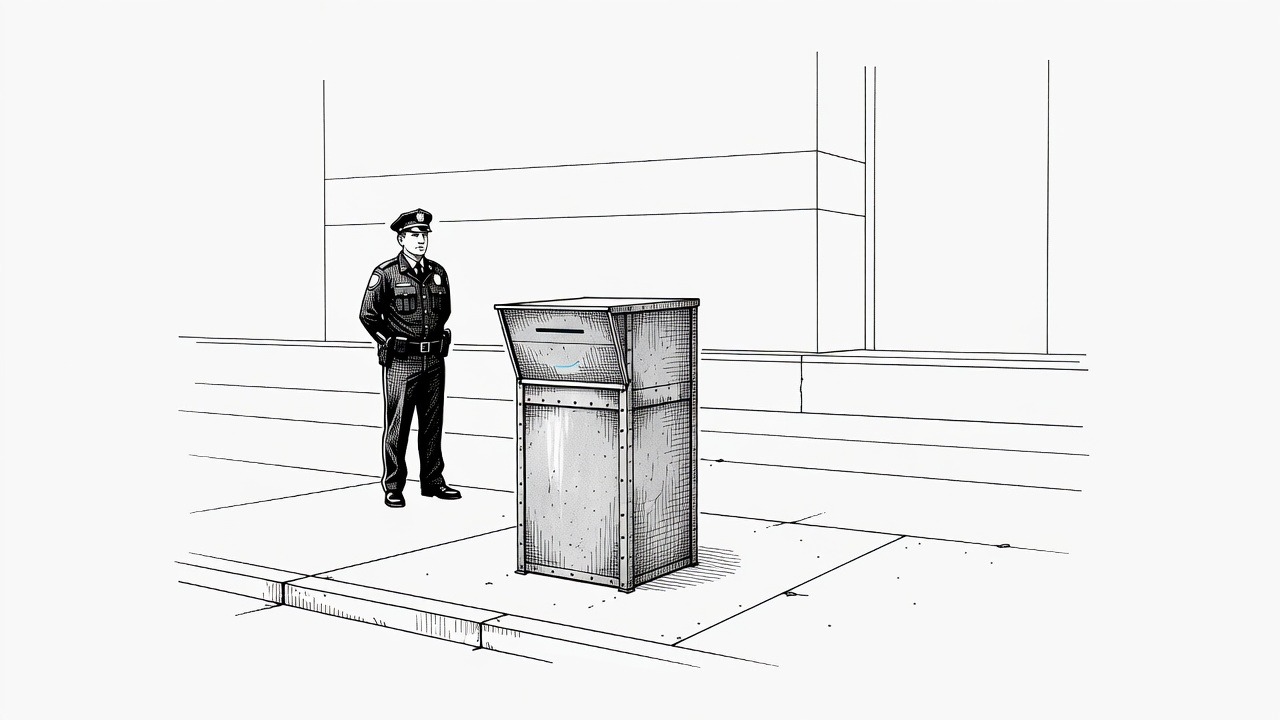
Buried in a market wrap about stocks rising is the most honest sentence of the week. Elon Musk says the main constraints on adding AI computing capacity are power, cooling and electrical equipment. Translate that from billionaire to English. The limit on the AI boom is not genius or software. It is the electrical grid, the water supply and the transformers, the things the rest of us share and pay for.
Now look at who collects. Nebius says prices for compute are rising faster than expected. SpaceX's AI revenue is up ninefold. Shares of Nebius, CoreWeave, Iren and Applied Digital jump on the news. This is scarcity pricing, and those holding the scarce thing are getting rich. Meanwhile, the scarce inputs are being fought over in places where ordinary households have no seat at the table.
We already have a preview. In the mid-Atlantic grid operator PJM, capacity costs have exploded, and the market's independent monitor has pinned much of the increase on data-center demand. Those costs land on utility bills, and residential customers pay them. A retiree in Ohio or a bakery in Maryland is effectively co-signing a loan for a server farm they will never enter. The data-center developer gets the upside of the contract. The ratepayer gets the rate case.
The defense is predictable: demand is real, revenue is real, this is the economy of the future, and grid investment helps everyone eventually. Some of that is true. The demand is not imaginary, and no serious person thinks we should leave transmission lines to rot. But "eventually" is carrying a heavy load. Nobody is asking whether AI will use electricity. They are asking who finances the new generation and lines, who bears the risk if the projections are wrong, and why the answer keeps being "everyone, quietly, on the monthly bill."
Then there is the debt. The article almost tosses it off: investors are scrutinizing borrowing costs among companies funding construction, and CoreWeave's credit default swap spreads and bond yields have risen. Nebius takes pains to say it is not CoreWeave. Fine. But that is the anxiety of an industry that knows what a leveraged buildout looks like when the music slows. We have seen this movie with fiber in 2001 and with housing in 2008. In the first, the cables were real and the investors were wiped out anyway. In the second, the losses were socialized after the profits were privatized.
American politics has a bad habit here. When these companies are winning, they are visionary risk-takers who deserve to be left alone. When the bonds wobble, they become too important to fail, a matter of national competitiveness and a race with China. Any official who now cheers this buildout without insisting on terms is preparing the bailout speech in advance.
The terms are not exotic. Large data centers should pay the full cost of the power capacity they force utilities to build, under tariffs that shield residential customers. Developers should bring their own generation or commit to long-term contracts that outlast their hype cycle. Water and cooling use should be disclosed and priced, not negotiated in secret under nondisclosure agreements with desperate county commissions. Tax abatements should come with enforceable jobs and community benefits, and a few dozen permanent jobs per giant facility should not qualify. And lenders and sponsors, not taxpayers, should hold the loss if overbuilt capacity goes dark.
Democrats should be loudest here, and too many are timid, afraid of being cast as anti-growth. This is not an anti-growth argument. It is the oldest argument in economics: whoever captures the gain should carry the cost. If compute is as valuable as Wall Street insists, its owners can afford to pay for the grid it depends on. If they cannot, then the boom is subsidized by everyone else, and we should stop calling it a miracle.
How it may affect me
If you live in a region served by a grid with heavy data-center growth, such as PJM states, your electricity bill may rise partly because of capacity costs tied to that demand. Check your utility's rate filings and your state commission's large-load tariff proceedings. Local hearings on data-center tax breaks and water use are also where residents can still shape the terms.