Let's start with what Ilhan Omar's defenders should concede, because the argument is stronger for it. A member of Congress is not above the law. The speech or debate clause protects legislative acts, not every private act of a lawmaker. A judge signed this warrant, and investigators reportedly notified the House's top counsel. If there is real evidence of immigration fraud, Omar should answer for it like anyone else.
But the question is not whether Omar is immune. It is whether this investigation is a search for evidence or a search for a pretext.
The president has already said Omar could face prison and deportation. No charges have been announced, and no new evidence has been shown. That is backward. In a country governed by law, evidence builds toward a conclusion. Here the conclusion came first, and the agents are now looking for something to fit it. Tom Homan says the next steps will depend on what investigators find. That is a strange thing to say when his boss has already told the country what they'll find.
The history matters, and the Bare Story only hints at it. Trump has spent years claiming, without proof, that Omar married her brother. He has told her to "go back" to where she came from. She arrived in the United States as a child refugee from Somalia and became a citizen as a teenager. She has been one of his most hated critics for nearly a decade. Now her phone, which holds her constituent contacts, her political strategy and her private communications, is in federal hands just before a midterm election.
This administration has also earned the suspicion. Its prosecutions of Trump's enemies have collapsed in embarrassing ways, including the cases against James Comey and Letitia James, which were thrown out because the prosecutor who brought them was unlawfully appointed. Prosecutors with real cases don't usually have that problem. When a president treats the Justice Department as the enforcement arm of his grudges, a signed warrant is not a certificate of good faith. Judges approve warrants on the facts the government shows them, and the public has not seen those facts.
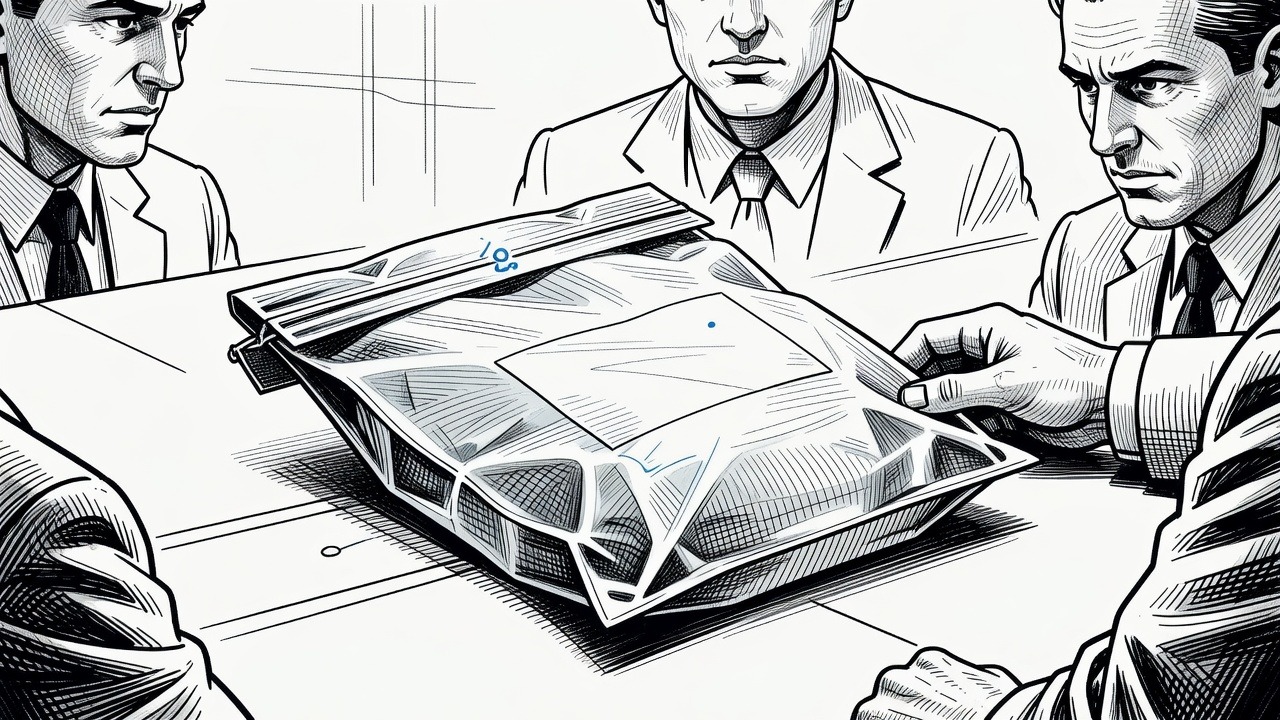
The phone is where the constitutional danger lies. A lawmaker's phone is not just personal property. It holds communications with staff, colleagues, advocates and whistleblowers, some of them plainly legislative. The Constitution protects that material so the executive branch cannot rummage through the work of a coequal branch. The reported plan to have a court decide what can be reviewed is the right instinct. It should be an independent process with real teeth, not a government filter team grading its own homework. If investigators already have the phone, that process is the only thing standing between a criminal inquiry and a fishing expedition into the opposition's playbook.
There is a broader stake here, and it reaches well beyond Omar. Naturalized citizens are told that their citizenship is as secure as anyone else's. Denaturalization is supposed to be rare, tied to proven fraud in the original process, and decided by a court. When the president talks about deporting a sitting congresswoman because she's a critic, he is saying something else: that for some Americans, citizenship lasts only as long as they stay politically useful or quiet. A Somali-born Muslim woman in Congress is the perfect test case for that idea, which is why it should alarm everyone.
Democrats should be careful here as well. Hiding behind constitutional privilege would hand Republicans an easy line. The stronger move is to demand maximum transparency from the government: show the probable-cause affidavit, keep the phone sealed until a neutral judge sets the rules, and explain why a case supposedly about old immigration paperwork needed a dawn search of a sitting member's home. If the evidence is real, it can survive scrutiny. If it can't, then the president has told us what this is.