Before anyone gets to the grisly details, ask a plainer question: who was looking for these women, and for how long?
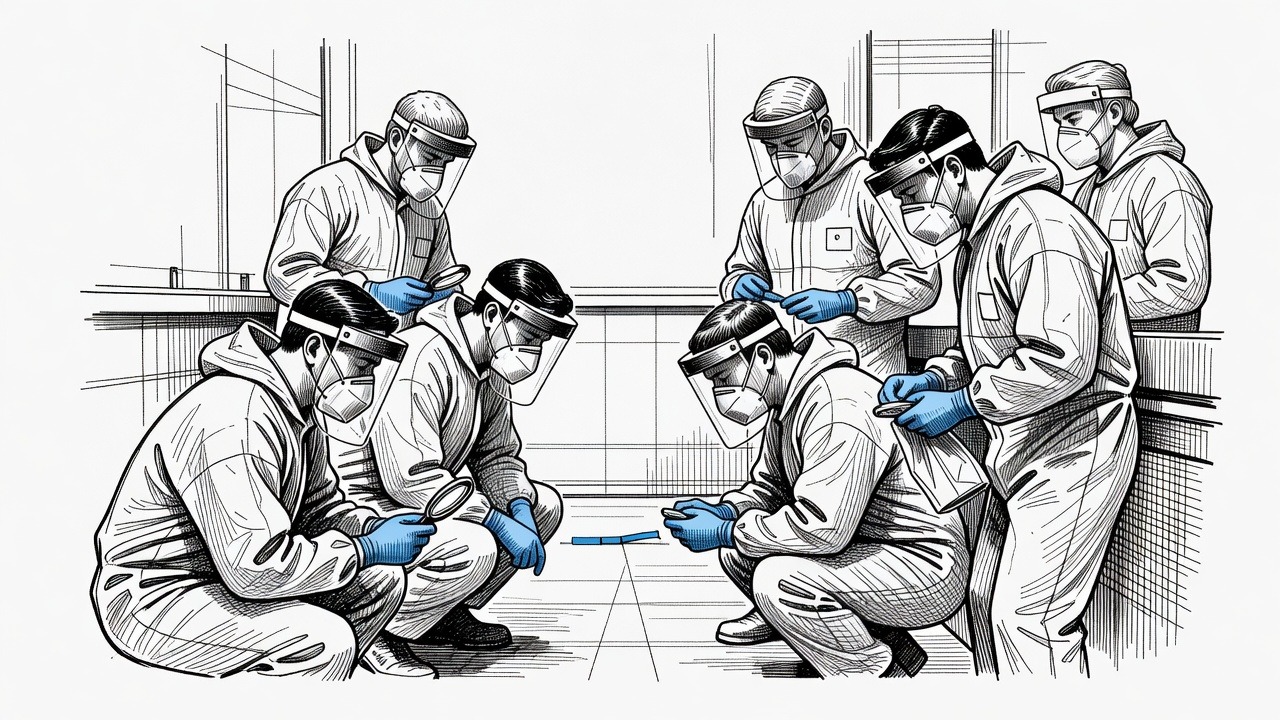
Investigators are digging up a backyard on West Chew Avenue. Police say recovered images and videos depict four of at least seven missing women. A man in custody on separate charges has not been charged in the disappearances. We should hold that line hard. The presumption of innocence is not a technicality, and a left that claims to care about the power of the state should not abandon it because the story is horrifying. Bones have been found, but no one yet knows whether they are human or connected. Let the evidence do its work.
But the case already raises a question that does not depend on who is eventually charged. How does a city accumulate seven missing women before the machinery of government treats it as a pattern?
We know how this usually works. When a missing woman is young, white, affluent and photogenic, the country gets days of cable coverage, search teams and federal attention. When she is poor, struggling, or living at the edge of the places the city prefers not to look, her disappearance becomes a line in a database, if that. Families describe the same experience again and again: calls that go unreturned, reports treated as a woman who "left on her own," a case that sits until someone with more power decides it matters. Adults are allowed to disappear, the logic goes, and so nobody is responsible when they do.
I don't yet know the full circumstances of these seven women, and I won't pretend to. That is part of the point. Their families' stories should not be filled in by speculation. But the structure is familiar. Missing-persons work is one of the least glamorous, least funded corners of public safety. There is no adult equivalent of the AMBER Alert. Data on missing adults is scattered across jurisdictions, and linking cases depends on overworked detectives noticing connections that no system is built to surface. Too often it takes a break from some other direction, like a separate arrest or a seized device, before anyone sees the pattern.
That should bother people across the political spectrum, but it should especially bother those of us who argue that public institutions are only as good as the people they are willing to serve. Conservatives will talk, rightly, about the primacy of public safety. Fine. Then public safety has to include the women whose absence does not trend. A police department that can mobilize overwhelming force for a downtown protest should be able to staff a unit that follows up when a woman stops answering her phone.
The left has its own reckoning here. We have spent years in a necessary fight over what policing should be, and we have been better at saying what police should stop doing than at insisting on what they must do well. Investigating the disappearance of vulnerable people is not an optional extra. It is the kind of unglamorous competence a serious progressive politics should demand: funded medical examiners, forensic labs without backlogs, cross-agency data sharing, trained detectives, and a standard that does not vary with a victim's zip code or résumé.
It is good that federal and city investigators are working this site together. Now judge them by what comes after: whether families get answers, whether the remains are identified quickly and respectfully, and whether the city learns why it took this long. If we cannot find women until a backyard is being dug up, the failure did not begin on West Chew Avenue.
How it may affect me
If an adult you know is missing, report it to police immediately; there is no required waiting period. Keep recent photos, phone details and contacts ready, and ask whether the case has been entered into NamUs, the national missing and unidentified persons database. Anyone with information about this investigation should contact Philadelphia police.