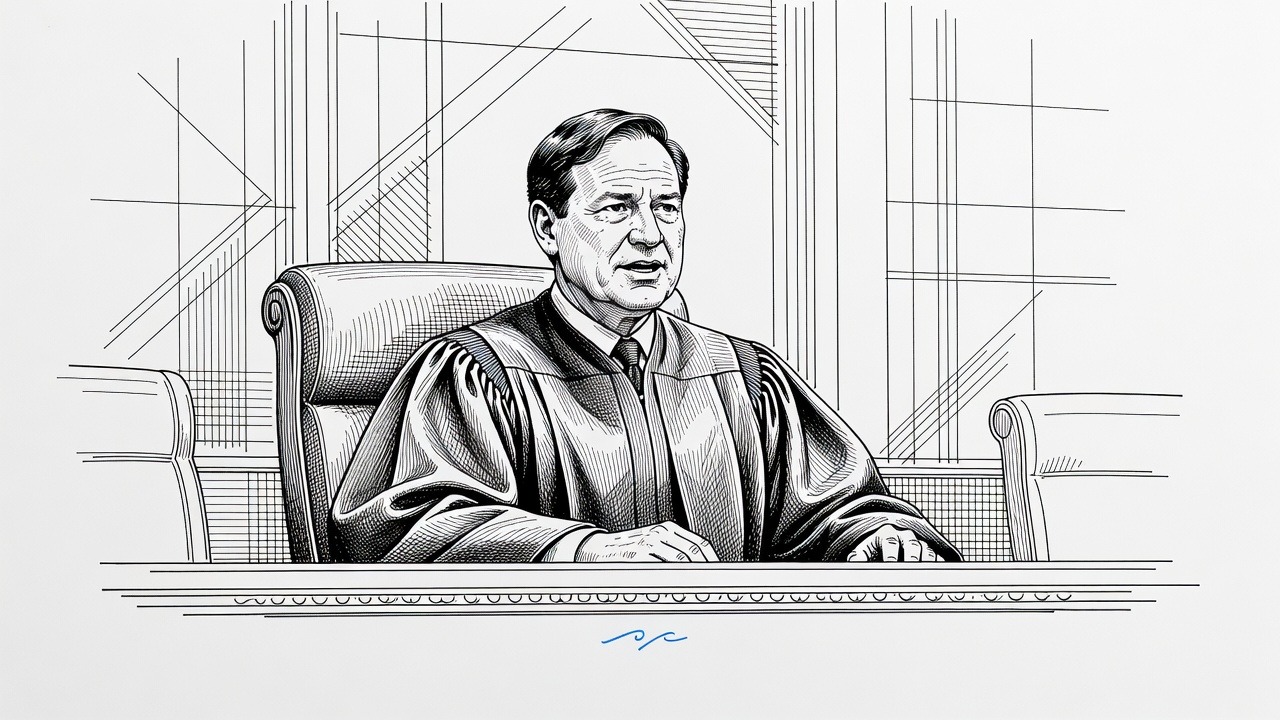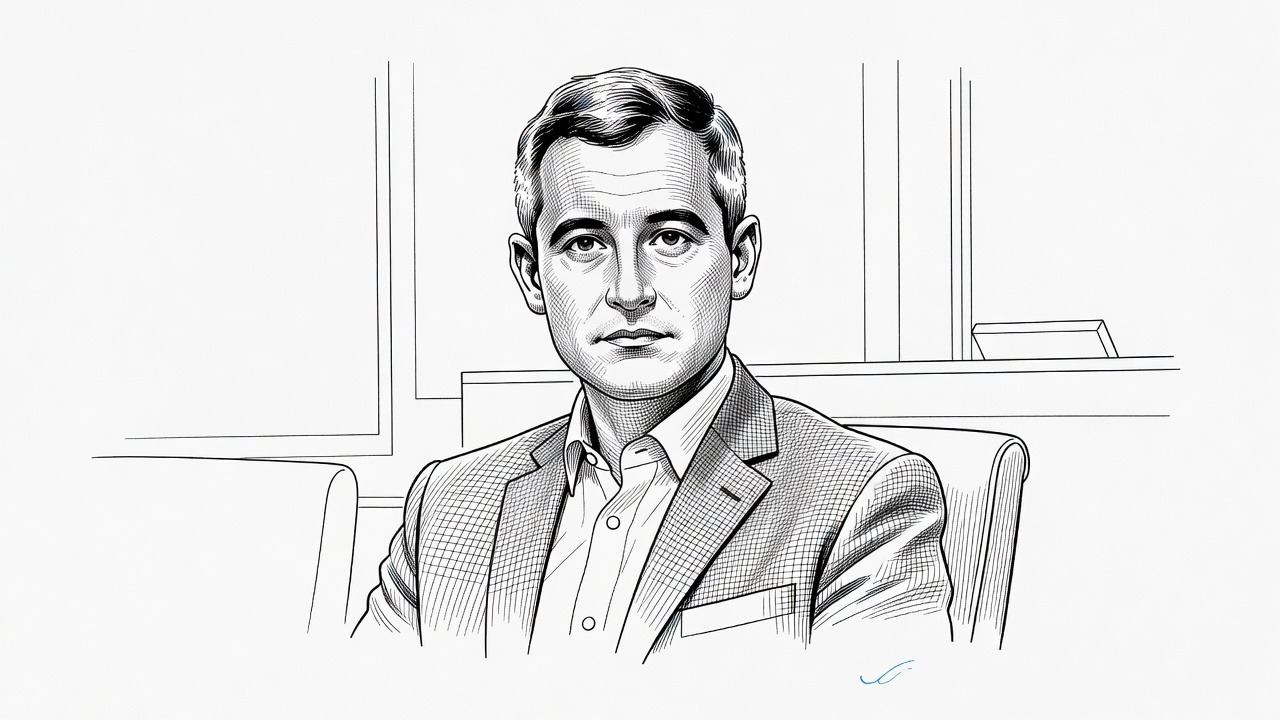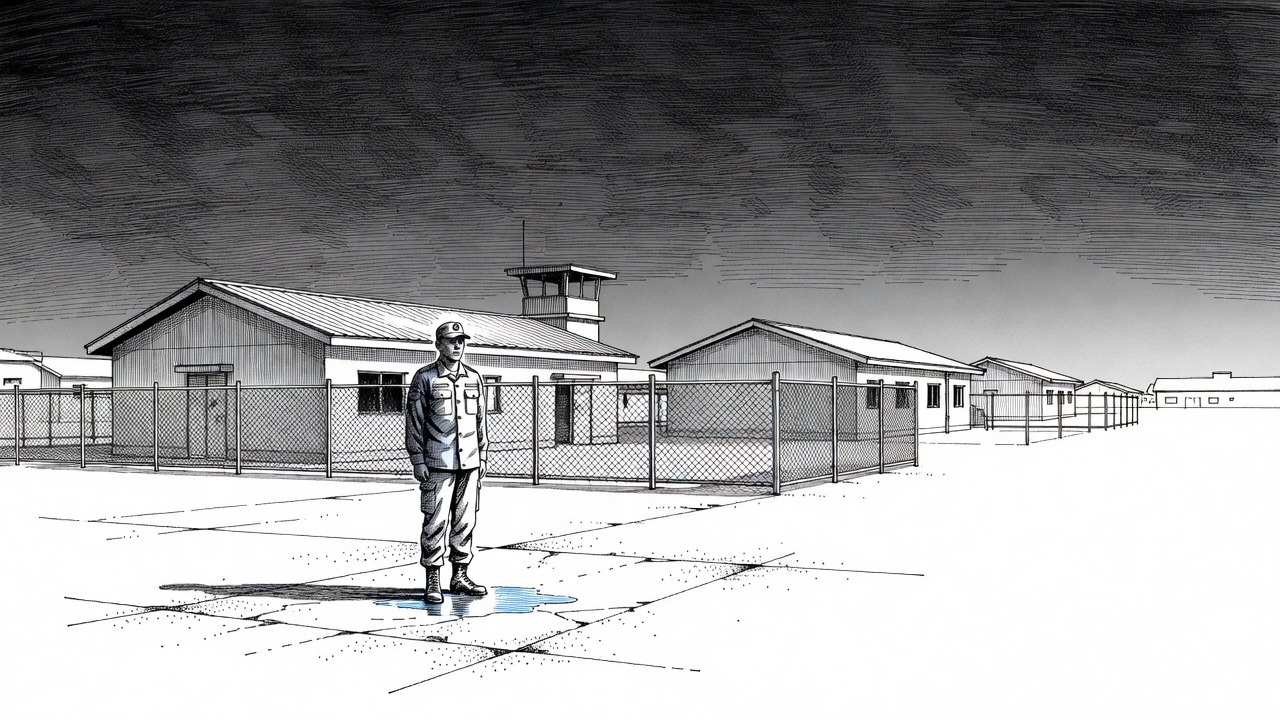
Whenever a serious crime puts the bases in the headlines, American commanders in Okinawa have a familiar response: a pause. Liberty is suspended, the bars are off limits, and there is training on "standards" and "discipline." The ritual is meant to show that the military takes a death seriously. What it mainly shows is who gets to decide what seriousness looks like, and that it is not the people of Okinawa.
The facts here are grave and still unproven. A 20-year-old Marine is accused of killing Anna Yagi, 39, in a Naha hotel and taking her backpack and wallet. He denies it, and he should get the presumption of innocence that any defendant deserves. But the commander's response was never really about this one man. A 48-hour pause and a 30-day overnight curfew are collective measures. They implicitly concede that the problem is the population on the base, not one bad actor.
That concession is more honest than the language around it. Lt. Gen. Watson's measures treat the problem as a matter of morale, alcohol and late hours. These are real risk factors, but they are the easiest to fix because they require no change in the arrangement itself. A curfew from midnight to 5 a.m. for 30 days is a gesture with a built-in expiration date. It will lapse when the headlines do. The structural fact will remain: a large force of young, newly deployed men, trained for violence, sits in a dense, small island community that never chose to host them in this concentration.
That is the part conventional coverage tends to treat as background. Okinawa is a small fraction of Japan's land area and carries a vastly disproportionate share of the U.S. military footprint in the country. Okinawans have objected for decades, through elections and protests, and a long record of incidents has fed a deep distrust. Governor Genta Koja's trip to Tokyo shows the shape of the problem. The elected leader of the people living next to the bases has to travel to the capital to ask the prime minister and defense minister to ask Washington to do something. Koja "called for a reduction in the burden." Koizumi said he "would discuss preventative measures." Talking about prevention is what governments do when they want to look responsive without committing to anything.
The strongest case on the other side deserves a fair hearing. The alliance underwrites Japan's security in a tense region, most Marines commit no crimes, and a force that disciplines itself quickly is better than one that stonewalls. All of that may be true. But it is an argument about national security, and national security is a shared good. If the alliance benefits all of Japan and the United States, then its costs, including the risk to women on an island that did not volunteer for the role, cannot be assigned mainly to one prefecture. "Necessary for everyone" cannot honestly mean "borne by Okinawa." The remedy is not mainly better curfews. It is a real redistribution of the footprint, plus oversight that gives local authorities a say rather than a briefing.
The measures also leave out accountability. A pause with "discipline and standards training" is the military investigating itself and finding that what it needs is more of its own programming. A serious response would include transparency about how often servicemembers are involved in violent incidents, independent review of how personnel are screened and supported, and a renegotiated status-of-forces arrangement that does not leave local communities feeling that justice depends on political pressure in each case. None of this has been announced. What has been announced is a calendar item.
A left perspective should be careful not to turn a 20-year-old into a symbol before a court has weighed the evidence. But it should refuse the opposite error, treating the incident as an isolated lapse. The victim was a woman going about her life in her own city. The institutions that should prevent such harm answer to capitals far from her. That asymmetry, more than any hour on the clock, is what needs to change.
How it may affect me
For people in Okinawa, especially women, the immediate effect is a short, visible reduction in nighttime contact with service members, which may bring some temporary reassurance. But the curfew is set for only 30 days, so it is unlikely to change daily risk or trust unless it leads to lasting rules. The longer-term stakes are who controls the terms of the bases: whether local officials get binding input on discipline, transparency and burden-sharing, or only consultation after each incident. If the response stays limited to temporary restrictions, residents are likely to keep carrying the security and safety costs of a defense arrangement that benefits the wider country, while the pattern of crisis, pause and quiet repeats. For service members, the pause punishes the many for an accusation against one, and it leaves untouched the deeper questions of support, supervision and accountability. For the accused, the case still has to run through the Japanese legal process, where guilt has not been established.