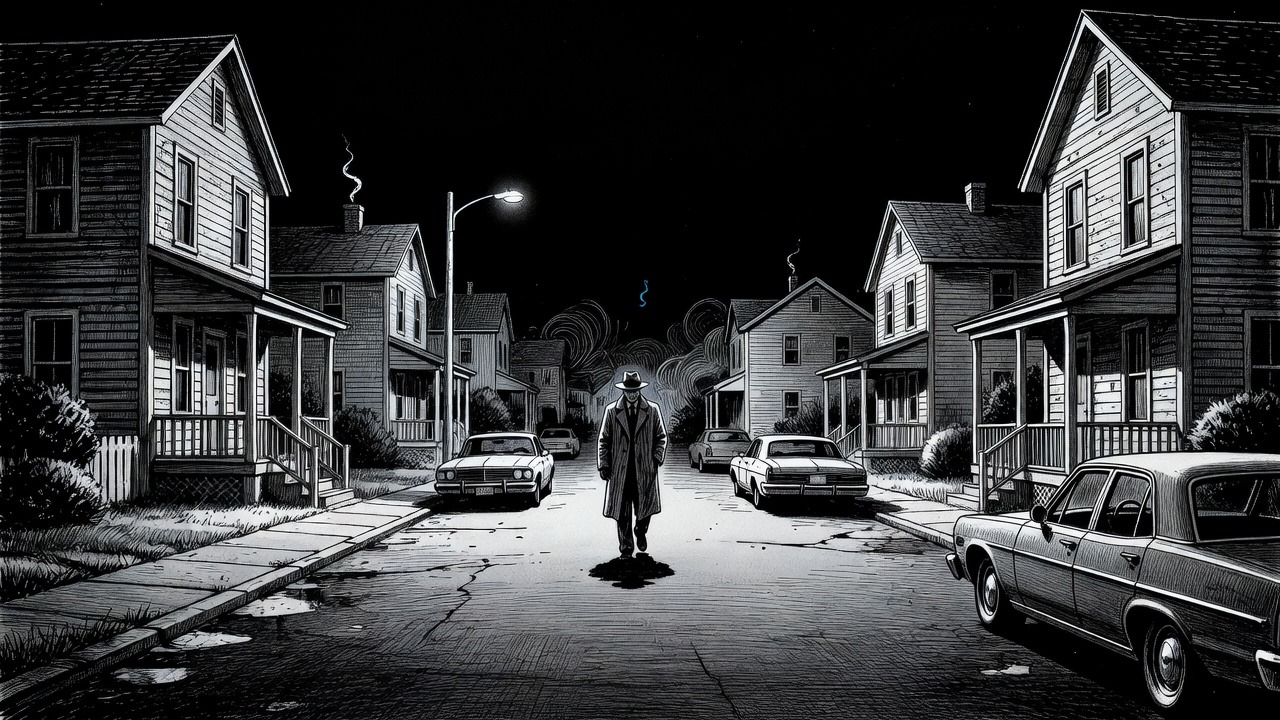
A block party on a summer-adjacent weekend should be one of the simplest expressions of ordinary life: neighbors sharing music, food, and public space without having to pay an admission fee or pass through a security turnstile. That thirty-seven people were shot on Pine Street in Vienna, Georgia—leaving two young men dead at 20 and 23—is an indictment not only of whoever pulled the trigger, but of a political order that has systematically surrendered the public commons to the cult of unregulated lethal force.
Political rhetoric often frames gun violence as an intractable urban pathology, allowing state and federal lawmakers to evade accountability by writing off victims in major cities. But Vienna is a rural town of fewer than three thousand residents in central Georgia. What happened on Pine Street exposes the profound lie at the heart of our gun debates: that an armed society is a polite or self-policing one. When the market is flooded with high-capacity firearms, the inevitable result is that any spontaneous conflict or localized dispute escalates instantly into a mass-casualty triage event, capable of overwhelming the limited medical and emergency resources of an entire rural county.
This is where the structural abandonment becomes clearest. For years, Georgia’s leadership has prioritized the aggressive deregulation of firearms while presiding over the steady erosion of rural healthcare networks and underinvesting in community-level violence prevention. When carnage arrives, the state responds with forensic teams and yellow tape, treating mass trauma purely as a matter of post-hoc law enforcement rather than the predictable public health emergency it is. A society that genuinely values freedom must guarantee the freedom to gather in the street without risking a bullet; until our politics treats communal safety as a non-negotiable public good rather than an afterthought, rural and working-class communities will keep paying the price in blood.
How it may affect me
For the residents of Vienna and surrounding Dooly County, the immediate aftermath means navigating profound personal grief alongside the logistical strain of a local healthcare system forced to absorb dozens of gunshot victims. In working-class rural areas where specialized trauma centers are often hours away and medical debt can be financially catastrophic, surviving victims and their families will likely face grueling recoveries paired with immense economic hardship. Over the longer term, mass shootings in small communities inflict a chilling effect on everyday civic life, eroding trust, fracturing neighborhood cohesion, and leaving residents to wonder whether any outdoor gathering—from church picnics to street celebrations—can ever truly be safe again.