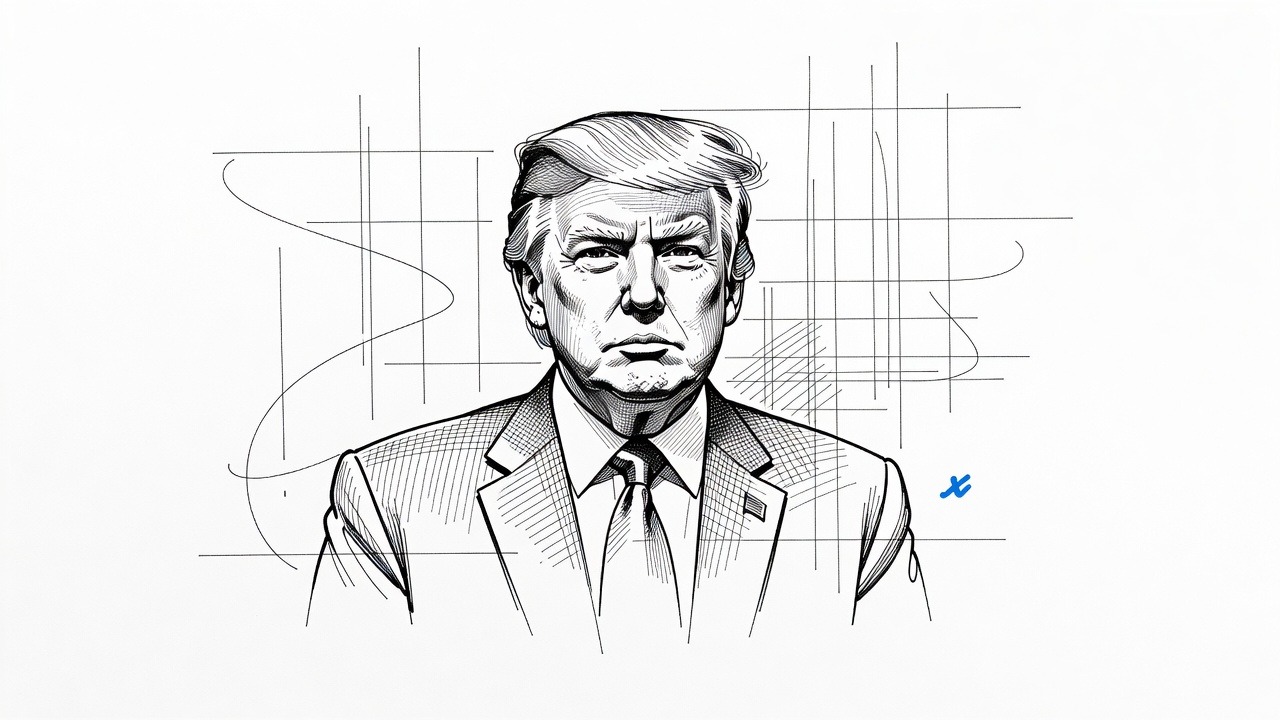
Strip away the spectacle and this is a straightforward exercise in electoral mechanics, not a grand political statement. Trump's framing that the midterms hinge on 35 to 40 competitive races is, frankly, the correct way to think about it. National polling narratives make for good cable television, but House and Senate control is decided seat by seat, often by a few thousand votes in a handful of districts. Crediting that framing isn't partisan; it's just accurate political arithmetic, and it's worth noting when a politician describes the landscape realistically instead of inflating it.
What's more interesting is what the itinerary reveals rather than what was said. Naming Texas as a state of concern is a mild admission against interest. Texas has not been considered a genuine Republican worry in recent cycles, so flagging it suggests either real internal polling anxiety or at minimum a belief that suburban and down-ballot erosion is a live risk. That's a more credible signal than the stump rhetoric itself.
The Oklahoma stop is harder to justify on pure vote-math grounds. Oklahoma isn't competitive, by Trump's own admission, so the marginal electoral value of a presidential visit there is close to zero. The likelier purpose is turnout conditioning and media amplification: energizing base voters and donors in safe territory in hopes that enthusiasm spills into neighboring contested districts, and generating coverage that reinforces momentum narratives heading into October. That's a legitimate campaign tactic, but it's optics-and-mobilization strategy, not vote-efficient targeting.
The larger uncertainty is whether presidential barnstorming actually moves down-ballot outcomes much at all. Turnout operations, candidate quality, and local conditions in each of those 35 to 40 races typically matter more than a single high-profile visit. A popular rally generates energy, but it can just as easily mobilize opposition turnout as it does supportive turnout, especially in suburban swing districts where this president's approval has historically been uneven. Scheduling more appearances with the vice president in October signals the campaign expects the race to tighten, not loosen, which is itself a useful piece of information for anyone trying to gauge how close Republicans think control of Congress actually is.
How it may affect me
For most readers, the immediate effect is simply more campaign noise: increased advertising, local disruption around rally sites, and heavier political coverage in the named swing states and districts over the coming weeks. That's a short-term nuisance, not a policy change.
The consequences that actually matter sit further out. Which party controls Congress after these 35 to 40 races will shape whether the current administration's agenda moves easily or stalls into gridlock for the remainder of the term, affecting everything from budget fights to regulatory priorities. If you live in one of the genuinely contested districts, especially in a state like Texas or Michigan that Trump himself flagged as uncertain, expect your mailbox, inbox, and local airwaves to be saturated with turnout messaging between now and the midterms. If you're in a solidly safe state like Oklahoma, the practical effect of a presidential visit is mostly symbolic and unlikely to change your ballot's weight in deciding national control. Whether any of this campaigning translates into actual seat flips remains uncertain and will depend far more on local turnout operations than on any single rally.