One hundred and seventy-four people were in the air between Dubai and Tel Aviv when the flight deck stopped being a place of command and became the scene of an altercation. That is the fact that matters. It should not be softened into a travel inconvenience, and it should not be inflated into a story the investigation has not yet told.
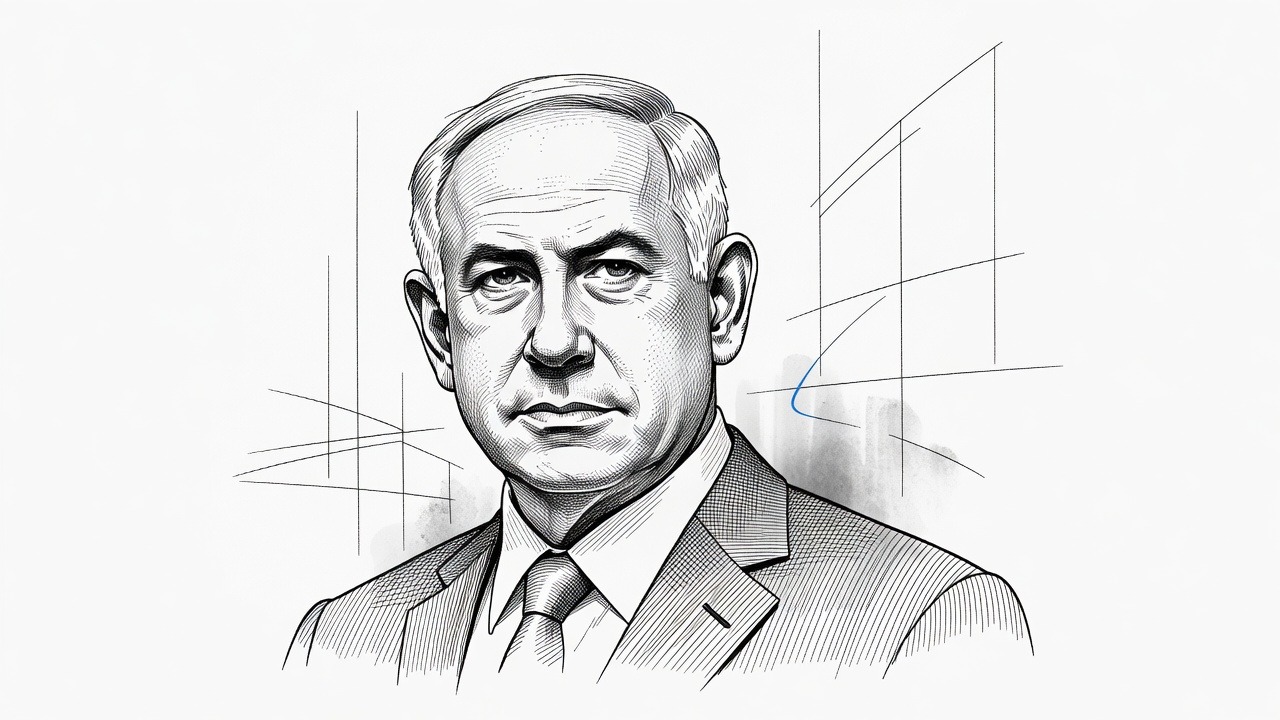
What is established is serious enough. FlyDubai Flight FZ1073 diverted to Tabuk and landed safely. The captain, Indian national Smit Machchhar, was injured and hospitalized in stable condition. Accounts of the flight cite sharp changes in altitude before the aircraft was secured. Crew members and passengers intervened after the injured pilot opened the cockpit door. Other pilots on board took control, according to Israeli Prime Minister Benjamin Netanyahu. Saudi authorities detained an unidentified attacker for questioning. Most passengers later continued to Israel on a replacement aircraft.
What is not established should stay labeled as such. Netanyahu said the co-pilot stabbed the captain and tried to crash the aircraft. FlyDubai confirmed an altercation on the flight deck and did not provide details of any stabbing. The airline says the reasons remain unknown, the motive is under investigation, and the public should not speculate. A head of government's account and an airline's confirmed statement are not the same thing. Treating them as interchangeable is how a grave incident gets politicized before the facts are in. Refusing to say plainly what is already known is how institutions protect themselves while everyone else is left guessing.
The stake here is not a slogan. It is public order, and the integrity of a system millions of people trust with their lives. Cockpit security is not a courtesy. It is the barrier between a dispute and a catastrophe. When that barrier fails badly enough that an injured pilot opens the door and passengers have to help secure the airplane, the question is whether the rules and the chain of command did the job they exist to do. We do not yet know where this failed. We do know that crew, passengers, and other pilots closed a gap that should never have opened at altitude. That is personal responsibility in the oldest sense: people on the spot did what the moment required. It deserves plain respect, not a press-release shrug. So does the captain, alive and stable, and every passenger who landed in Saudi Arabia instead of becoming a statistic.
Saudi authorities did the basic work of a sovereign state. They detained the attacker for questioning. That is what the rule of law looks like in the first hours — custody, questions, evidence — not an instant narrative. Motive is unknown. Anyone filling that blank with a preferred political story is doing exactly what the airline warned against, and they should stop.
But "under investigation" is not a substitute for accountability. Airlines, regulators, and the governments involved owe the public a clear account of what happened on that flight deck, what those altitude changes meant, and whether cockpit security held or had to be improvised by the people in the cabin. Speculation is irresponsible. Silence dressed up as prudence is not much better. The investigation should be fast, factual, and public enough that the next crew, and the next passenger, can see that the lesson was actually learned.
How it may affect me
If you fly, the immediate outcome is both reassuring and unsettling. This aircraft landed safely, the injured captain is in stable condition, an attacker is in custody, and most passengers continued on a replacement flight. In the moment, crew, passengers, and other pilots held the line.
What may follow is less comfortable. Travelers could see tighter cockpit procedures and more cautious operations while authorities sort out what failed, especially on routes where a loss of control would be catastrophic. That friction is a cost worth paying if it is aimed at the actual failure rather than at theater.
If investigators confirm that control of the aircraft was genuinely at risk, passengers should expect airlines and regulators to revisit who is on the flight deck and how crews respond when the person meant to fly the plane becomes the danger. Those changes might mean more delays and less tolerance for ambiguity in the cabin. They might also mean that, next time, the people in the seats are not the backup plan.
Until motive and method are established, the practical risk for ordinary travelers is not a known new threat so much as an unresolved one. The airline is right to warn against speculation. That does not mean a cockpit altercation, sharp altitude changes, and an injured captain should be treated as a closed chapter. The question that may matter on your next flight is simple: if the flight deck fails, who is trained and able to take the airplane back — and will anyone tell you, plainly, what was learned at Tabuk?