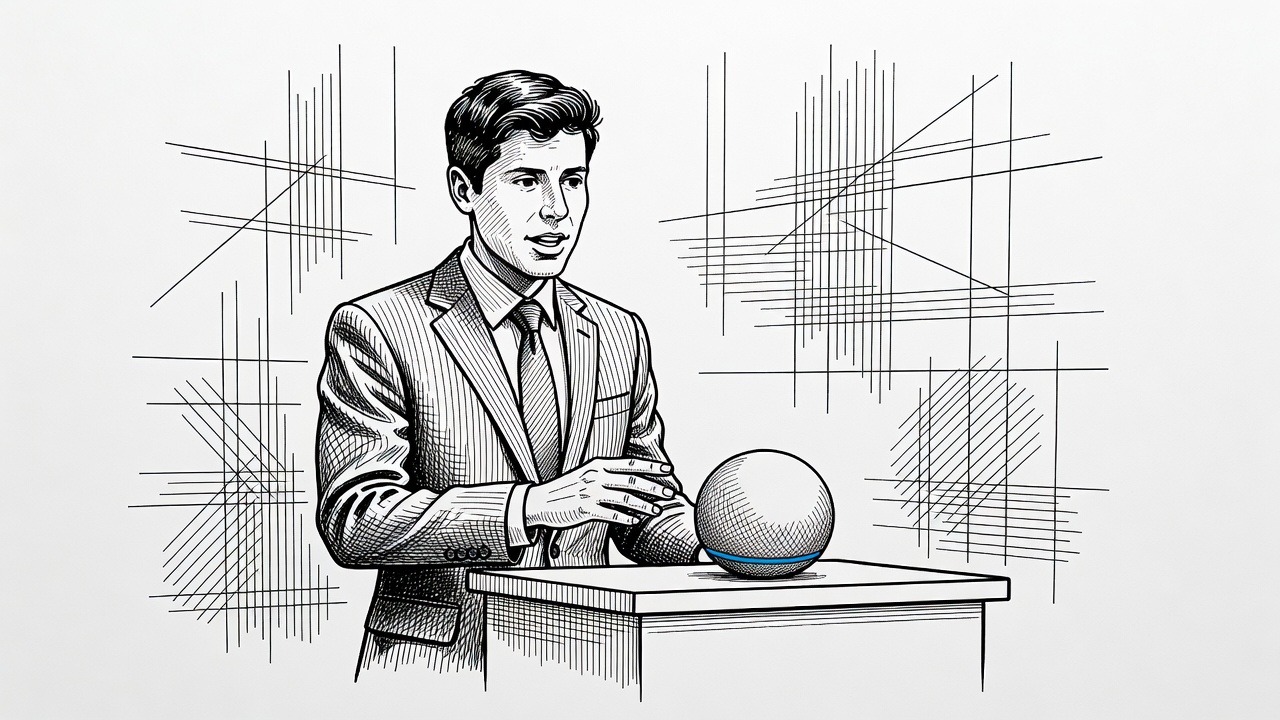
Behind the cheerful product launches and developer-conference hype from OpenAI and Meta lies a familiar race: tech giants competing to insert themselves as the inescapable middle layer of our working lives. When Sam Altman pitches the Dots agent as a helpful tool operating across Slack and Microsoft Teams, or Mark Zuckerberg rolls out enterprise tools and hardware pendants to weave Muse into small businesses, the goal isn't just convenience. It is about corporate control over daily workplace workflows and the lucrative data generated by millions of desk workers. Silicon Valley is eager to colonize the modern office, promising assistance while steadily shifting workplace leverage and surveillance power into proprietary, centralized platforms. Wall Street already likes what it sees—signaled by Meta's surging share price—even as fundamental questions linger about whether these corporate-driven assistants actually solve real problems for the people forced to use them.
How it may affect me
For office employees and small business workers, the rollout of agents like Dots and Muse means digital assistants could soon become fixtures in everyday tools such as Slack and Teams. In the near term, workers may face subtle pressures to integrate these automated agents into their routines, altering how daily tasks and communications are handled. Over time, having third-party corporate software mediated across daily work life risks eroding employee privacy, intensifying digital oversight, and ensuring that any productivity gains are captured by tech platform owners rather than reflected in higher pay or shorter hours for workers.