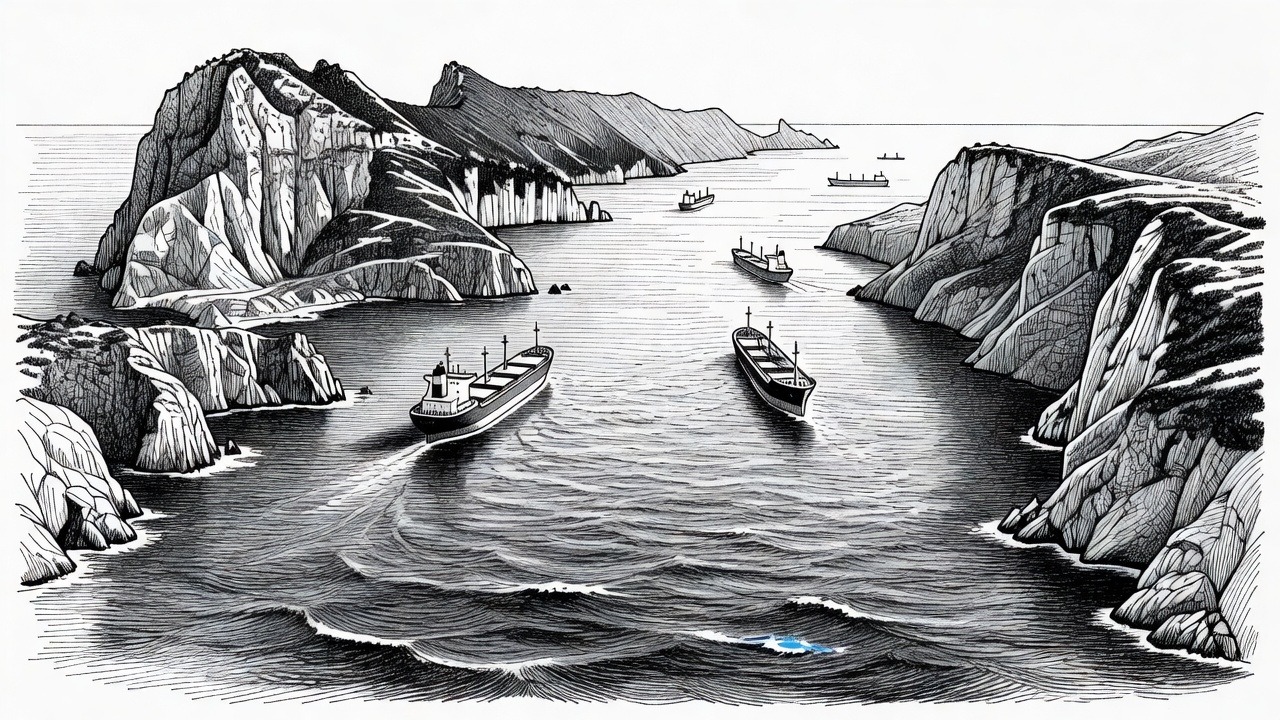
Seven months into a destructive regional conflict, the reality that Washington and Tehran are actively reviewing terms through Qatari mediators is a necessary step back from the brink. The core terms under discussion—a seven-day ceasefire and the phased reopening of the vital Strait of Hormuz—offer an essential framework for de-escalation. Yet the talks are already stumbling over procedural sequencing and political posturing. President Trump's immediate rejection of sanctions relief or the release of frozen funds underscores the persistent failure of coercive diplomacy: you cannot realistically demand de-escalation while entirely refusing to provide off-ramps. When states prioritize hardline leverage and punitive economic measures over genuine compromise, diplomatic windows close, leaving ordinary civilians to endure the fallout of protracted instability.
How it may affect me
A breakthrough in these negotiations could provide tangible relief to ordinary households. The Strait of Hormuz is a crucial international energy corridor; securing its phased reopening and establishing a ceasefire could help stabilize global fuel supplies and ease shipping bottlenecks that drive up consumer prices. If talks fail over sequencing or an unwillingness to offer economic concessions, working people will likely continue absorbing the cost through stubborn inflation, volatile energy bills, and the persistent threat of an expanded conflict that diverts public resources toward war.