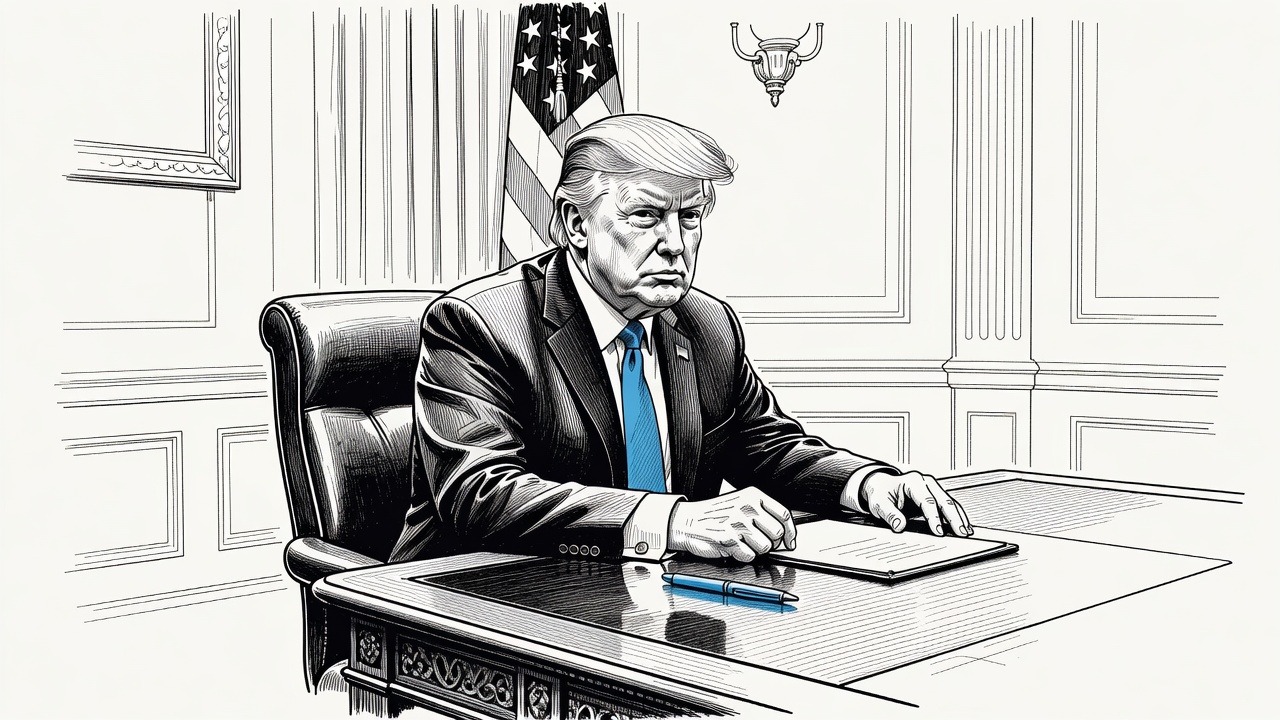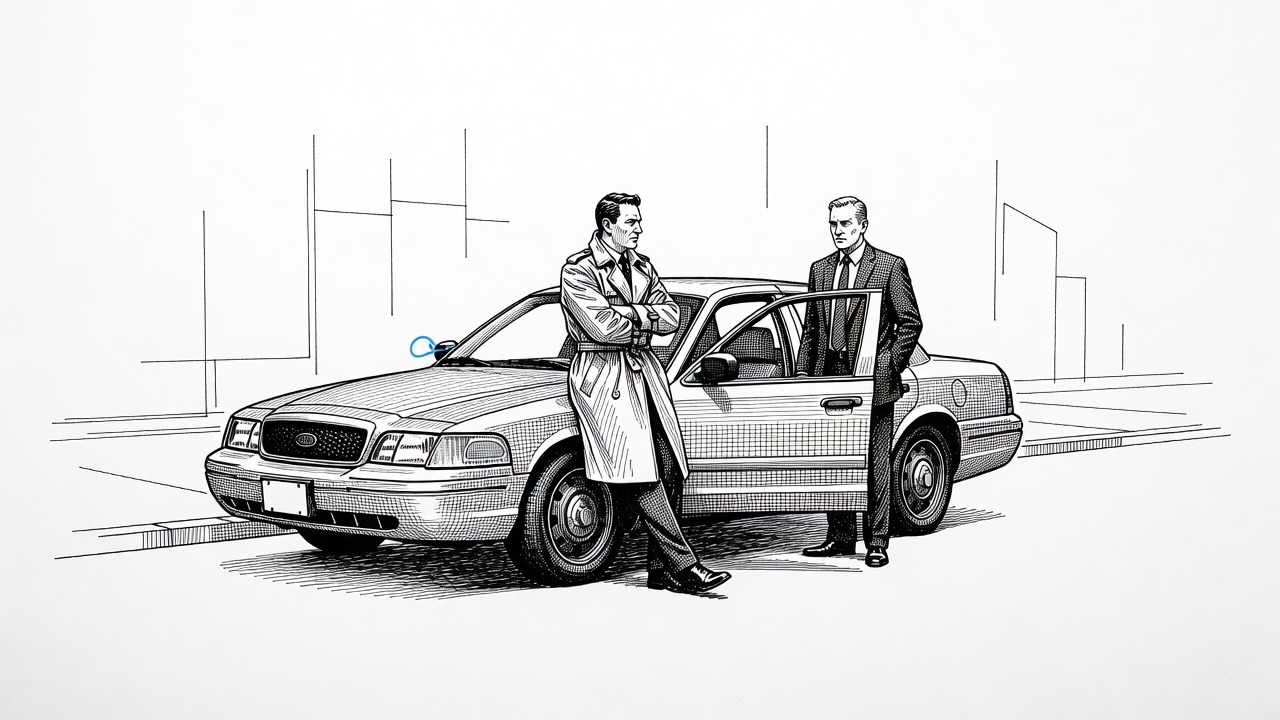
Whenever state agents discharge their firearms at civilians, the institutional playbook rarely deviates: neutralize the narrative before questions about lethal force can take hold. In Texas, an ICE officer shot Wilber Rafael Garces Perez in the upper back during a vehicle pursuit, and the federal government's immediate response has been to charge the wounded man with federal assault—a count that carries up to two decades in prison. The complaint claims Garces Perez struck an agent's torso with a side-view mirror as he fled, while Garces Perez recounts federal vehicles colliding with and ramming his car to force a spin before shots were fired. Discharging a weapon into a spinning vehicle is an extreme use of force, and shooting a person in the back raises urgent questions about whether anyone was facing an imminent threat at the moment the trigger was pulled. Instead of an independent accounting, the public gets a heavy criminal charge while Garces Perez sits in federal detention with a bullet lodged near his spine. His attorney's demand for the immediate release of body-camera footage is the bare minimum standard for transparency. When armed federal agents wield state power on public roads, the government should not be permitted to substitute criminal indictments for public accountability.
How it may affect me
Incidents like this highlight the persistent lack of immediate public transparency surrounding federal law enforcement's use of force in local communities. For residents living in areas with high federal enforcement activity, aggressive vehicle stops and pursuits can increase the risk of bystander danger and escalating violence on everyday roads. When lethal or near-lethal force is met with selective criminal filings rather than prompt disclosure of objective evidence like body-camera footage, it may deepen community distrust of federal authorities and erode public confidence that officers operate under strict, enforceable constitutional limits.