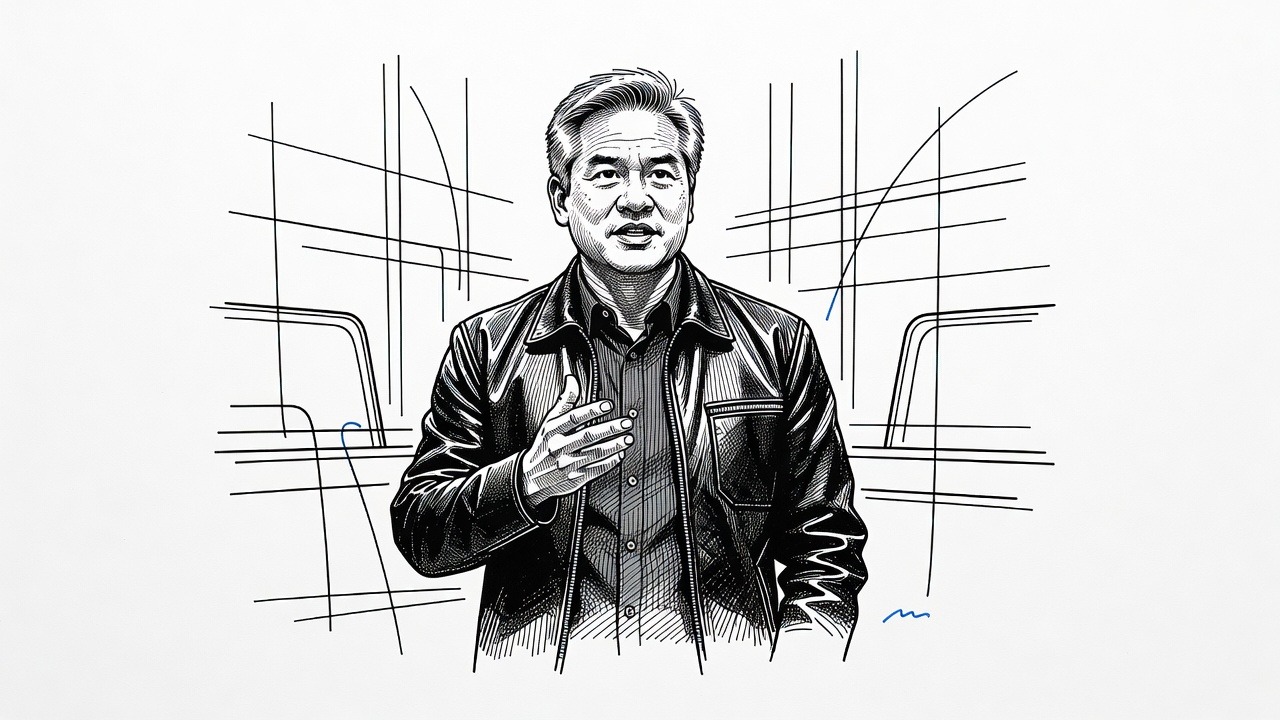
When a corporation valued at an eye-watering $5.5 trillion decides to allocate an additional $150 billion to buying back its own shares—on top of an $80 billion authorization just months earlier—it offers a textbook look at the financialized priorities of corporate America. Pouring astronomical sums into repurchases and boosting dividends while pledging to funnel half of free cash flow back to Wall Street is classic financial engineering. As analysts note, management is eager to counter investor anxiety over slowing growth by signaling that its stock is undervalued. But when the most profitable titans of the modern economy decide their best use of extraordinary windfalls is to artificially juice share prices rather than directing that capital toward broader productive capacity, research, or the workers who build their success, it reveals an economic model fundamentally designed to concentrate wealth at the top.
How it may affect me
For ordinary people and wage earners, developments like this underscore who actually benefits from massive technological booms. A $150 billion buyback program delivers immediate gains primarily to large institutional funds, executive insiders, and wealthy equity holders who profit as shares climb. Everyday consumers and workers outside that narrow investor class are unlikely to see tangible benefits. In the long run, this pattern of funneling immense corporate surplus into asset inflation rather than broader economic investment risks deepening income inequality, reinforcing a system where corporate power prioritizes paper wealth for shareholders over shared, durable prosperity.