The federal government has a real job at the border. Buying the president a television campaign is not that job.
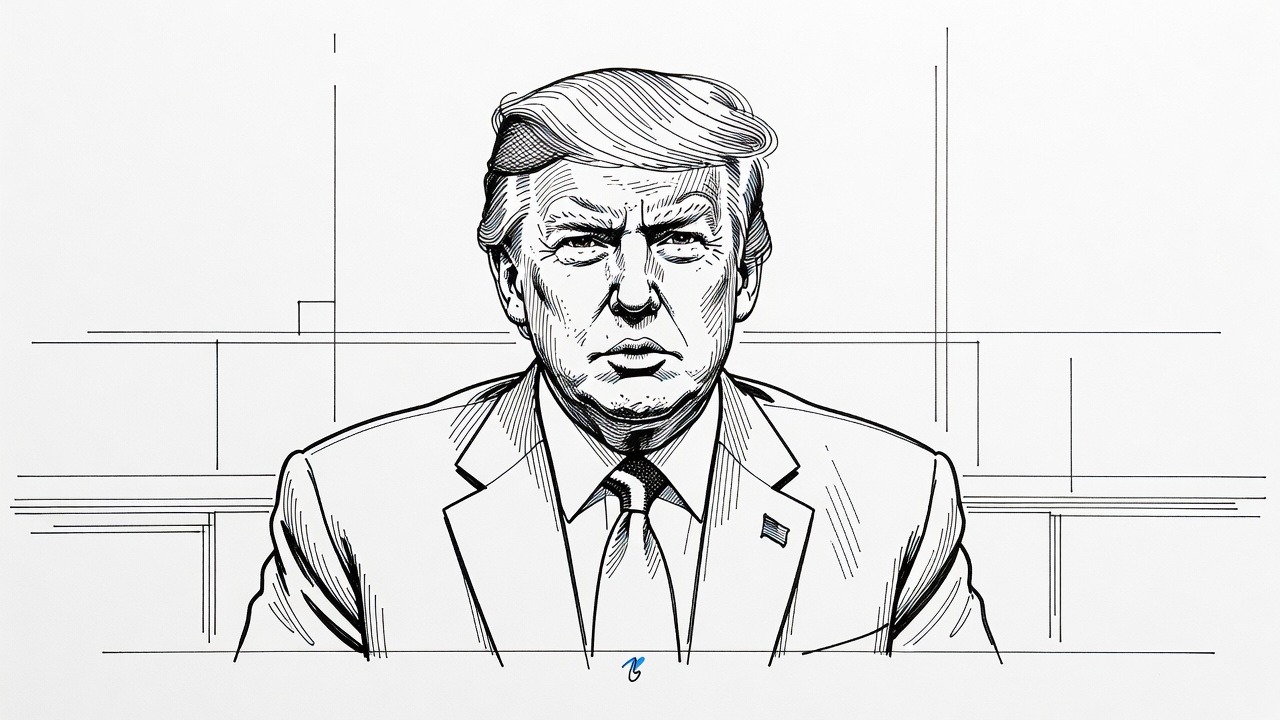
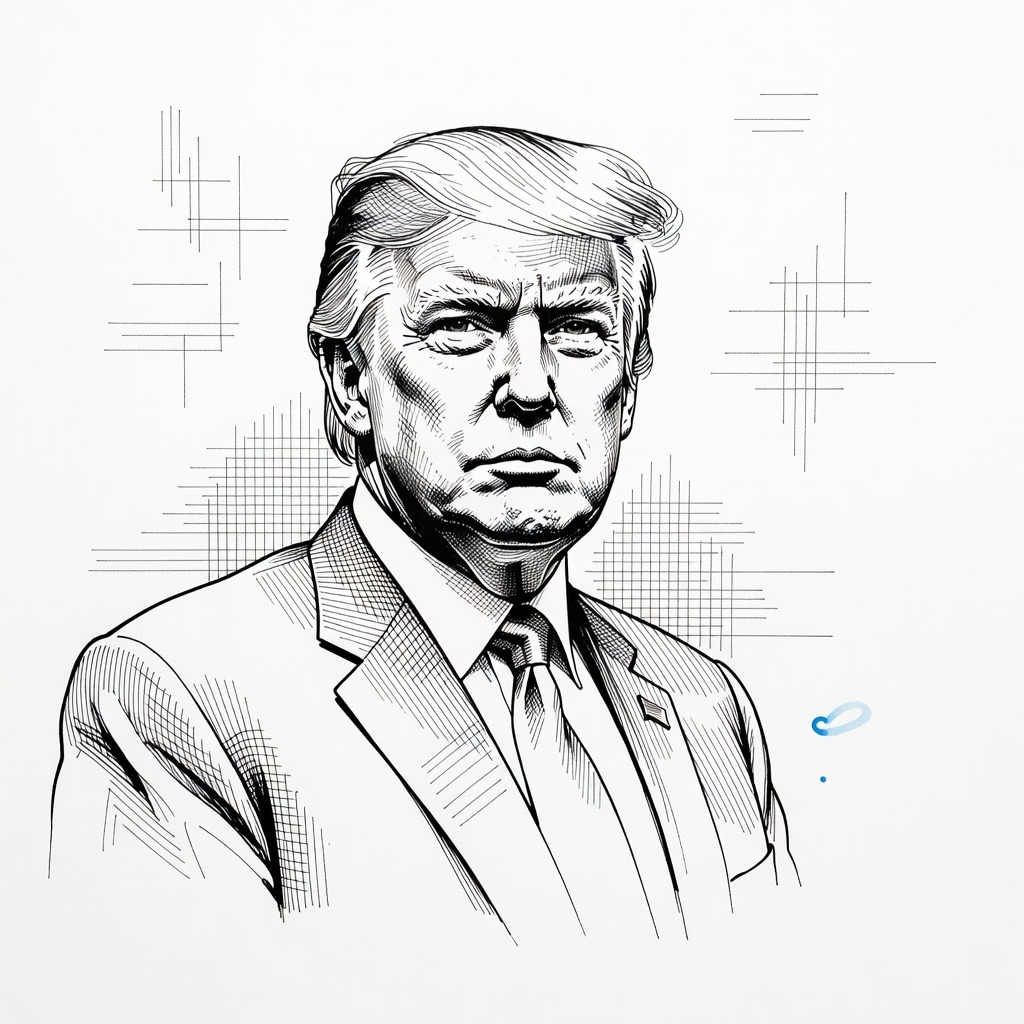
Customs and Border Protection is a law-enforcement agency. Its budget exists to control the border, not to finance spots that put Donald Trump on broadcast, cable, and streaming, built from his speeches and administration messaging. The White House calls these educational, patriotic public service announcements, and says they are nonpolitical. Taxpayers can read the same record and reach a less flattering conclusion. An ad built around the sitting president, paid for with funds from a homeland-security agency, is political messaging whether or not the press office has found a softer noun for it.
Conservatives have spent years arguing that border enforcement is a core duty of the state and that Congress should fund it. That argument collapses if the money can be redirected into image-making and still be defended as border policy. Support for a serious security mission is not a blank check for self-promotion. Appropriations are limits. When Democratic senators on the Appropriations Committee ask Secretary Mullin how this was financed and whether the broadcasts will continue, they are asking the question fiscal conservatives should want asked. Some Republicans have already criticized the taxpayer-funded advertising. They should not be talked out of it. Stewardship is not disloyalty.
The copyright fight makes the same point from the other direction. Lawyers for the musician behind "Love Me" have alleged the song was used without right and have demanded an accounting of the broadcasts and the spending. That allegation is not a court finding. It is, however, a property-rights problem sitting in plain view. The federal government does not get a patriotic exemption from other people's ownership. If the spots were cleared, show the paperwork. If they were not, take them down. Rule of law is not a slogan reserved for people crossing the border.
What should worry anyone who actually wants enforcement, rather than a commercial about enforcement, is the precedent. An agency that can spend security funds on presidential airtime and call it public education has discovered a reusable trick. The next administration will not forget it. National pride does not require a media buy. A border does.
How it may affect me
The money is already out the door. Funds from Customs and Border Protection — money justified to the public as border and homeland security — paid for advertisements featuring the president. If you pay federal taxes, that is your money converted into airtime rather than into the enforcement work those dollars were supposed to support.
Whether that continues is not yet settled. Appropriators have asked for the financing details and whether the broadcasts will go on. If the campaign ends, the direct loss is what has already been spent, plus the staff time oversight now consumes. If it does not end, more of the same budget could be committed to media instead of the border mission Congress was told it was funding. That is a risk, not a proven operational shortfall; the records being requested are what would show the scale.
Creators have a more immediate stake. A federal commercial that draws a cease-and-desist over a copyrighted song leaves the owner paying to defend a right that should have been licensed first. The allegation is unresolved until it is decided, but the practical burden of chasing a government advertiser is real.
The incentive is the effect that lasts. If agencies learn that looking patriotic on television is an acceptable use of a security appropriation, people who want an actual border policy may keep paying for advertisements about one. The next White House can run the same play with a different face on the screen. That cost does not show up as a new tax line. It shows up as a government that spends your money talking about its job instead of doing it.