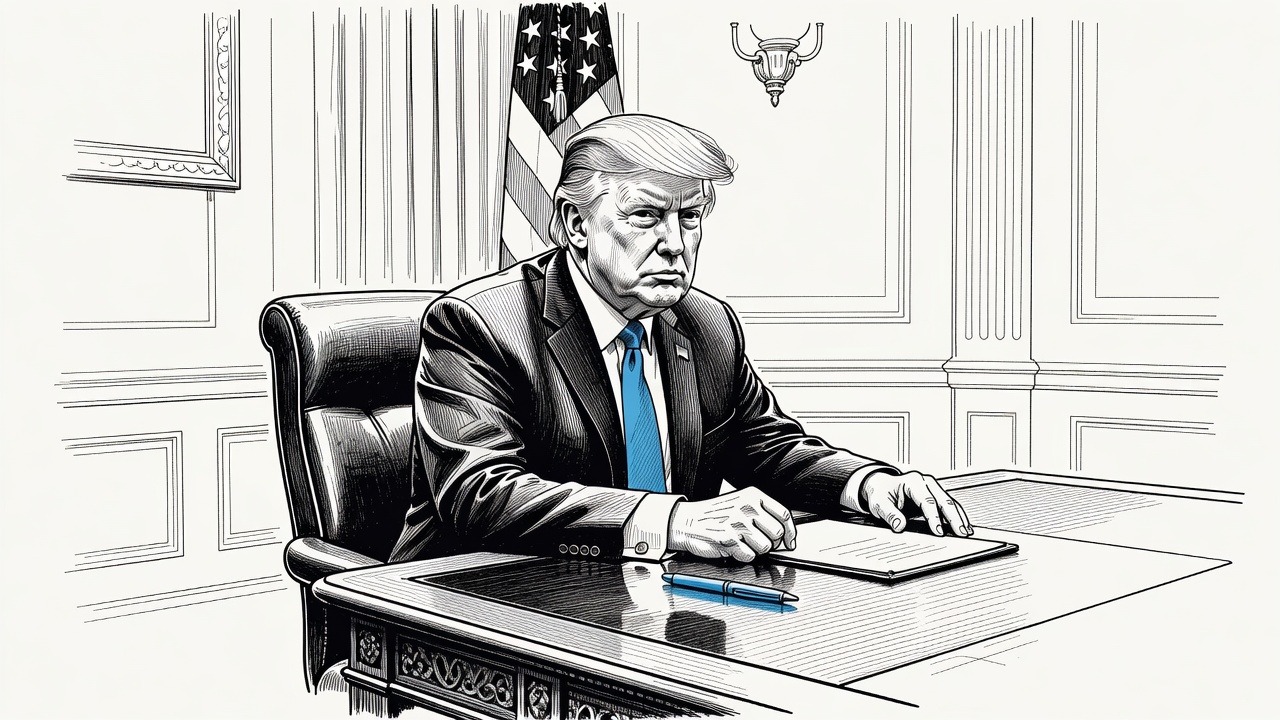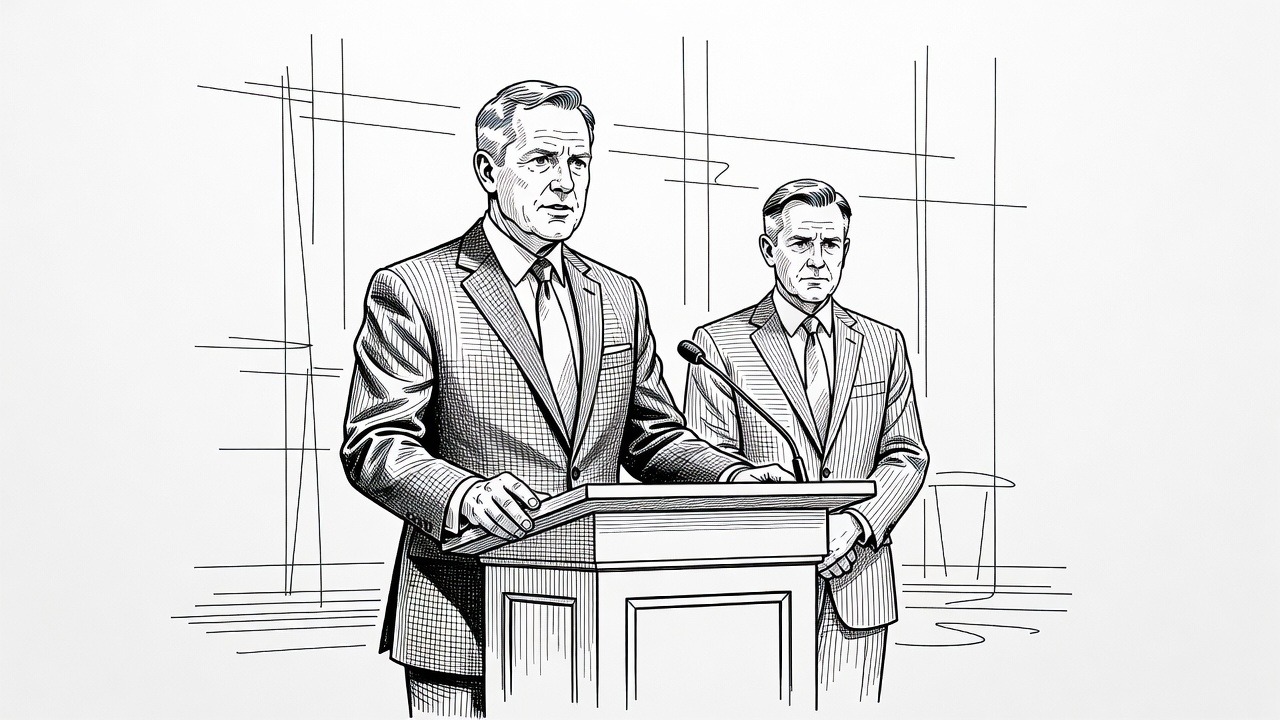
Public institutions exist to serve the public good, which requires stability, professionalism, and independence from ideological experimentation. Andrew Bailey’s departure after a brief tenure is another reminder of what happens when established, career-oriented institutional roles are fractured for political reshaping. Dividing the traditionally nonpartisan career deputy director position into an unprecedented 'co-deputy' arrangement—cycling through figures like Dan Bongino and now Bailey under Director Kash Patel—has turned a crucial oversight post into a game of musical chairs. When leadership at the highest levels of federal law enforcement is treated as a revolving door for political appointees pursuing undefined 'reform,' it erodes institutional integrity and distracts from the vital work of holding power accountable under the rule of law.
How it may affect me
Instability at the top of the nation's premier federal law enforcement agency directly impacts ordinary citizens who depend on fair, consistent, and depoliticized administration of justice. Rapid leadership turnover and structural tinkering may create internal uncertainty, potentially shifting agency priorities and undermining basic operational accountability. Whether the bureau returns to a single, stable second-in-command or continues with divided leadership could signal whether federal law enforcement moves toward greater professional stability or remains subject to erratic administrative churn.