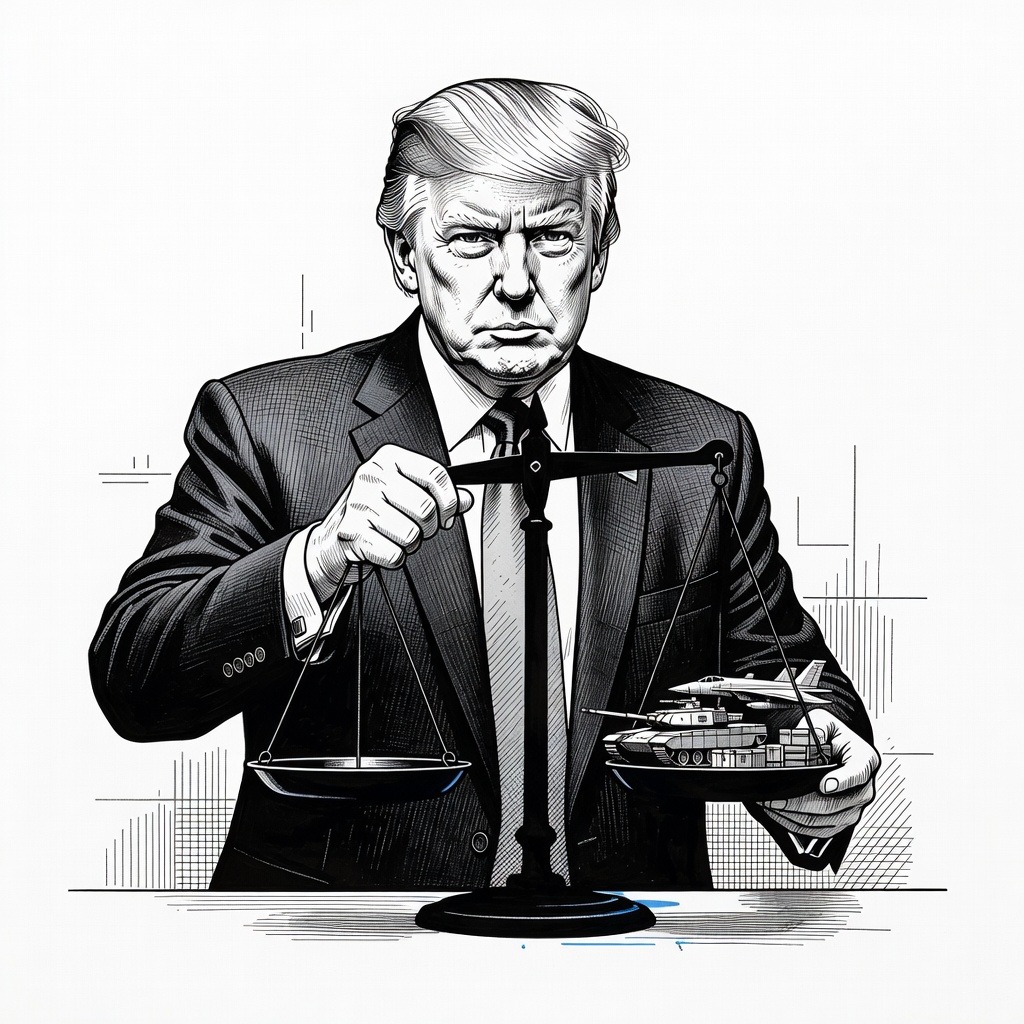
Start with the number that matters: $60 billion in two-way trade getting relief is real, but it's a rounding error against total U.S.-China trade, which typically runs in the hundreds of billions annually. This is not a comprehensive trade deal. It's a targeted, politically legible gesture dressed up with summit theater — and there's nothing wrong with that, as long as no one pretends it's more than it is.
Look at what's actually on each list. The U.S. is cutting tariffs on toys, sports equipment, and holiday decorations — consumer goods with obvious timing logic ahead of the holiday season. China is targeting agriculture and livestock — goods that matter enormously to U.S. farm states and, not coincidentally, to domestic U.S. politics. This is transactional diplomacy with a clear read on each side's political incentives, not a structural rebalancing of the trade relationship. Neither government is pretending otherwise; they just aren't saying it out loud.
The most important sentence in this story is the one that gets buried: no start date, and no specified magnitude of reduction. That's not a footnote — that's the whole ballgame. Tariff relief announced without an implementation timeline or a defined percentage is a statement of intent, not a policy. It costs nothing to announce and can be quietly walked back or delayed without anyone technically breaking a promise. Businesses trying to plan supply chains, pricing, or holiday inventory around this have almost nothing concrete to work with. That's a governance failure of communication, even if it's a deliberate one — vague announcements buy political goodwill on both sides while leaving the hard bargaining for later, or never.
What's more interesting, and more durable, is the institutional scaffolding: trade and investment boards, agricultural working-group talks slated before the end of 2026, an AI dialogue, and an incident communication channel. These are unglamorous but they're the actual infrastructure of risk management between two powers that have spent years lurching between tariff escalation and truce. A standing channel to manage incidents is worth more, in a stability sense, than a tariff cut on holiday decorations — because it reduces the odds of an accidental spiral turning into a crisis. Whether these bodies produce anything by their stated deadlines is an open question; working groups convened under summit pressure have a mixed record of surviving past the news cycle that created them.
The honest read: this is incremental de-escalation, useful as far as it goes, running on a truce extension rather than a resolution. The tariff cuts are modest and reversible in practice given the missing details. The institutional mechanisms are the part actually worth watching over the next year, because they'll tell you whether this summit produced durable process or just a photogenic pause.
How it may affect me
In the near term, if the tariff cuts are actually implemented, U.S. shoppers could see modestly lower prices on toys, sporting goods, and holiday decorations — timing that lines up conveniently with the holiday shopping season, though the story gives no date when reductions actually take effect, so don't bank on it for this year's shopping. U.S. farmers and livestock producers stand to benefit if Chinese purchases of agricultural goods pick up, which matters directly to household income in farm-dependent regions.
For businesses on both sides that import or export goods on these lists, the bigger near-term effect is continued planning uncertainty — without a start date or a defined tariff reduction amount, firms can't reliably adjust pricing, sourcing, or inventory decisions yet. That ambiguity itself has a cost, even before any tariff actually drops.
Longer term and more speculatively, the new trade and investment boards, agricultural working groups, AI dialogue, and incident communication channel could reduce the odds of sudden tariff escalations or miscommunication-driven flare-ups between the two countries — a stability benefit that wouldn't show up in prices but could matter for anyone whose job, savings, or business depends on U.S.-China relations staying predictable. Whether that materializes depends heavily on whether these bodies produce real agreements rather than recurring meetings, which the story does not yet tell us.