
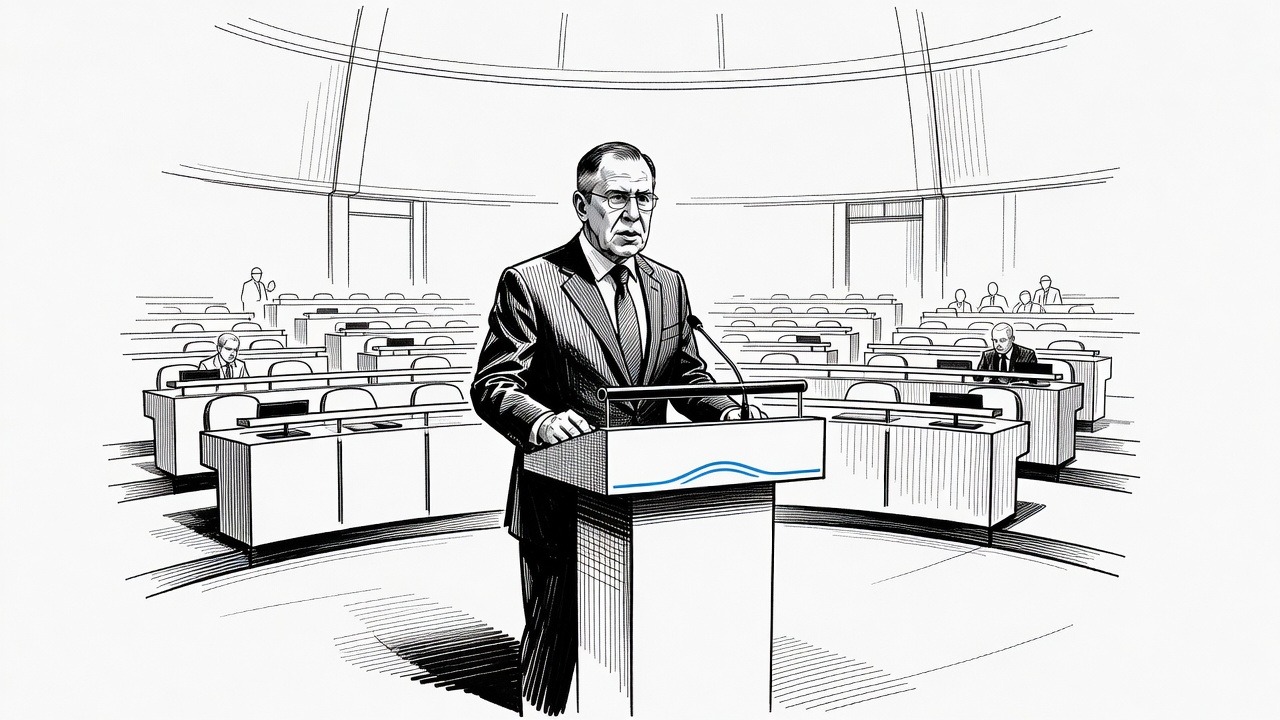
Behind the diplomatic posturing at the United Nations General Assembly lies a stark reality: ordinary civilians continue to bear the devastating burden of an ongoing war while major powers trade accusations on the international stage. Foreign Minister Johann Wadephul rightly emphasized the ongoing threat to civilian lives and broader stability. Lavrov’s claim that European nations are obstructing peace is a predictable effort to deflect responsibility for Moscow's own military aggression, framed under the vague guise of 'security objectives.' At the same time, the fact that German and Russian foreign ministers met directly for the first time since before the war marks a necessary, if overdue, return to direct engagement. True diplomacy cannot be treated as a transaction or a rapid seasonal deadline, as suggested by Donald Trump's hopes for a pre-winter settlement. A sustainable peace must prioritize ending the slaughter of civilians, halting aggression, and securing real self-determination and safety for vulnerable populations, rather than simply accepting great-power spheres of influence.
How it may affect me
For ordinary people across Europe and beyond, prolonged conflict continues to mean economic strain, heightened geopolitical insecurity, and the constant threat of wider regional escalation. If diplomatic talks fail to move past rhetoric toward a genuine, lasting ceasefire, the most immediate and horrific costs will remain on civilians caught in the crosshairs of war, while working families elsewhere may continue to face the spillover effects of elevated energy vulnerabilities and diverted public resources toward prolonged military conflict.