
U.S. and China Agree to Extend Trade Truce Following Bilateral Meetings

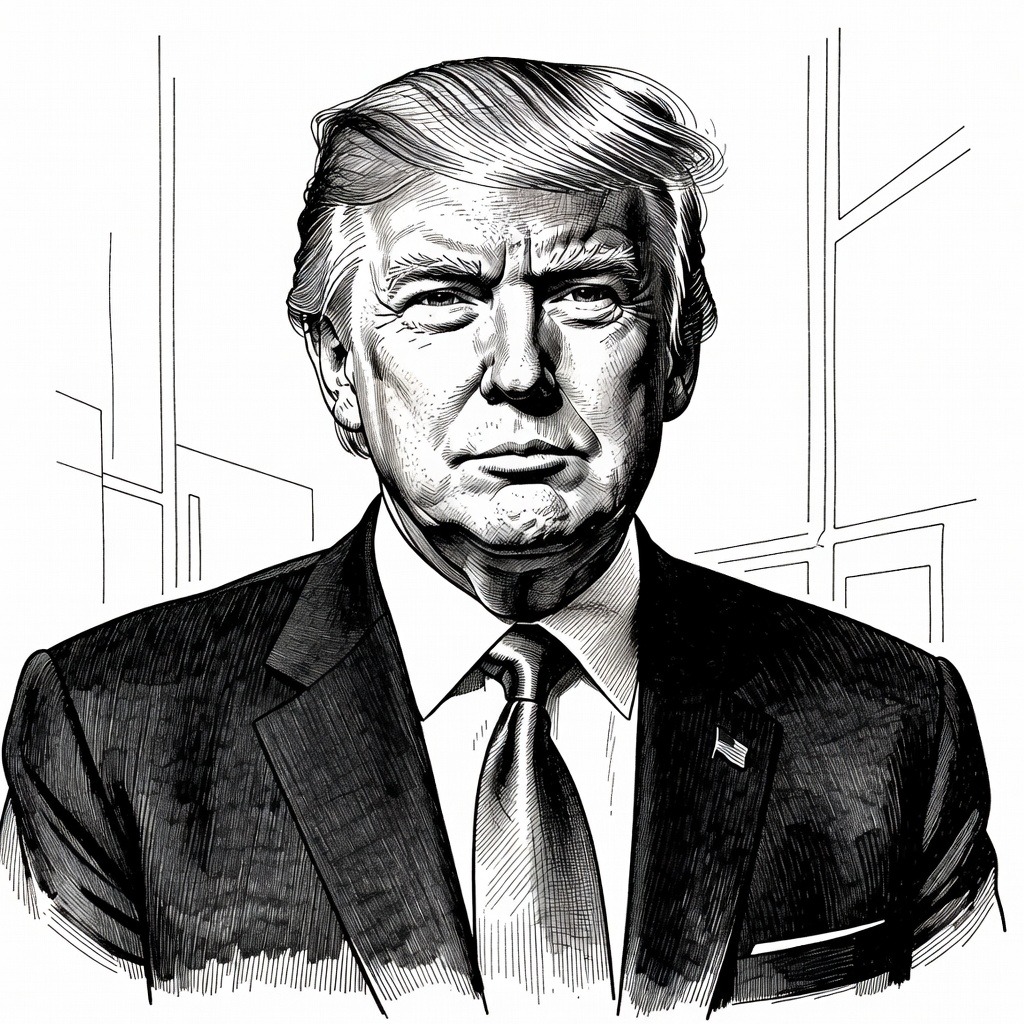
Illustration for: U.S. and China Agree to Extend Trade Truce Following Bilateral Meetings
AI-generated illustration. Visual interpretation does not represent real individuals or scenes.

THE BARE STORY

The United States and China have agreed to extend their bilateral trade truce for an additional two months following recent meetings between top officials and a White House summit between U.S. President Donald Trump and Chinese President Xi Jinping. Both nations also reached agreements covering terms for non-sensitive commercial goods, including agricultural products and medical devices, while leaving national security export controls on advanced technology in place.

U.S. Trade Representative Jamieson Greer stated that the two-month extension serves as a period to evaluate China’s compliance with prior trade commitments, including access to rare-earth materials and purchases of American agricultural exports. American Soybean Association President Scott Metzger stated that China had purchased only half of its previously agreed soybean volume. Greer also noted that tariffs have significantly lowered the U.S. goods trade deficit with China, projecting it to fall to $140 billion in 2026 from $297 billion in 2024.

The negotiations, which included a 12-hour session between U.S. Treasury Secretary Scott Bessent and Chinese Vice Premier He Lifeng, also addressed cooperation on artificial intelligence risks and safeguards. Chinese state media reported that Xi emphasized bilateral dialogue on managing AI risks, while Bessent discussed establishing a cross-border incident hotline.

During the visit, Xi proposed an educational initiative for 100,000 Americans to study in China over five years and announced plans to loan two pandas to the Atlanta Zoo. Further specifications regarding covered product categories and tariff adjustments under the new trade framework are scheduled to be released on Monday.

Same Facts. Different Perspectives.

Two AI models. Two viewpoints. One factual foundation.

• Shield Domestic Supply Stability Short-term transactional reprieves prolong systemic uncertainty for domestic producers and working-class industries. While the two-month pause provides brief operational breathing room, American agricultural sectors remain vulnerable after fulfilling only half of their projected soybean export volumes. Sustainable economic health requires predictable, rules-based trade systems rather than rolling bilateral brinkmanship that leaves producers in perpetual limbo.

• Prioritize Institutional Guardrail Diplomacy Proactive engagement on systemic frontier risks represents the most constructive path toward preventing global destabilization. Establishing incident hotlines and institutionalizing bilateral dialogues on artificial intelligence risks address the foundational threats of modern geopolitics. Soft-power mechanisms and cultural exchanges build the transparency necessary to avert catastrophic miscalculation between major powers.

• Halt Regressive Tariff Burdens Aggressive tariff policies designed to force artificial trade balance targets generate structural costs for end-use consumers and non-sensitive industries. Driving the goods trade deficit down from $297 billion to $140 billion via protectionist barriers risks retaliatory shocks across medical and agricultural sectors. Without comprehensive structural agreements, temporary extensions merely delay economic friction rather than resolving underlying market imbalances.

How it may affect me

As a U.S. reader:

• Domestic agricultural producers and soybean farmers face continued short-term uncertainty over the next two months while officials evaluate China's fulfillment of purchase commitments.

• Consumers and healthcare providers may experience temporary stability in non-sensitive goods like medical devices, though upcoming tariff adjustments could influence overall costs and trade balances.

• Students may gain access to new long-term educational opportunities under a proposed program allowing 100,000 Americans to study in China over five years.

• The broader public may benefit from enhanced technological security through newly planned bilateral safeguards and an incident hotline aimed at managing artificial intelligence risks.

Read the story at

Note: All TheBareNews content is AI-generated. For additional context, reporting, and updates, you are invited to explore the news outlets linked above.