
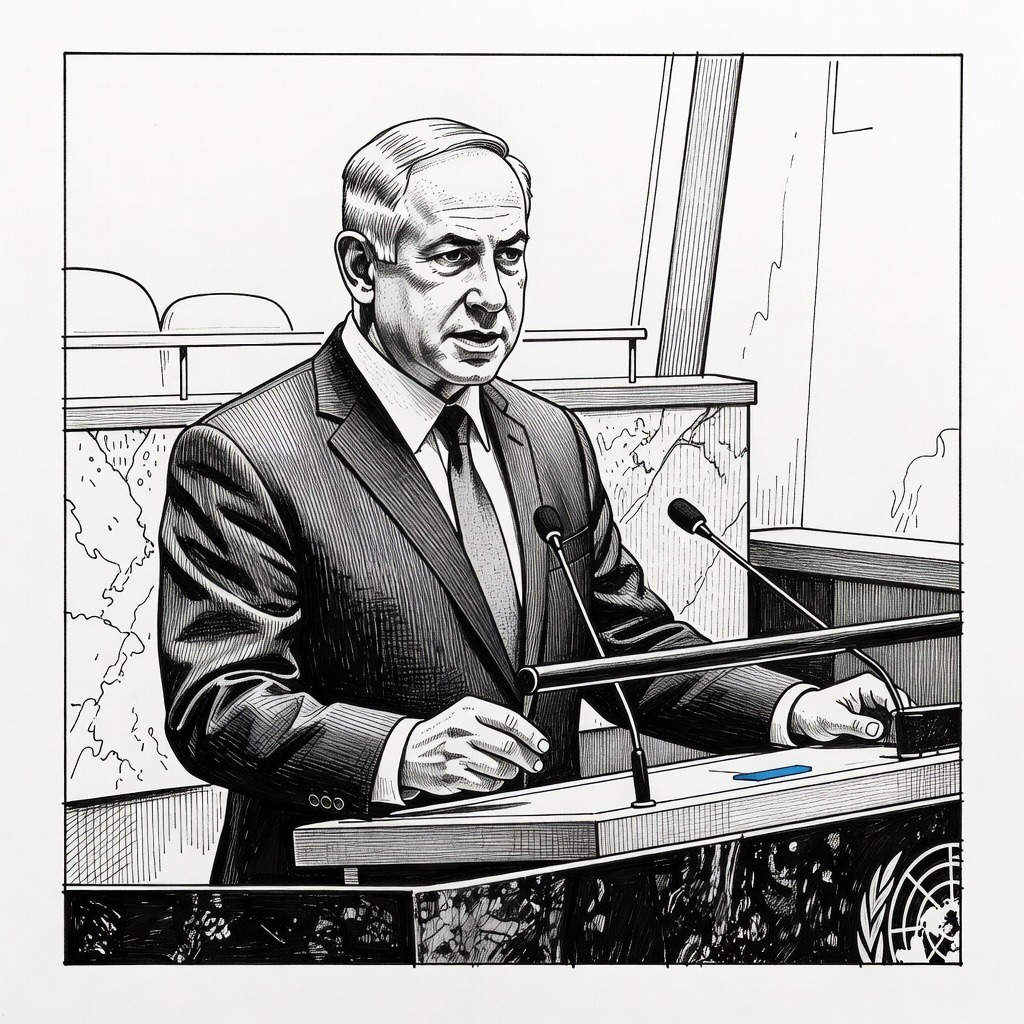
• Enforcing Institutional Global Accountability Diplomatic walkouts and UN protests serve as vital mechanisms to hold state actors accountable to international law and human rights norms. When leaders facing International Criminal Court scrutiny defend expanded military operations and dismiss genocide allegations, collective diplomatic boycotts demonstrate that sovereignty does not grant immunity from international scrutiny. Relying on multilateral forums to challenge military escalation preserves the institutional authority of global governing bodies over unilateral force.
• Rejecting Preemptive Regional Warfare Prioritizing kinetic strikes on nuclear infrastructure and expanding multi-front military campaigns against Hamas, Hezbollah, and Iran destabilizes the broader region at immense humanitarian cost. Projecting regime collapse and celebrating joint military actions bypasses essential diplomatic de-escalation channels required for sustainable conflict resolution. Relying on force rather than diplomatic negotiations exacerbates civilian harm and entrenches long-term cycles of violence across borders.
• Defending Legitimate Civic Dissent Equating legal accountability measures and municipal political critique with antisemitism undermines democratic discourse and conflates state policy with civic identity. Local leaders and international protesters raising concerns over military actions and international warrants exercise legitimate rights to free expression and moral objection. Delegitimizing these voices shields military policy from necessary public oversight and deepens political polarization within allied nations.
How it may affect me
As a U.S. reader:
• Ongoing U.S. participation in joint military operations against Iranian targets links American defense resources to multi-front military actions in the Middle East.
• Friction between visiting foreign leaders and local municipal officials raises practical questions regarding the legal authority of U.S. cities to enforce international arrest warrants.
• High-level rhetoric surrounding foreign military campaigns and accusations of bias can deepen domestic political polarization concerning free expression and foreign policy dissent.
• International diplomatic events hosted in major American cities continue to generate public demonstrations and localized security measures.