
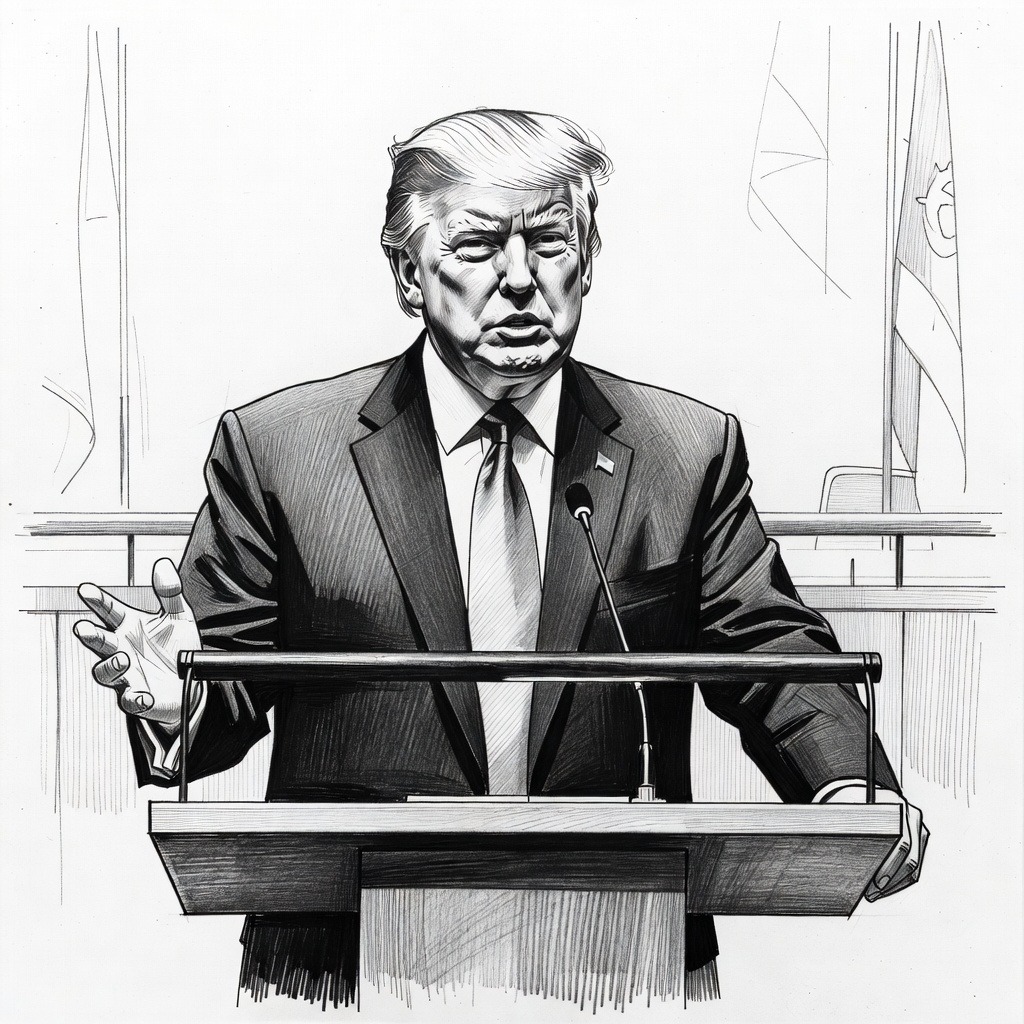
• Prioritize Dialogue Over Coercive Escalation Direct engagement provides the only durable path to avoid catastrophic conflict, particularly after the collapse of prior ceasefires. Maximalist ultimatums that threaten total destruction undermine fragile diplomatic channels and entrench adversarial resistance at international forums. Lasting stability requires addressing reciprocal security concerns through structured compromise rather than relying exclusively on military intimidation.
• Ease Pressure To Secure Commerce Heavy military postures and port blockades generate predictable counter-escalation that disrupts global trade and inflates energy costs, driving Brent crude past $106 per barrel. Tehran’s offer to restore passage through the Strait of Hormuz in exchange for reduced naval pressure highlights an opening for negotiated reciprocity. De-escalating sanctions and blockades offers a pragmatic route to restoring essential maritime commerce without triggering armed confrontation.
• Avert Catastrophic Regional Spillover Relying on existential threats risks miscalculation and uncontrolled conflict that inflicts broad economic and humanitarian harm. Unilateral demands ignore underlying geopolitical grievances and risk deepening global market shocks that penalize consumers worldwide. Sustainable security is achieved by upholding international norms through mutual de-escalation rather than escalating toward open warfare.
How it may affect me
As a U.S. reader:
• You may face higher fuel and energy expenses in the short term as global crude oil prices climb, with West Texas Intermediate rising past $94 per barrel.
• You could experience broader economic inflation if continued disputes and blockades surrounding the Strait of Hormuz disrupt commercial shipping and global trade.
• You may see long-term security and economic outcomes shaped by whether diplomatic talks prevent armed conflict or ongoing military deterrence successfully secures international waterways.