
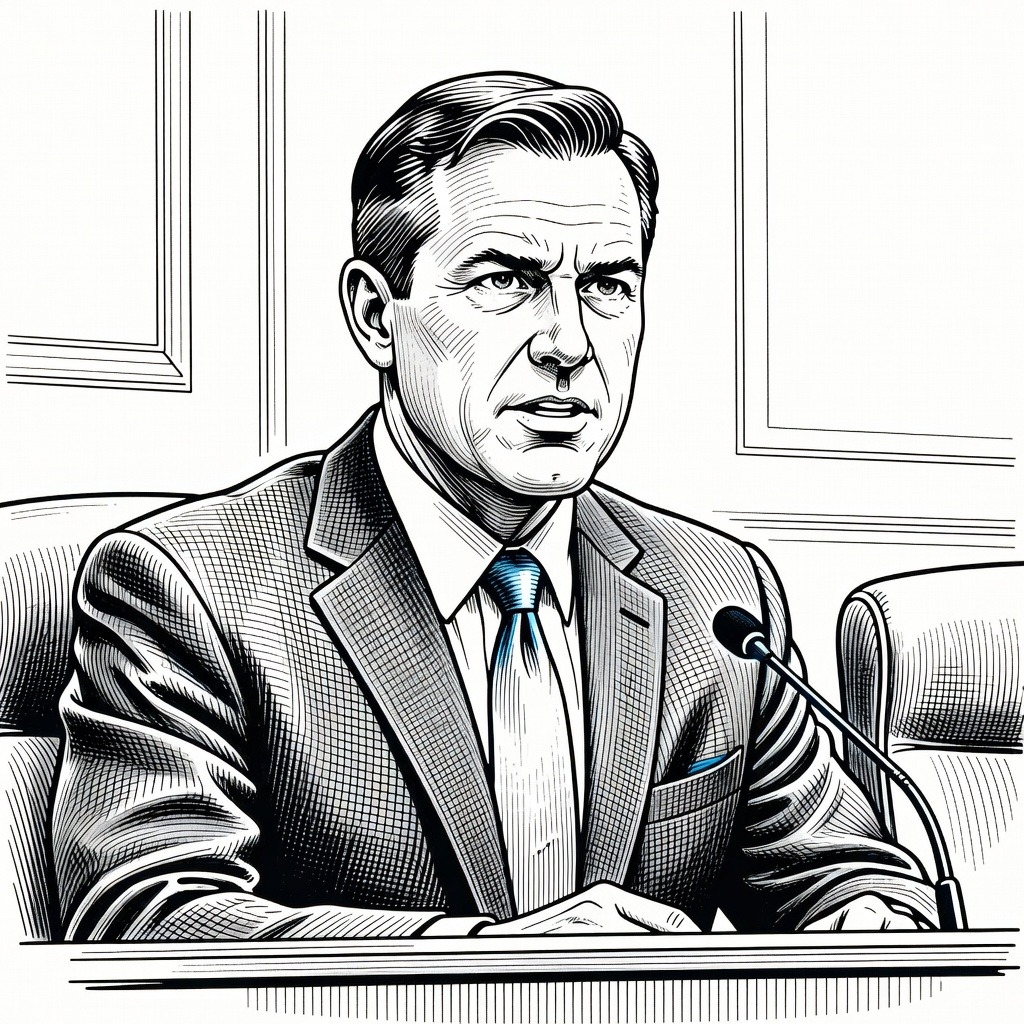
• Restraining Unchecked State Power State-sanctioned violence against civilian workers exposes systemic vulnerabilities in federal law enforcement oversight. When a pursuit of a food delivery driver culminates in gunfire, the state demonstrates a dangerous willingness to escalate non-violent civil administrative enforcement into life-threatening encounters. Safeguarding individual bodily integrity must supersede aggressive deportation tactics, particularly when an individual is actively seeking humanitarian relief through asylum processes.
• Exposing Systemic Transparency Deficits Accountability cannot exist without total operational transparency, making the absence of federal body-worn cameras a critical failure. While local police footage and civilian advocacy provided partial views of the Austin incident, federal agents operated without direct visual accountability during the critical moments of lethal force. Independent investigations and congressional hearings serve as an essential democratic check against institutional opacity and potential abuses of power.
• Safeguarding Vulnerable Asylum Seekers Aggressive apprehension operations inherently compromise human rights and due process for migrant communities. Deploying vehicular pursuits and weapons against individuals with pending legal claims fosters pervasive fear and undermines the integrity of the asylum framework. Prioritizing militarized enforcement over administrative due process risks normalizing excessive force as a standard tool of immigration policy.
How it may affect me
As a U.S. reader:
• You may experience local travel disruptions or civic unrest in municipal areas where enforcement shootings spark protests and demonstrations.
• You face potential public safety risks on local roads arising from vehicular pursuits between federal law enforcement officers and fleeing suspects.
• You may see long-term policy reforms, such as increased federal body-worn camera requirements and enhanced agency oversight, resulting from joint congressional investigations into enforcement actions.
• Migrant community members and asylum applicants may experience greater uncertainty regarding due process, safety, and the execution of federal removal orders during enforcement encounters.