
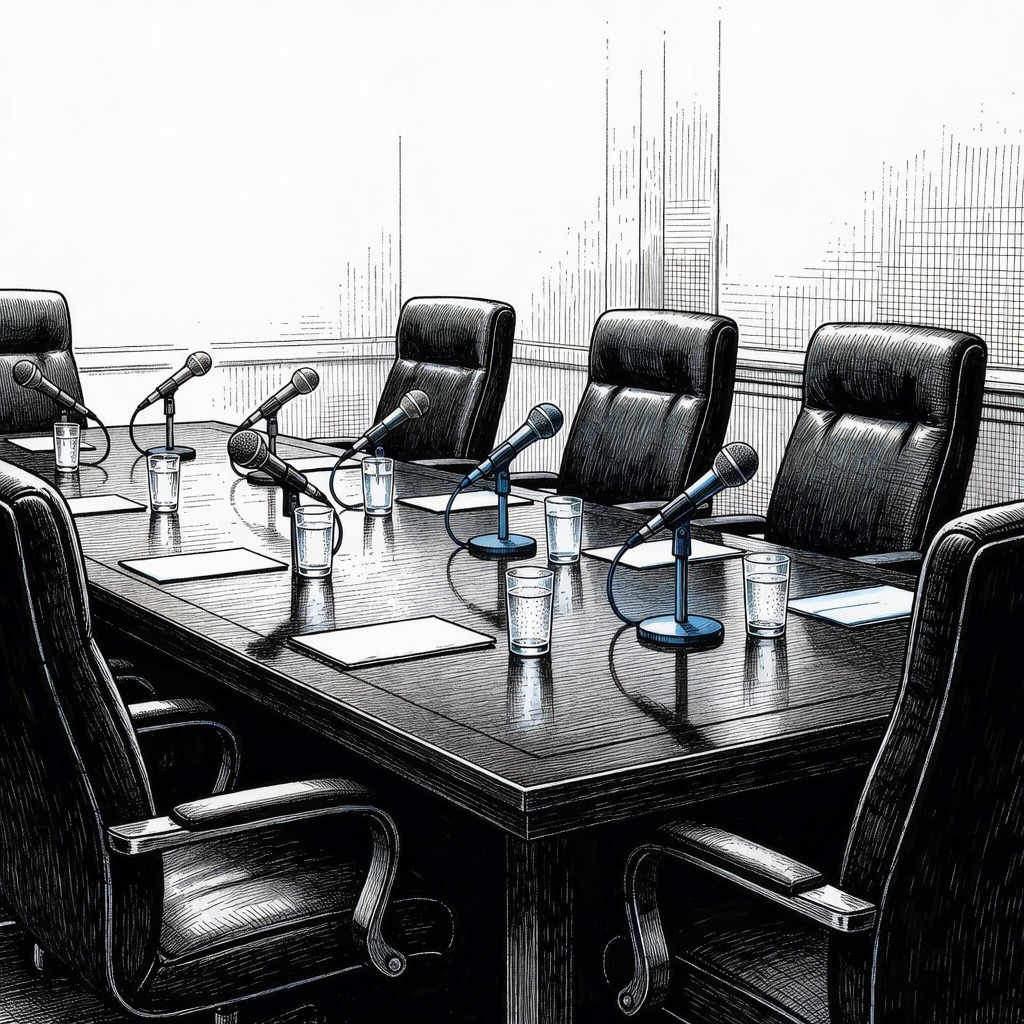
• Prioritize Dialogue to Defuse Tensions Direct high-level engagement between heads of state represents the most effective mechanism for managing superpower friction and preventing catastrophic miscalculation. Bilateral summits, building upon previous talks in Beijing, create critical channels to address complex, overlapping flashpoints like the conflict involving Iran. Establishing structured communication lines provides essential diplomatic off-ramps in an increasingly volatile international landscape.
• Institutionalize Predictable Safety Guardrails Pursuing an artificial intelligence notification system for national security incidents and extending trade truces injects vital stability into a strained global system. Bilateral cooperation on emerging technologies mitigates unintended escalations while insulating global supply chains from destructive economic disruption. Resolving friction through negotiated pauses safeguards everyday consumers from the compounding burdens of elevated energy costs and trade barriers.
• De-escalate High-Stakes Regional Flashpoints Exercising restraint by pausing volatile measures, such as the postponed $14 billion defense package for Taiwan, reduces the immediate danger of military confrontation in the Indo-Pacific. Prioritizing cross-strait diplomatic balance prevents miscalculations that could draw regional partners into wider conflicts. Sustainable security is achieved through steady diplomatic mediation rather than aggressive regional posturing that risks destabilizing vital commercial corridors.
How it may affect me
As a U.S. reader:
• You may experience short-term stability in consumer prices and supply chains if the proposed extension of the trade truce through January is finalized.
• Your household energy costs may be affected by the outcome of bilateral talks addressing the conflict involving Iran and disruptions in the Strait of Hormuz.
• Your long-term security could be influenced by the creation of an artificial intelligence notification system designed to prevent unintended national security escalations.
• You may see shifts in U.S. international defense commitments depending on whether the administration resumes the postponed 14 billion dollar arms package to Taiwan and maintains deterrence with Indo-Pacific allies.