
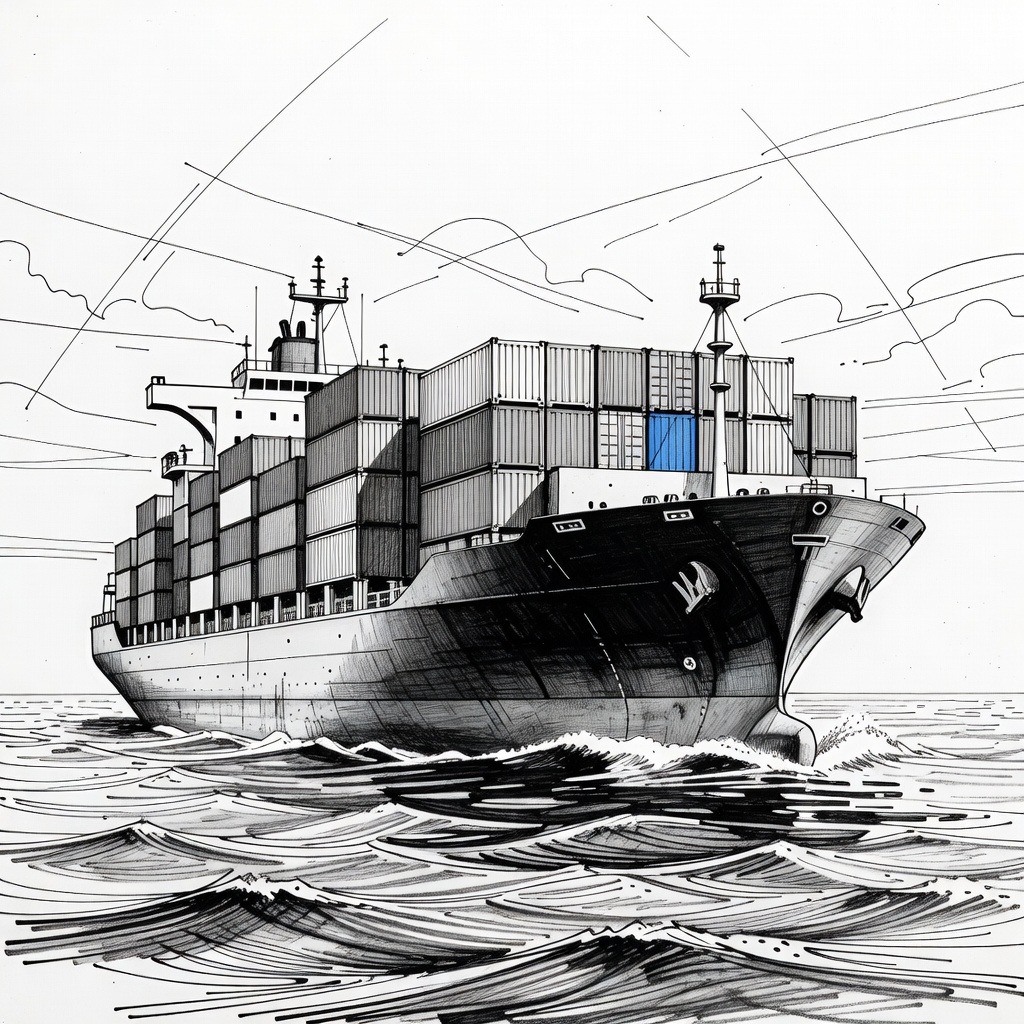
• Shield Economic Supply Chains Economic stability depends on predictable trade flows rather than escalating tariff barriers. Extending the truce through January preserves lower tariffs and secures the vital movement of rare earth materials essential for modern technology and manufacturing. Prioritizing commercial continuity prevents self-inflicted inflationary shocks that disproportionately burden domestic consumers and small enterprises.
• Institutionalize Bilateral Conflict Guardrails High-stakes geopolitical competition requires institutional communication channels to prevent catastrophic miscalculations. Treasury Secretary Scott Bessent’s proposal for an artificial intelligence notification mechanism establishes a vital framework for managing emerging technological risks collaboratively. Treating major powers as strategic partners rather than existential adversaries creates diplomatic space to de-escalate sensitive cross-border tensions.
• Prioritize Multilateral Crisis De-Escalation Sustainable global stability requires resolving security disputes through sustained dialogue rather than unilateral economic warfare. Engaging Chinese leadership directly on broader issues, such as the conflict involving Iran, allows both nations to address root drivers of instability cooperatively. Relying excessively on punitive sanctions risks fracturing international consensus and driving geopolitical rivals into tighter counter-alliances.
How it may affect me
As a U.S. reader:
• You may experience short-term price stability on consumer goods and reduced risk of inflationary shocks as current lower tariff rates remain in place through January 10.
• You are less likely to face immediate disruptions or shortages in products reliant on rare earth materials, which are critical for technology and manufacturing supply chains.
• Your household energy costs and fuel prices could be affected by whether diplomatic talks successfully address stability in global oil markets connected to the Iran conflict.
• You may see enhanced protection from emerging technological hazards if the proposed bilateral artificial intelligence safety notification system is established.