
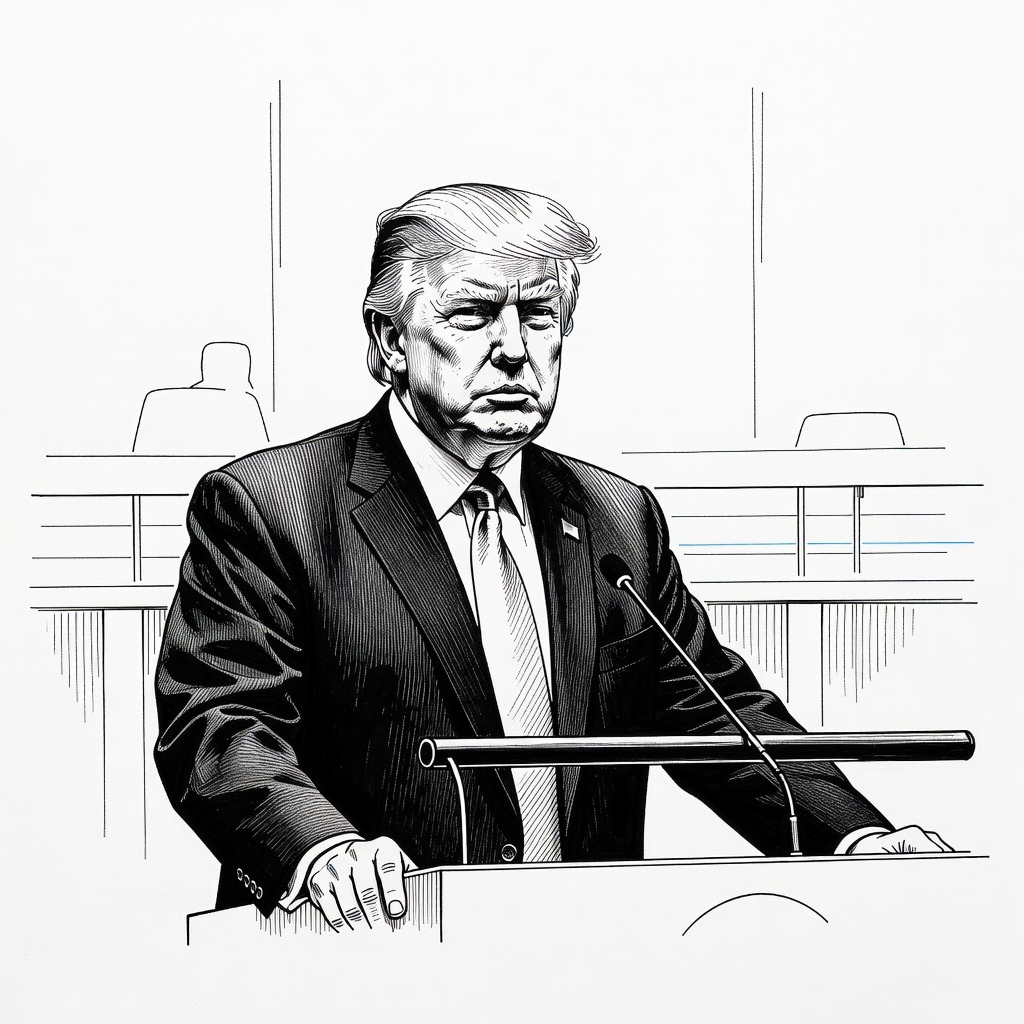
• Expose Opportunistic War Oversight Institutional accountability requires consistent constitutional checks on military action rather than sudden reversals driven by midterm electoral pressure. Lawmakers like Ashley Hinson and Jon Husted previously voted against war powers resolutions that sought to limit executive military authority, only to demand an immediate end once inflation threatened their campaigns. This pivot exposes a transactional approach to foreign policy where legislative duty is abandoned until domestic political consequences become undeniable. Genuine governance demands proactive limits on conflict rather than reactive complaints over predictable economic fallout.
• Shield Consumers From Conflict Costs Working-class consumers invariably shoulder the immediate economic burdens of foreign military entanglements through volatile energy markets and soaring pump prices. While proposals such as suspending the federal gas tax, expanding E-15 fuel, and providing targeted diesel relief to farmers offer short-term relief, they merely treat the symptoms of unchecked foreign intervention. The extraction of public wealth to manage international conflict destabilizes domestic prosperity and harms foundational supply chains. Sustainable economic security requires ending military adventurism rather than relying on temporary policy band-aids to placate voters.
• Reject Reckless Escalation Ultimatums Maximalist foreign policy rhetoric—such as framing international strategy as a binary choice between total destruction and reconstruction—creates immense geopolitical instability. Pursuing unconstrained military objectives without robust diplomatic de-escalation risks catastrophic regional escalation and extended economic shocks. Relying on unpredictable executive decisions undermines international legal norms and heightens the danger of wider humanitarian crises. Lasting national security depends on multilateral diplomacy, strict congressional oversight, and an immediate cessation of open-ended hostilities.
How it may affect me
As a U.S. reader:
• You are experiencing higher gasoline and fuel prices at the pump in the short term due to the ongoing conflict.
• You could see immediate price adjustments at fueling stations if proposals to suspend the federal gas tax, expand E-15 fuel distribution, or restrict diesel exports are implemented.
• If you work in agriculture, trucking, or rely on freight supply chains, persistent fuel spikes and proposed targeted relief will directly impact your operational costs.
• Over the longer term, how the conflict is resolved and whether foreign nuclear threats are deterred will shape broader domestic energy stability and national security.