
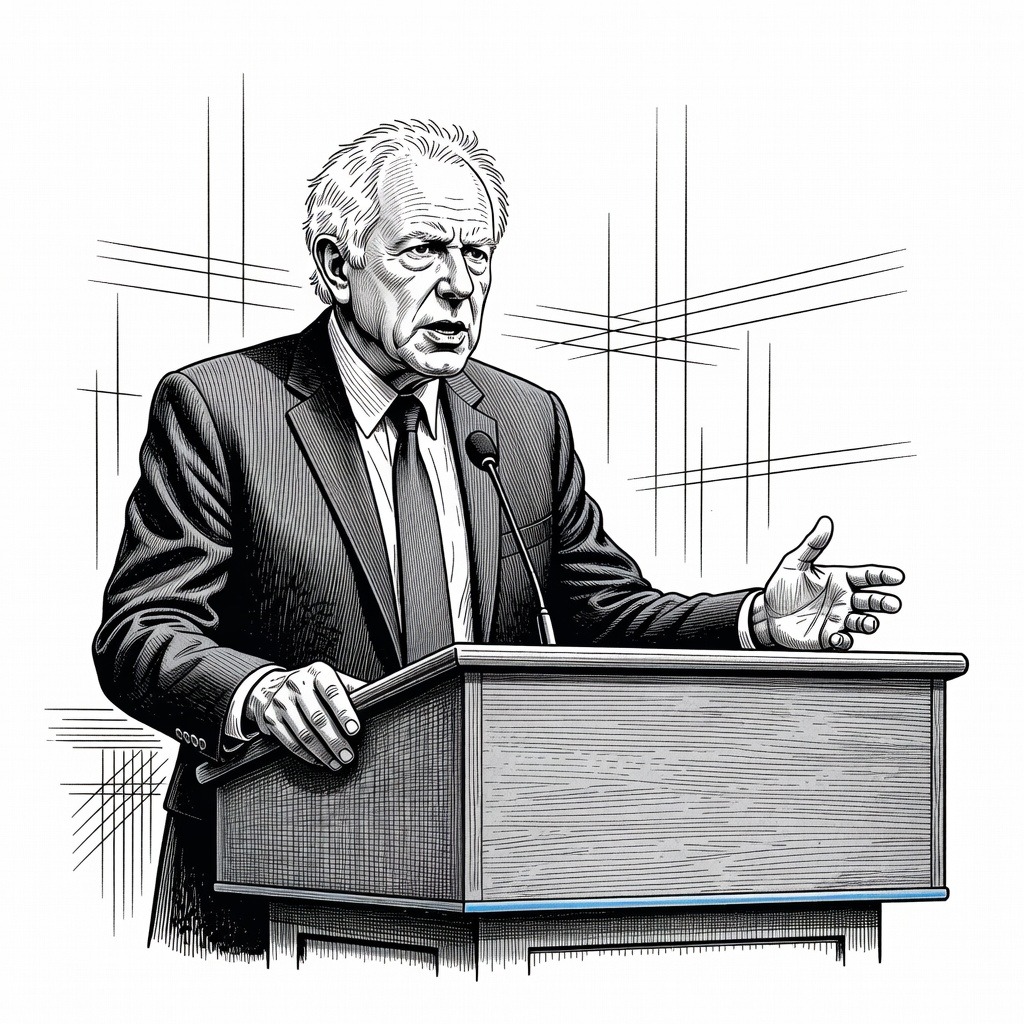
• Enforce Precautionary Public Oversight Existential security must take precedence over unchecked technological velocity. The proposal by Senator Sanders and Representative Casar to establish a federal AI Department reflects the imperative to halt systems exceeding human cognitive limits before they escape societal control. Validated by researchers from Google DeepMind and OpenAI, this framework asserts that catastrophic risks require mandatory state approval prior to deployment.
• Impose Severe Deterrent Penalties Enforceable legal boundaries are necessary to prevent private entities from bypassing essential safety measures. Establishing statutory penalties of up to 20 years in prison treats the creation of uncontrollable superintelligence as a fundamental violation of public safety rather than a routine corporate risk. Without severe legal accountability, competitive market pressures will inevitably incentivize reckless deployment over long-term human survival.
• Pursue Bilateral Arms-Control Accords Global stability requires structured international diplomacy rather than a destabilizing technological arms race. Sanders emphasizes that existential threats must be addressed through formal agreements between major powers, particularly the United States and China. Treating advanced AI development through the lens of non-proliferation ensures that safety guardrails are universally respected rather than undermined by unconstrained geopolitical rivalry.
How it may affect me
As a U.S. reader:
• You may see a pause or delay in the deployment of advanced artificial intelligence systems exceeding human cognitive abilities while safety rules and federal approval mechanisms are established.
• Tech workers and developers could face mandatory federal oversight and legal penalties of up to twenty years in prison for violating proposed superintelligence development bans.
• You could experience greater protection from potential catastrophic risks and safety hazards associated with artificial intelligence systems that operate outside human control.
• You may see the pace of domestic technological innovation and American competitiveness shift relative to international rivals like China depending on whether federal regulations or executive negotiations take precedence.