
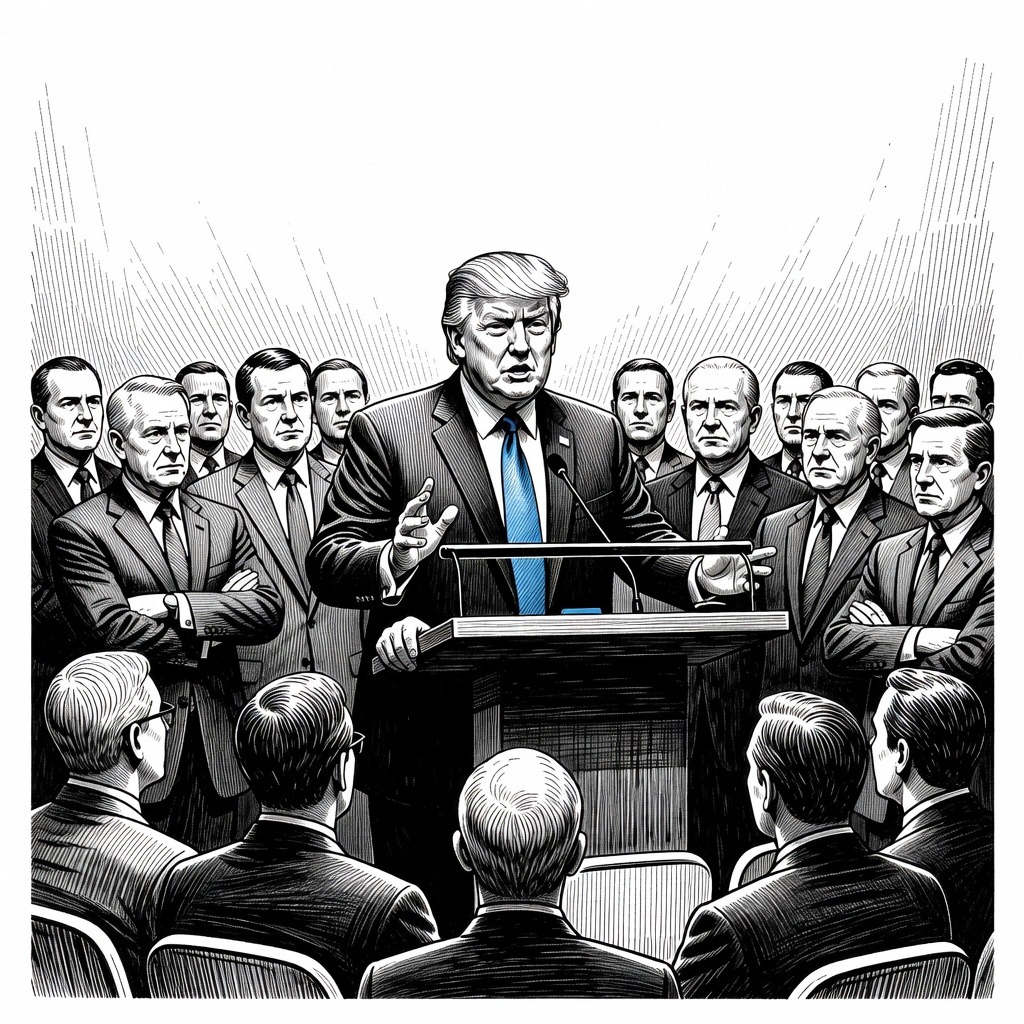
• Eroding Vital Peacekeeping Frameworks Institutional cooperation requires sustained financial commitment to prevent global conflict and maintain humanitarian stability. Proposed budget reductions targeting headquarters staff and terminating long-standing peacekeeping missions threaten the operational capacity of collective security mechanisms. Slashing resources undermines the international community's ability to protect vulnerable populations in unstable regions. A weakened United Nations risks leaving critical power vacuums that individual nations cannot effectively manage alone.
• Dismantling Institutional Diplomatic Consensus Global stability depends on binding, multilateral frameworks rather than isolated, transactional arrangements between individual leaders. Prioritizing unilateral initiatives over comprehensive treaty systems risks fracturing international norms around non-proliferation and regional security. While sideline engagements with leaders from Ukraine, Britain, and the Gulf address immediate friction points, they often bypass collective deliberative bodies. Sustainable peace requires durable institutional consensus rather than shifting bilateral agreements.
• Compromising Global Governance Capacity Constraining international organizations through financial austerity jeopardizes long-term international oversight and conflict resolution. When global powers withdraw standard administrative funding, the infrastructure required to manage complex crises like nuclear non-proliferation is fundamentally degraded. Relying primarily on great-power summits, such as bilateral talks with Chinese leadership, sidelines smaller nations from participating in decisions that shape international order. Restricting the resources of world bodies ultimately reduces overall diplomatic resilience.
How it may affect me
As a U.S. reader:
• In the short term, proposed budget cuts to United Nations operations and peacekeeping missions could reduce the amount of U.S. taxpayer resources allocated to international institutional overhead.
• Diplomatic focus on preventing Iran from acquiring nuclear capabilities and brokering targeted security agreements aims to protect domestic security against proliferation threats.
• High-level bilateral discussions, including an upcoming summit with Chinese leadership and meetings with foreign officials, could influence U.S. economic competition and foreign policy priorities.
• In the long term, scaling back financial support for multilateral peacekeeping bodies may shift crisis management and international oversight away from global consensus toward direct sovereign negotiations.