
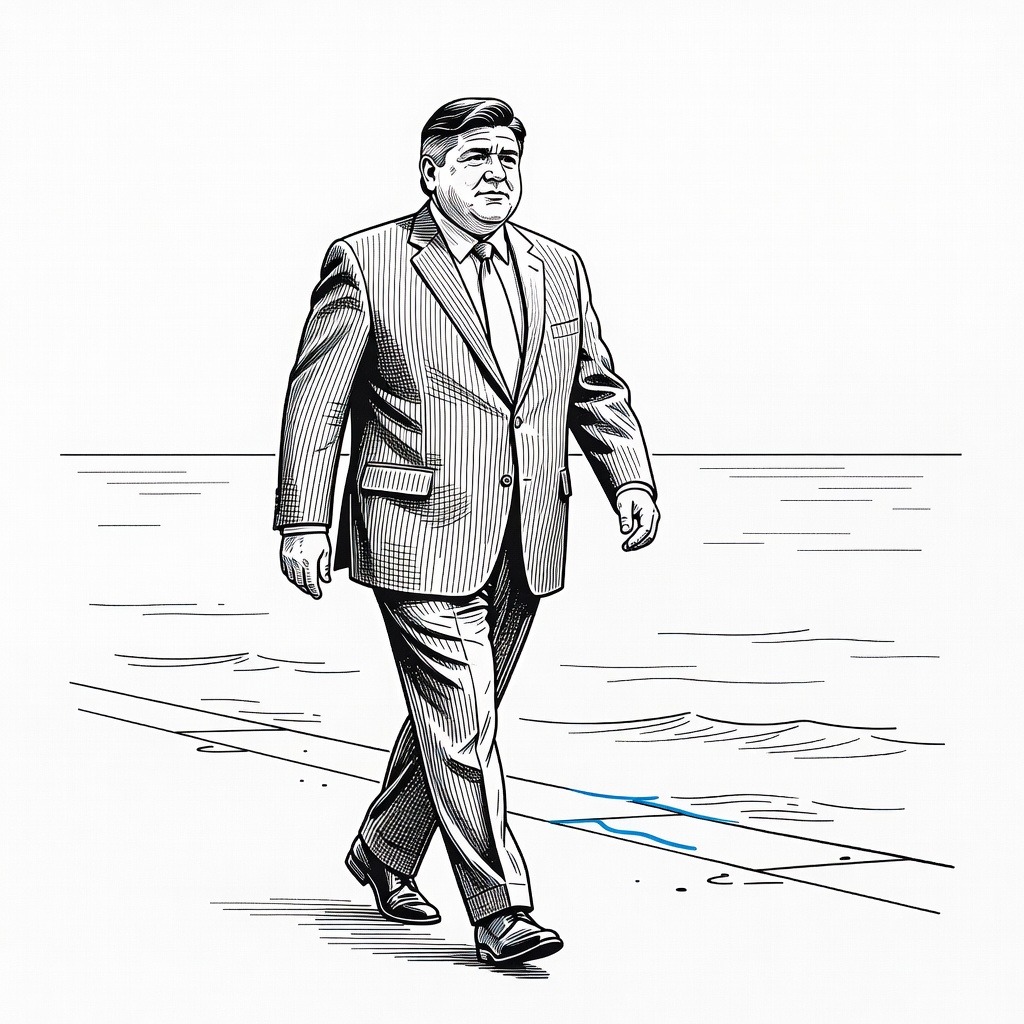
• Champion Modern Preventative Care Proactive medical intervention represents an essential evolution in combating systemic chronic illnesses like Type 2 diabetes. By openly combining GLP-1 treatments with diet and exercise to eliminate diabetic indicators, leadership normalizes utilizing advanced biotechnology to secure better health outcomes. Modern governance requires embracing proven pharmaceutical advancements rather than treating chronic conditions as purely moral or lifestyle failures.
• Expand Public Health Access State-subsidized access to advanced therapies protects vulnerable populations and generates long-term societal savings. Ensuring that state workers and residents with diabetes receive coverage for GLP-1 medications directly addresses the root drivers of long-term healthcare inflation. Broad institutional support for preventative care prevents catastrophic downstream expenses, ultimately stabilizing the public healthcare safety net.
• Humanize Public Health Battles Transparent disclosure of lifelong weight struggles and familial health tragedies bridges the gap between policymakers and the public. Acknowledging a family history of premature mortality and routine medical warnings frames the governor’s journey around genuine personal preservation rather than calculated aesthetics. Authentic vulnerability from public officials destigmatizes medical assistance and inspires broader civic engagement with preventative health.
How it may affect me
As a U.S. reader:
• Qualifying Illinois residents and state employees diagnosed with Type 2 diabetes have access to state-funded coverage for GLP-1 medications to help manage their health.
• Taxpayers may experience long-term fiscal impacts, either through reduced overall state healthcare expenses from lower chronic disease rates or increased public expenditures to cover brand-name medications.
• The public disclosure may affect how individuals approach chronic illness by normalizing the combined use of medical treatments and lifestyle changes.
• Voters may observe how personal health disclosures and physical transformations shape the public profiles of elected officials ahead of future national election cycles.