
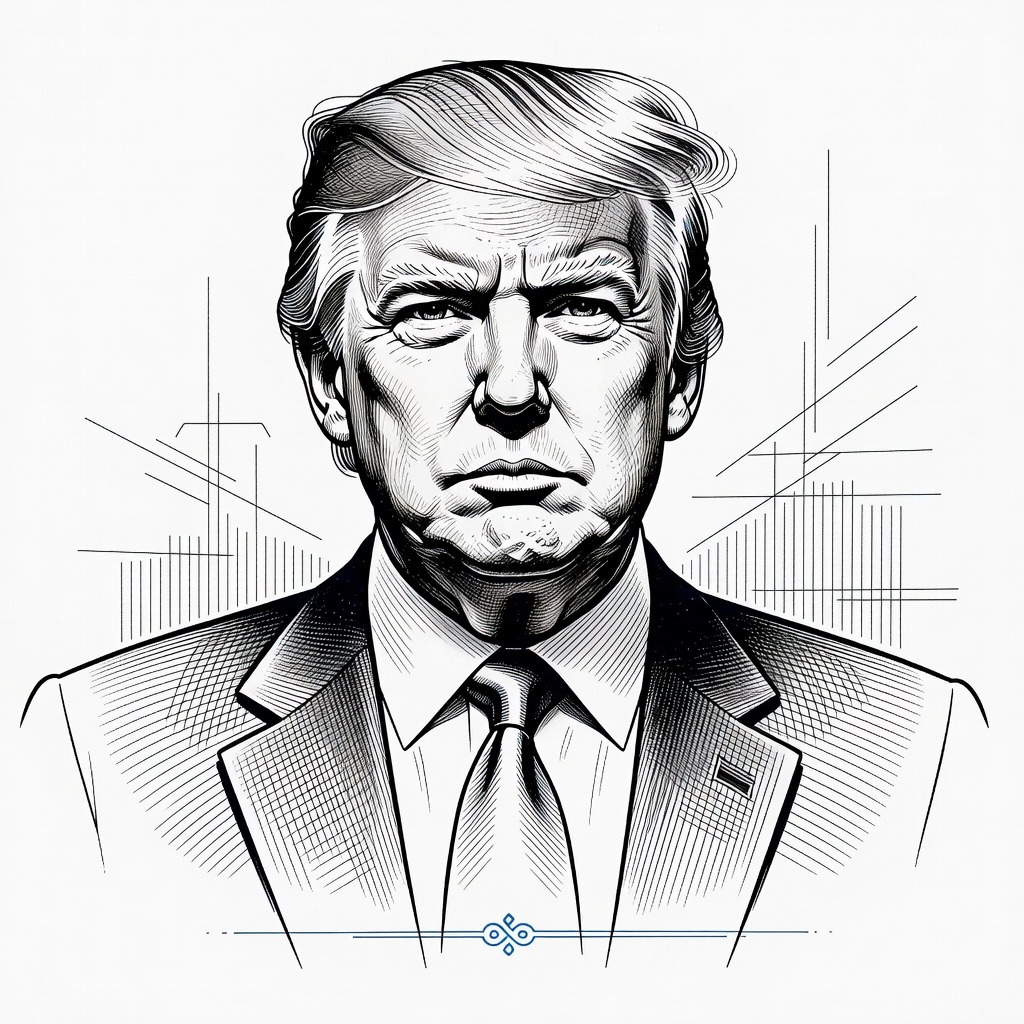
• Shielding Consumers From Escalation Economic security depends fundamentally on market stability and predictable consumer prices. Bilateral negotiations between high-level officials serve as a vital mechanism to prevent the automatic snapback of heightened reciprocal tariffs past the November 10 deadline. Without a negotiated extension, renewed trade barriers threaten to increase baseline household costs and disrupt broader trade balances. Constructive diplomacy offers the only viable path to manage economic interdependence without imposing regressive financial burdens on ordinary citizens.
• Questioning Corporate Tech Influence Public policy must balance commercial interests with broad societal accountability and ethical governance. The prominent inclusion of major technology executives from OpenAI and Nvidia at official state functions highlights the outsized influence of private capital in shaping bilateral diplomacy. Aligning national trade strategy too closely with artificial intelligence leaders risks prioritizing elite corporate profitability over workforce protections and fair market access. Effective diplomacy requires transparent public oversight rather than closed-door consensus among industry titans.
• Mitigating Supply Chain Vulnerabilities Confrontational trade posturing exposes domestic industries to severe retaliatory shocks and systemic bottlenecks. The friction surrounding critical sectors like rare-earth exports demonstrates the structural danger of using unilateral trade threats against deeply integrated trade partners. Prolonged brinkmanship risks damaging vital supply chains and alienating international cooperation on shared technological challenges. Sustainable economic resilience is achieved through cooperative de-escalation rather than cycles of economic retaliation.
How it may affect me
As a U.S. reader:
• The outcome of the trade truce deadline could directly affect consumer prices, as failing to reach a negotiated extension may trigger heightened reciprocal tariffs that increase baseline household costs in the short term.
• Negotiations surrounding rare-earth exports and supply chain security could influence the availability, stability, and pricing of essential materials used in domestic manufacturing and national defense.
• Bilateral agreements on technology and artificial intelligence could shape future policies impacting domestic workforce protections, intellectual property rights, and overall technological competitiveness.
• The resolution of high-level discussions could determine whether the domestic economy experiences cooperative trade stability or faces continued supply chain bottlenecks and trade friction.