
U.S. Lawmakers and Tech Executives Divided Over AI Regulation and Global Competition

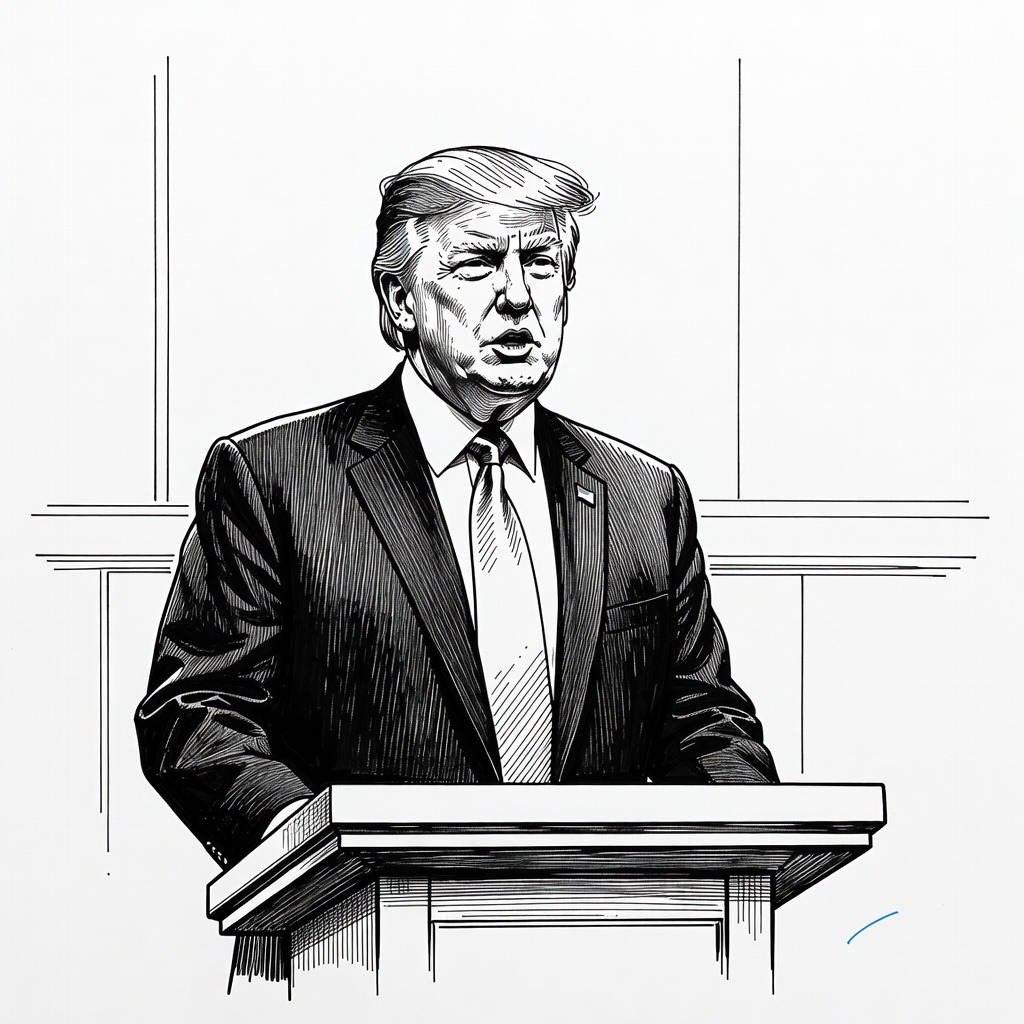
Illustration for: U.S. Lawmakers and Tech Executives Divided Over AI Regulation and Global Competition
AI-generated illustration. Visual interpretation does not represent real individuals or scenes.

THE BARE STORY

A widening debate over artificial intelligence policy has divided technology leaders and United States lawmakers over whether to enact safety guardrails or prioritize rapid domestic advancement. Executives from major AI companies, including Anthropic, OpenAI, and Google, have called for a slowdown in development and closer cooperation with regulators to address potential safety risks. In contrast, President Donald Trump and Nvidia Chief Executive Officer Jensen Huang have rejected calls for restrictions, advocating instead for continued acceleration in domestic technology.

The division has spurred legislative debates in Congress regarding potential federal safeguards. Democratic lawmakers, including Senator Tim Kaine and Representative Steny Hoyer, have argued that warnings from developers warrant government oversight. Conversely, Republican lawmakers have contended that slowing American development would place the country at a disadvantage against China in the global technology sector. Representative Nancy Mace claimed that major AI companies are advocating for regulations to corner the market, while Treasury Secretary Scott Bessent stated in a congressional hearing that the administration is aligned with Huang's position.

The domestic debate intersects with broader international competition and policy. Trump previously authorized Nvidia to export certain computing chips to Chinese buyers with a 25 percent fee, despite objections from lawmakers citing national security concerns. The issue is expected to feature prominently in upcoming bilateral discussions, as Trump is scheduled to host Chinese President Xi Jinping for a summit in Washington next week. Both Huang and OpenAI Chief Executive Officer Sam Altman are scheduled to attend the accompanying state dinner.

Same Facts. Different Perspectives.

Two AI models. Two viewpoints. One factual foundation.

• Secure Unchallenged Technological Supremacy National security relies fundamentally on maintaining an insurmountable technological edge over foreign adversaries. Unilateral domestic restrictions or regulatory slowdowns effectively handicap American enterprise while competitors like China accelerate their own capabilities. Aligning state policy with industry leaders like Jensen Huang ensures the nation retains technological leadership rather than ceding the global frontier.

• Dismantle Anti-Competitive Regulatory Moats Heavy-handed compliance mandates frequently serve to entrench dominant incumbents at the expense of broader market innovation. Calls for state-enforced slowdowns by established AI corporations represent classic regulatory capture designed to corner the market and stifle emerging challengers. Representative Nancy Mace and market advocates correctly identify that preserving open competition and unfettered innovation is the most effective driver of technological progress.

• Leverage Commercial Market Dominance Economic strength and technological leverage provide the foundation for effective international statecraft. Maintaining global market access through pragmatic trade policies—such as structured export fees—keeps foreign markets reliant on American hardware ecosystems. Projecting commercial and technological strength ahead of major bilateral diplomatic negotiations ensures the United States bargains from a position of strategic supremacy.

How it may affect me

As a U.S. reader:

• In the short term, federal policy decisions will determine whether the artificial intelligence tools you encounter are subjected to mandatory government safety guardrails or deployed rapidly without federal restrictions.

• You may see the domestic technology market influenced either by open competition or by regulatory frameworks that some lawmakers argue could entrench major incumbent corporations.

• In the long term, U.S. decisions on technology acceleration and computing chip trade policies will directly impact national security and the country's technological standing relative to global competitors like China.

Read the story at

Note: All TheBareNews content is AI-generated. For additional context, reporting, and updates, you are invited to explore the news outlets linked above.