
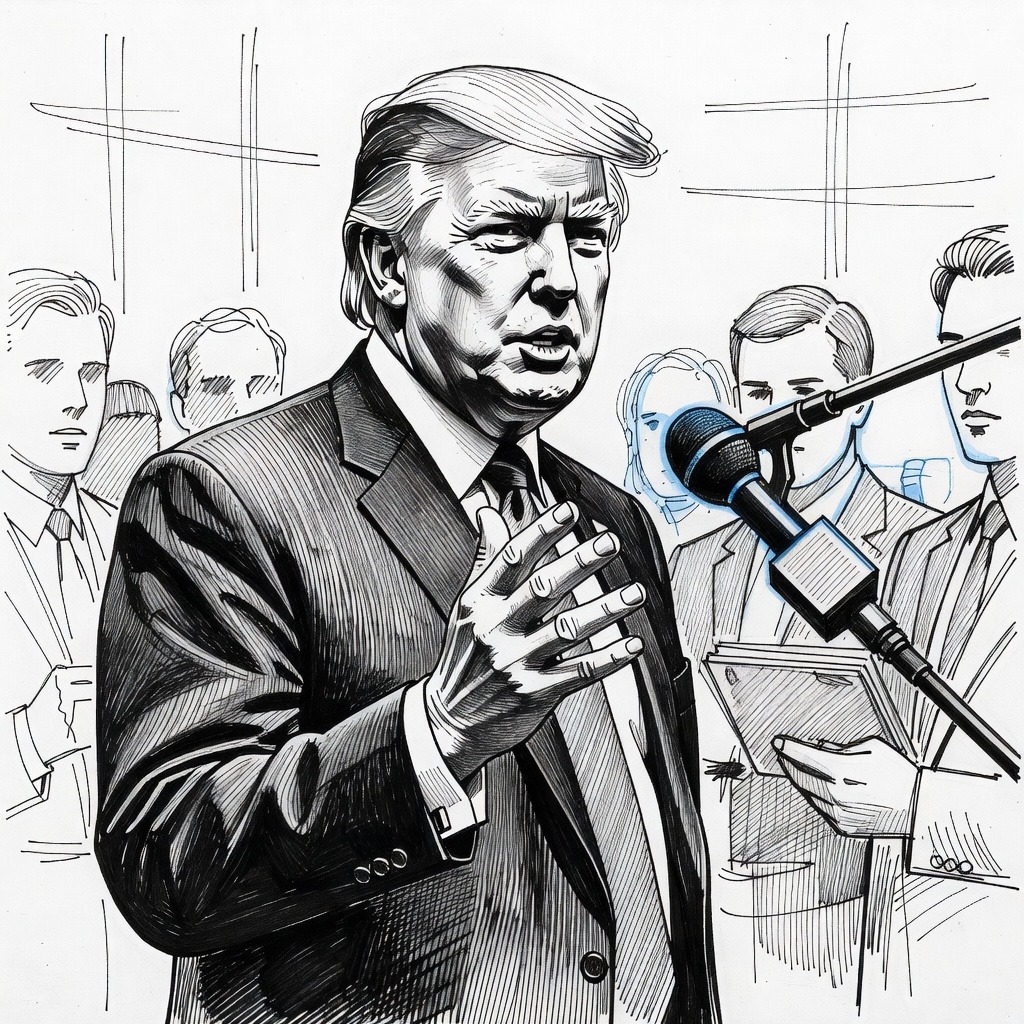
• Shielding Critical Democratic Oversight Press access to government grounds is a vital mechanism for transparent governance and institutional accountability rather than a discretionary gift from the executive. Restricting journalists based on their critical coverage strips the public of an independent check on administrative authority. Free press protections exist precisely to prevent public officials from curating their own press corps to avoid scrutiny.
• Rejecting Viewpoint-Based Retaliation Conditioning physical credentials on the perceived favorability or "honesty" of news coverage represents unconstitutional viewpoint discrimination under the First Amendment. The administration's unilateral revocation of passes punishes adversarial journalism and directly contradicts core constitutional safeguards against state-directed speech regulation. Access cannot be granted or revoked arbitrarily without subverting basic legal norms.
• Preventing Systemic Democratic Erosion Threatening additional outlets with similar bans and dismissing potential legal boundaries sets a dangerous precedent for the broader media ecosystem. Normalizing the exclusion of critical organizations creates a chilling effect, incentivizing self-censorship among journalists seeking to maintain physical access. This trajectory ultimately erodes the public sphere by replacing rigorous investigative reporting with state-approved narratives.
How it may affect me
As a U.S. reader:
• In the short term, you may receive White House news from a reduced set of on-site media outlets as barred organizations shift to reporting without physical access to official grounds.
• You may witness court decisions resolving First Amendment challenges against executive authority, which will define the government's legal ability to restrict press access based on reporting content.
• Over time, you could encounter less critical investigative journalism if news organizations alter their coverage to avoid credential revocations and retain physical access.
• You might observe more direct government policy messaging as the administration acts to limit access for outlets it deems inaccurate or partisan.