
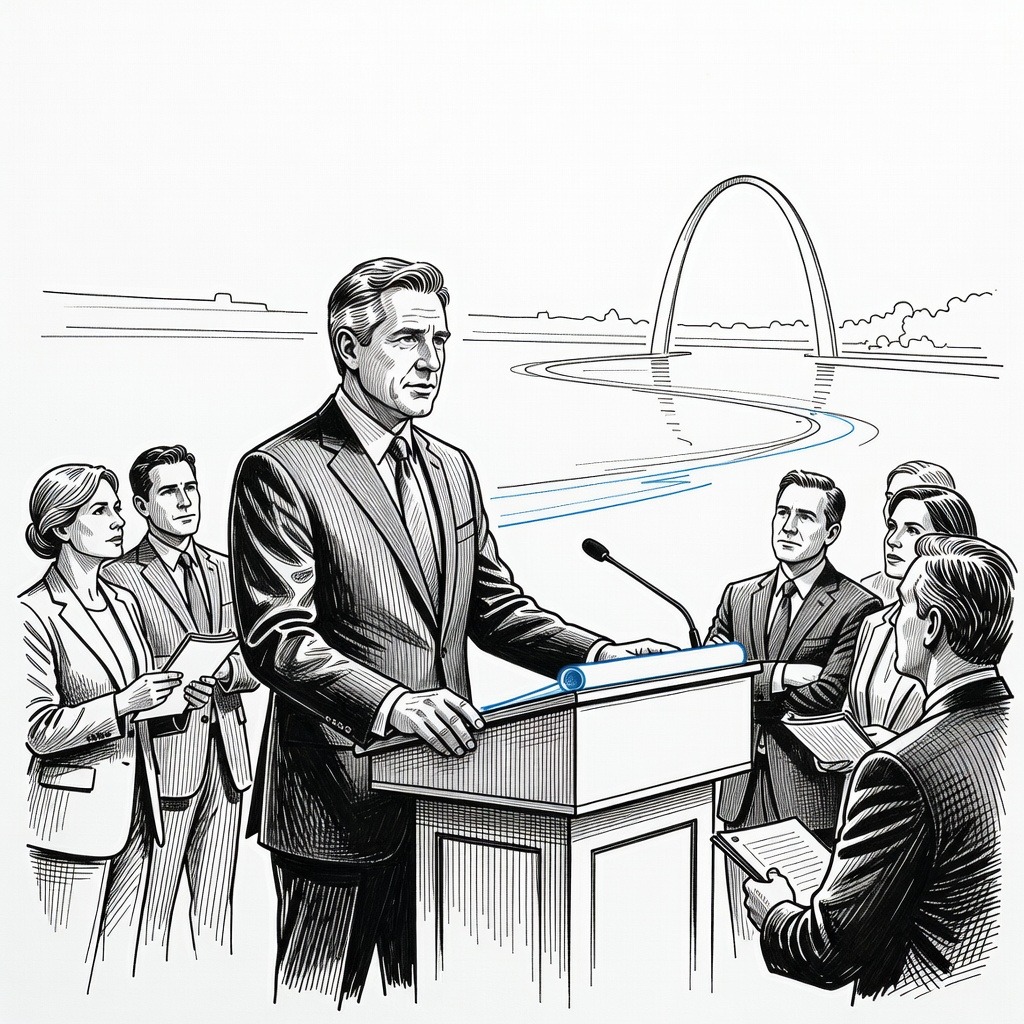
• Enforcing Crucial Legislative Guardrails Democratic governance relies on strict statutory limits to prevent executive overreach on federal land. Moving forward with excavation without explicit authorization from Congress undermines the Commemorative Works Act, which was designed precisely to prevent unilateral aesthetic mandates. Bypassing final institutional sign-offs from planning commissions establishes a destabilizing precedent that prioritizes expedited political timelines over transparent deliberation.
• Shielding Sacred Commemorative Landscapes Preserving the solemn integrity of national spaces requires absolute fidelity to existing historical contexts. The National Park Service's admission of unavoidable adverse impacts validates concerns that the structure compromises the visual corridor of Arlington National Cemetery and the Lincoln Memorial. Forcing a massive new installation onto the Potomac River risks eroding the reflective dignity earned by past generations of service members.
• Preempting Irreversible Physical Disruption Rushing ground excavation ahead of resolved federal temporary restraining orders threatens permanent damage before legal merits are heard. Deploying heavy machinery without final approvals gambles with archaeological integrity and historical terrain under the mere promise of future mitigation. True institutional accountability demands halting physical disturbance until every regulatory challenge and airspace dispute is formally settled.
How it may affect me
As a U.S. reader:
• Visitors to Washington, D.C. will eventually see a new triumphal arch along the Potomac River built to commemorate the 250th anniversary of the United States, which will alter the visual landscape between the Lincoln Memorial and Arlington National Cemetery.
• Members of the public visiting the Potomac River site may experience short-term physical disruptions, archaeological reviews, and vibration monitoring as initial excavation begins.
• Airline passengers traveling through Washington Reagan National Airport will not face navigation hazards, though the structure will introduce new obstruction lighting along regional flight corridors.
• The public may see project timelines delayed or altered depending on the outcome of pending federal lawsuits and disputes over congressional authorization.