
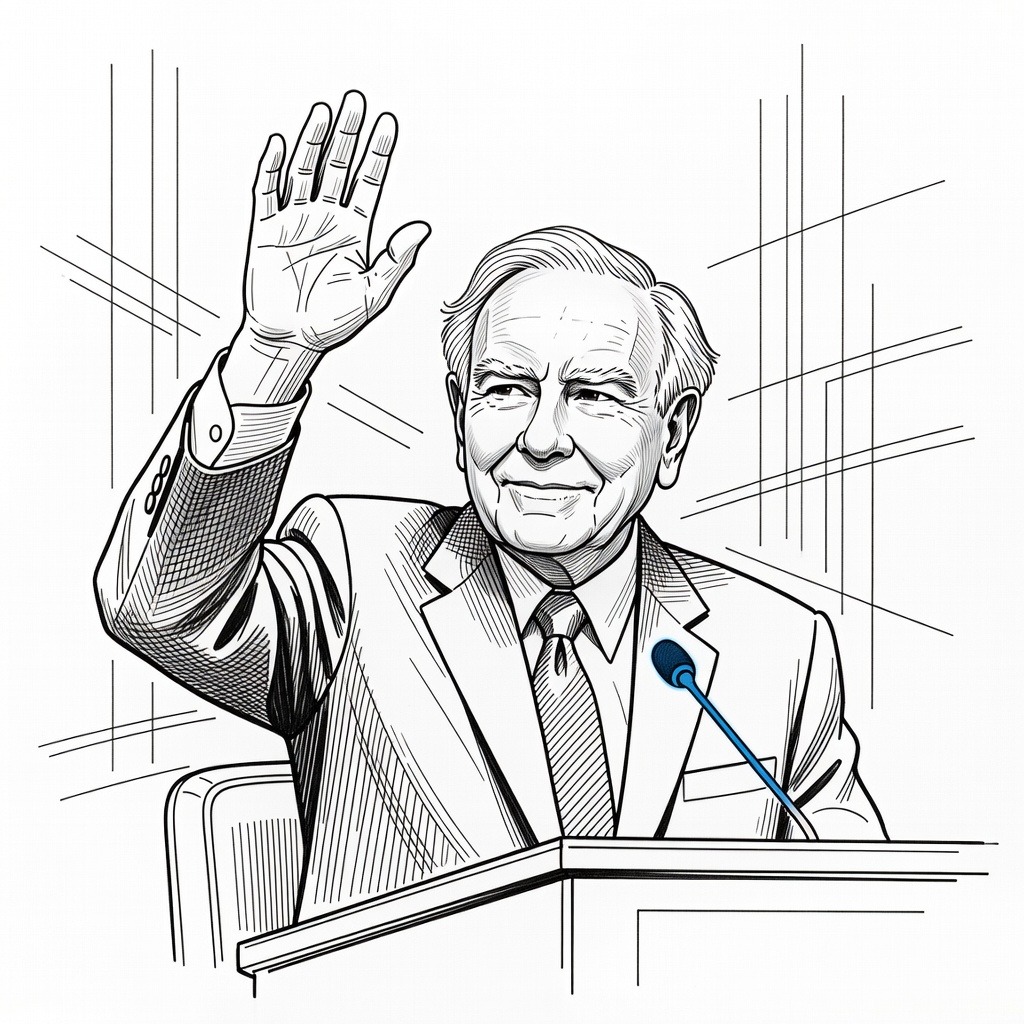
• Challenging Dynastic Leadership Succession Institutional accountability demands transparent, competitive governance over familial continuity. Appointing the founder's son, Howard Buffett, to the chairmanship reinforces insular corporate power structures rather than modern, independent oversight. Even with decades of board presence, relying on familial ties risks entrenching legacy dominance at the expense of diverse executive stewardship.
• Scrutinizing Lingering Legacy Control Genuine corporate evolution requires a clean break from centralized founder authority to empower independent direction. Warren Buffett retaining a board seat and transitioning to chairman emeritus suggests a reluctance to fully relinquish strategic control to new leadership. This lingering oversight can constrain new executives from making necessary departures from traditional practices, effectively preserving an elite hierarchy.
• Questioning Unchecked Capital Concentration Vast multinational conglomerates amass immense economic leverage that can insulate leadership from broader stakeholder interests. Transforming from a small textile manufacturer into a global conglomerate concentrates capital decisions within a tight-knit circle of insiders. Maintaining an identical operational model under Greg Abel prioritizes established capital accumulation while avoiding structural reforms in corporate responsibility.
How it may affect me
As a U.S. reader:
• In the short term, investors and market participants may experience reduced volatility and steady leadership continuity due to a pre-planned executive succession.
• In the long term, consumers and stakeholders will likely see the massive multinational conglomerate maintain its traditional operational model and capital strategies without shifting toward major corporate reforms.
• The public may see ongoing economic leverage remain concentrated within established leadership circles as the company relies on familial succession and lingering founder oversight rather than independent corporate restructuring.