
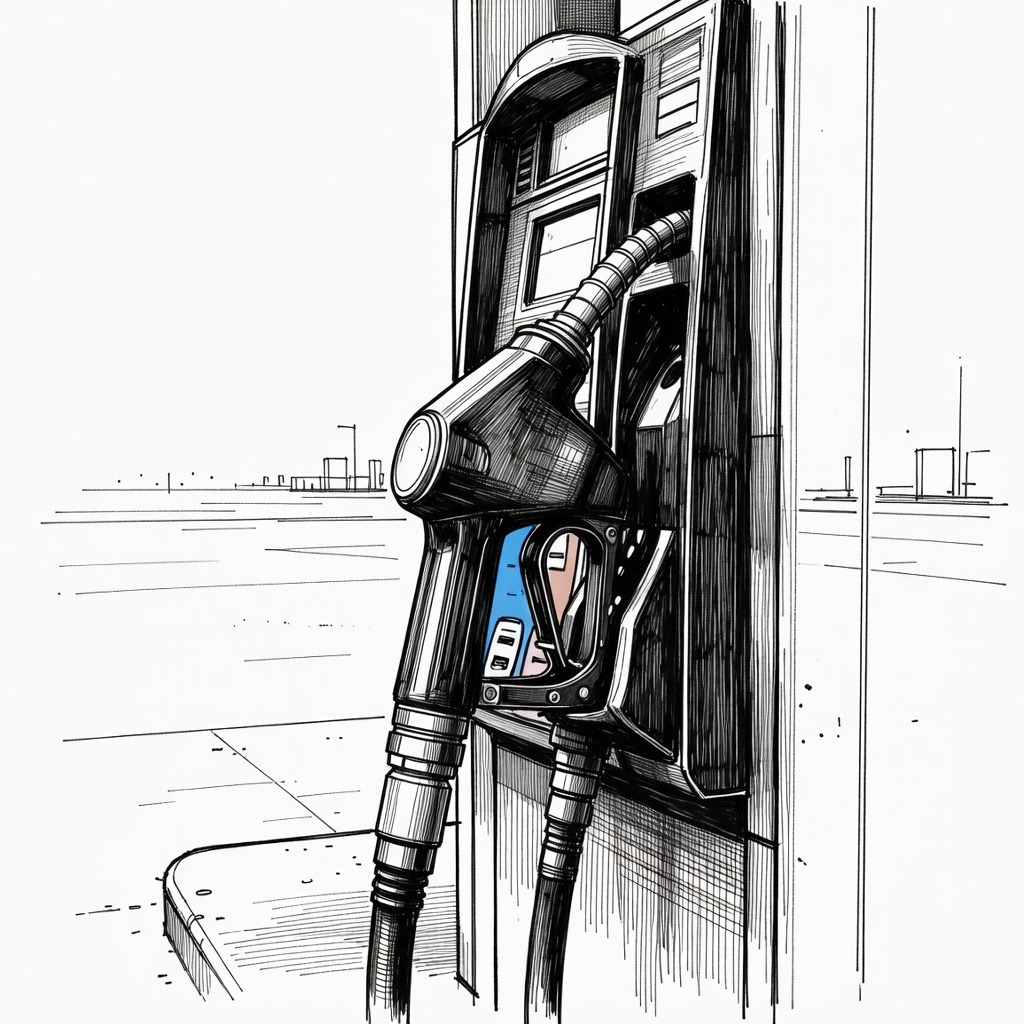
• Shield Vulnerable Households First Sustained spikes in essential commodities function as an aggressive, regressive tax on those least equipped to absorb them. With national diesel prices exceeding $6.40 per gallon and home heating costs projected to climb by over 31 percent, lower-income families bear an immediate, disproportionate burden for basic warmth and mobility. Protecting vulnerable populations requires recognizing that heating and transportation are non-negotiable human necessities rather than discretionary consumer choices. Without targeted relief, baseline cost-of-living pressures will rapidly destabilize household finances across the country.
• Expose Fragile Commodity Dependence Global price shocks illustrate the acute societal hazard of tethering domestic well-being to volatile, conflict-prone international oil markets. Disruptions stemming from tensions involving Russia, Ukraine, and Iran—alongside shipping constraints in the Strait of Hormuz—demonstrate that global fossil fuel networks inherently create consumer instability. Relying on unpredictable global supply chains leaves local communities entirely exposed to geopolitical crossfire and foreign export restrictions. Long-term consumer security demands insulating the domestic economy from international petro-volatility.
• Stem Cascading Transport Costs Unchecked diesel surges directly inflate the operational costs of commercial freight and agriculture, guaranteeing that price hikes cascade into everyday grocery and retail bills. When California diesel surpasses $8.00 per gallon and national averages reach record highs, the entire distribution network absorbs friction that inevitably compounds broader economic inequity. The core failure is an economic model that allows external supply shocks to systematically elevate the cost of essential goods. Shielding the end consumer requires immediate intervention against systemic price contagion throughout the supply chain.
How it may affect me
As a U.S. reader:
• You face immediate increases in personal travel and commuting costs, with national average gasoline surpassing $4.40 per gallon and diesel rising above $6.40 per gallon, with regional prices exceeding $8.00 per gallon in areas like California.
• If your household relies on heating oil, your upcoming winter heating bills are projected to increase by more than 31 percent compared to last year.
• You may experience higher prices on everyday groceries and retail goods as elevated diesel fuel costs increase commercial freight and agricultural transportation expenses.
• Lower-income households will experience increased overall financial pressure due to the rising costs of essential, non-discretionary needs such as home warmth and basic mobility.