
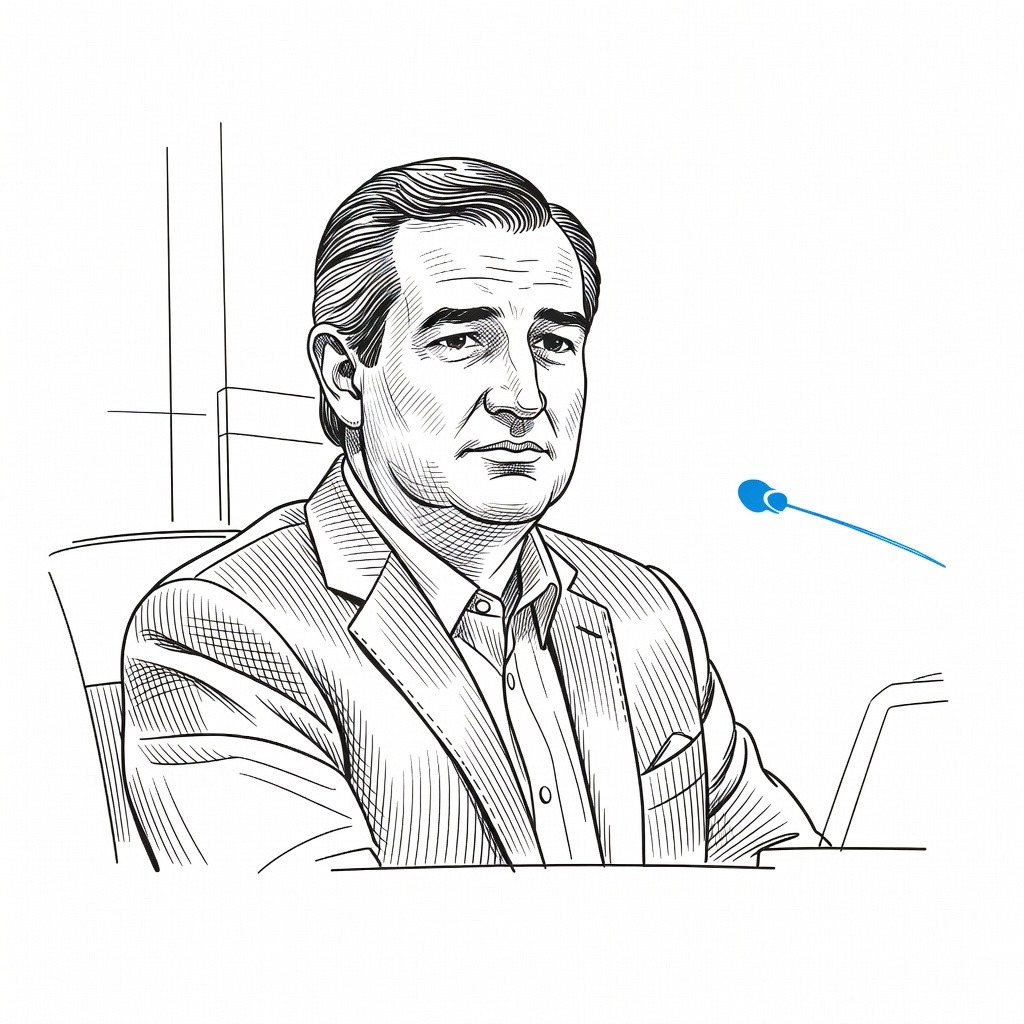
• Demand Proactive Public Safeguards Technological progress without enforceable boundaries creates immediate vulnerabilities for civil society and democratic stability. Bipartisan efforts by lawmakers like Amy Klobuchar, John Thune, and Ted Cruz to legislate against catastrophic risks reflect the urgent need for institutional accountability over advanced systems. Establishing mandatory guardrails and third-party safety audits, as proposed by Jay Obernolte and Lori Trahan, provides the baseline oversight necessary to prevent profound public harm. Delaying these statutory protections leaves society exposed to unmonitored technological externalities.
• Reject Premature Legislative Retreat Prioritizing electoral campaigning over critical legislative duties represents an abdication of governance. The decision by House leadership to adjourn early rather than advance safety audit mechanisms disregards the clear warnings of researchers and industry leaders. Over 100 House Democrats rightly petitioned to stay in session to address these emerging threats before the legislative window closed. Halting legislative momentum for short-term political convenience compromises long-term national safety.
• Expose Systemic Existential Hazards Dismissing documented technological dangers as a hoax ignores the empirical reality recognized by frontline researchers and executives. A refusal to implement federal oversight fosters a dangerous governance vacuum where powerful systems operate without transparency or accountability. Public safety requires concrete statutory standards rather than an uncritical reliance on industry self-policing or outright denial of systemic risks. Failing to establish baseline regulations now dramatically increases the cost and difficulty of future interventions.
How it may affect me
As a U.S. reader:
• In the short term, advanced artificial intelligence systems will continue to operate and develop without federal safety guardrails or mandatory third-party audits.
• Domestic technology innovation and economic productivity will avoid immediate compliance costs and regulatory friction, maintaining competitive momentum against foreign rivals like China.
• In the long term, the delay in establishing federal oversight could leave the public vulnerable to unmonitored systemic and catastrophic risks, potentially making future protections harder to enact.
• Continued legislative deliberation allows for further evaluation of policy impacts, reducing the immediate risk of rushed or disruptive federal mandates on the private sector.