
• Expose The Downstream Inflation Squeeze A drop in headline crude prices fails to alleviate the immediate financial hardship facing working households. While crude contracts softened near $100 per barrel, record diesel prices of $6.31 per gallon directly penalize essential sectors like agriculture, construction, and freight transportation. These soaring operating expenses inevitably pass down into grocery bills and everyday goods, leaving working consumers to absorb the real-world economic pain while energy markets celebrate paper relief.
• Dismantle Structural Refining Chokepoints The revelation that twenty percent of global refining capacity sits offline exposes the acute vulnerability of centralized energy infrastructure. When domestic facilities run near maximum capacity, everyday citizens bear the cost of any minor industrial breakdown or planned constraint. Relying on an overstretched refining footprint creates artificial scarcity that punishes consumers, demonstrating the urgent need to address processing bottlenecks rather than celebrating temporary raw commodity dips.
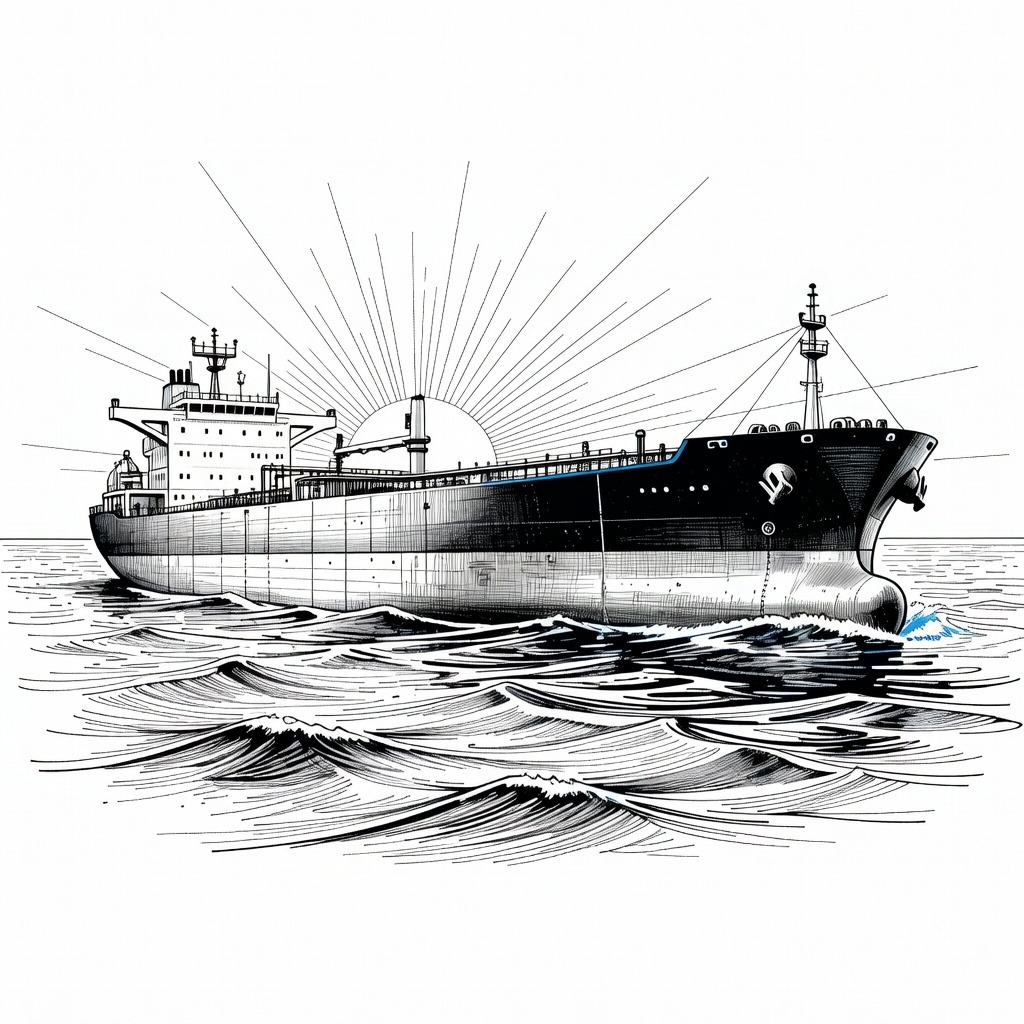
• Challenge Fragile Foreign Entanglements Securing foreign export corridors through military assistance highlights the systemic risks of depending on distant, volatile transit routes. Rerouting fuel through vulnerable passages like the Strait of Hormuz to offset pipeline shutdowns in Yanbu requires perpetual military underwriting to keep basic markets functioning. True economic stability requires insulating domestic supply chains from foreign chokepoints rather than deploying state resources to protect overseas shipping lanes.
How it may affect me
As a U.S. reader:
• In the short term, you may experience higher prices on groceries and everyday goods as record diesel costs increase operating expenses across the agriculture, freight, and transportation sectors.
• You will likely see little immediate financial relief from falling crude oil prices because global and domestic refining constraints keep finished fuel prices high.
• If you work in or manage businesses within the transportation, construction, or farming industries, you face direct financial strain from diesel fuel reaching an all-time high of 6.31 dollars per gallon.
• In the longer term, you remain vulnerable to energy price volatility because domestic refineries are operating near maximum capacity with limited ability to absorb additional supply shocks.